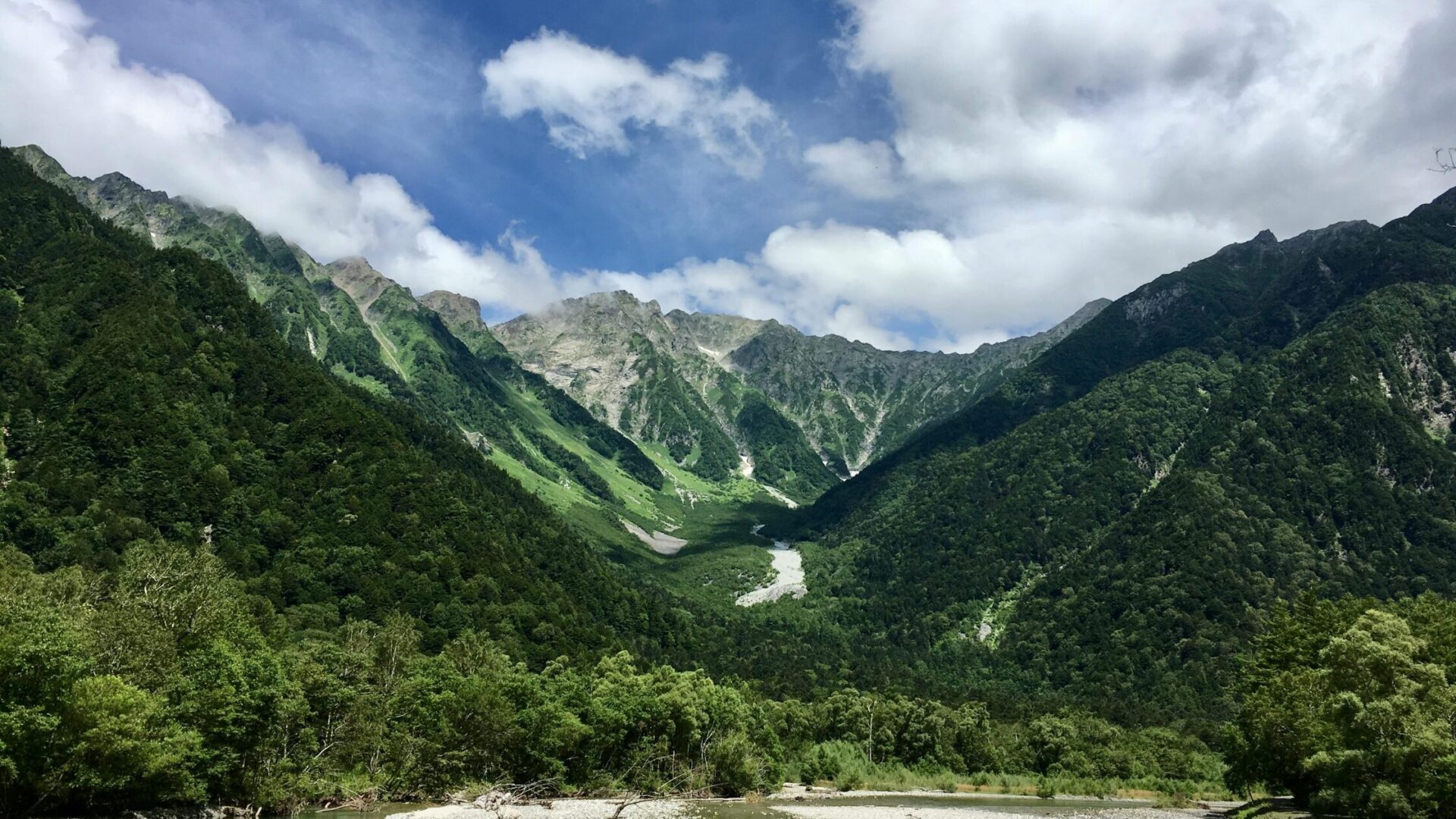

“I want to stay somewhere sustainable.” In Nagano Prefecture, one of Japan’s great mountain destinations, that sentence carries more weight than it might elsewhere. Many of the region’s most famous hotels, from Kamikochi to Shiga Kogen, sit inside national parks where construction and wastewater are already tightly regulated by law.
But being located inside a national park and actually doing something about sustainability are two different things. Plenty of properties in Japan use the words “eco” or “sustainable” in their marketing. Far fewer make it easy to verify what that actually means.
For this guide, we checked each hotel’s own official website, one by one, looking for verifiable certifications, concrete environmental measures, and real ties to the local community. This isn’t a ranking of “the best” hotel. It’s a resource for travelers who want to understand what a given property is actually doing, so you can decide what matters to you on this trip.
Our Selection Criteria
We used five criteria to narrow this list down. What matters here is whether we could verify a claim through official channels, not whether a hotel we didn’t include is doing nothing at all. Many are; we simply couldn’t confirm it in the time we had.
- Third-party certification or public standards. Does the hotel hold a certification tied to an external body, such as Sakura Quality An ESG Practice (based on GSTC-approved standards), the international Green Key ecolabel, or designation under a national program like a Zero Carbon Park?
- Transparency. Are the hotel’s energy, water, and waste practices described concretely on its own website, rather than gestured at in general terms?
- Concrete environmental performance. Are renewable energy use, water conservation, waste reduction, and plastic reduction backed by specifics, not just slogans?
- Contribution to the local community and culture. Is there verifiable evidence of local employment, partnerships with regional businesses, or efforts to preserve traditional culture and landscapes?
- Location within a national park or biosphere reserve. For hotels in places like Joshin’etsu-kogen National Park or Chubu-Sanchi National Park, how does the property operate within that legal framework?
All information below reflects what we could confirm on each hotel’s official website as of July 2026. For hotels that belong to international chains, we’ve tried to separate group-wide policies from initiatives specific to that one property, since the distinction matters more than it might seem.
The Hotels
1. Kamikochi Imperial Hotel


Location | Kamikochi, Matsumoto City, inside Chubu-Sanchi National Park
About the property
Opened in 1933, this alpine lodge is known for its red roof and log-cabin exterior, an unusual sight in Japan. It closes entirely over the winter and only operates during the mountain’s open season, roughly late April through mid-November.
Sustainability, according to the hotel itself
The hotel’s sustainability page describes the top rating, “5 Gyoiko Zakura,” under Sakura Quality An ESG Practice, a Japanese hospitality certification program. Since 2022, the hotel says it has run on effectively zero net CO2 by sourcing Shinshu Green Denki (a carbon-neutral electricity option) and offsetting the carbon from the kerosene and gas it still uses. Amenities have been switched to bamboo and wood, cutting plastic use by roughly 90 percent according to the hotel.
In the lobby, there’s a water station fed by a siphon system, using no electricity at all, drawing on natural spring water from Mount Roppyaku. Combined with a switch to paper containers, the hotel says this has helped it aim for a reduction of more than 5,000 plastic bottles a year. Food waste is fully composted on-site, and some of that compost goes back into growing vegetables served in the restaurant.
The hotel’s long-term preservation of its original red roof earned it a BELCA Award (Long Life category) in 2002. It also holds Japan’s Eco Mark and Forbes Travel Guide’s Verified Responsible Hospitality designation.


Who this is for
Travelers who want to see decarbonization and plastic reduction backed by concrete, sometimes low-tech solutions, like a water station that runs on gravity instead of electricity. Anyone who values long-term preservation of historic architecture.
Worth knowing before you book
The hotel closes for winter, so this isn’t a year-round option. Kamikochi itself restricts private vehicles, so plan your transportation in advance.
Book
Ikkyu
 JTB
Yahoo!Travel
Expedia
Rurubu Travel
JTB
Yahoo!Travel
Expedia
Rurubu Travel
2. Tobira Onsen Myojinkan


Location | Iriyamabe, Matsumoto City, inside Yatsugatake-Chushin-kogen Quasi-National Park
About the property
A hot spring ryokan and member of Relais & Chateaux. In 2009, it became the first hotel in Japan to earn Green Key, the international ecolabel, and has kept renewing the certification since.
Sustainability, according to the hotel itself
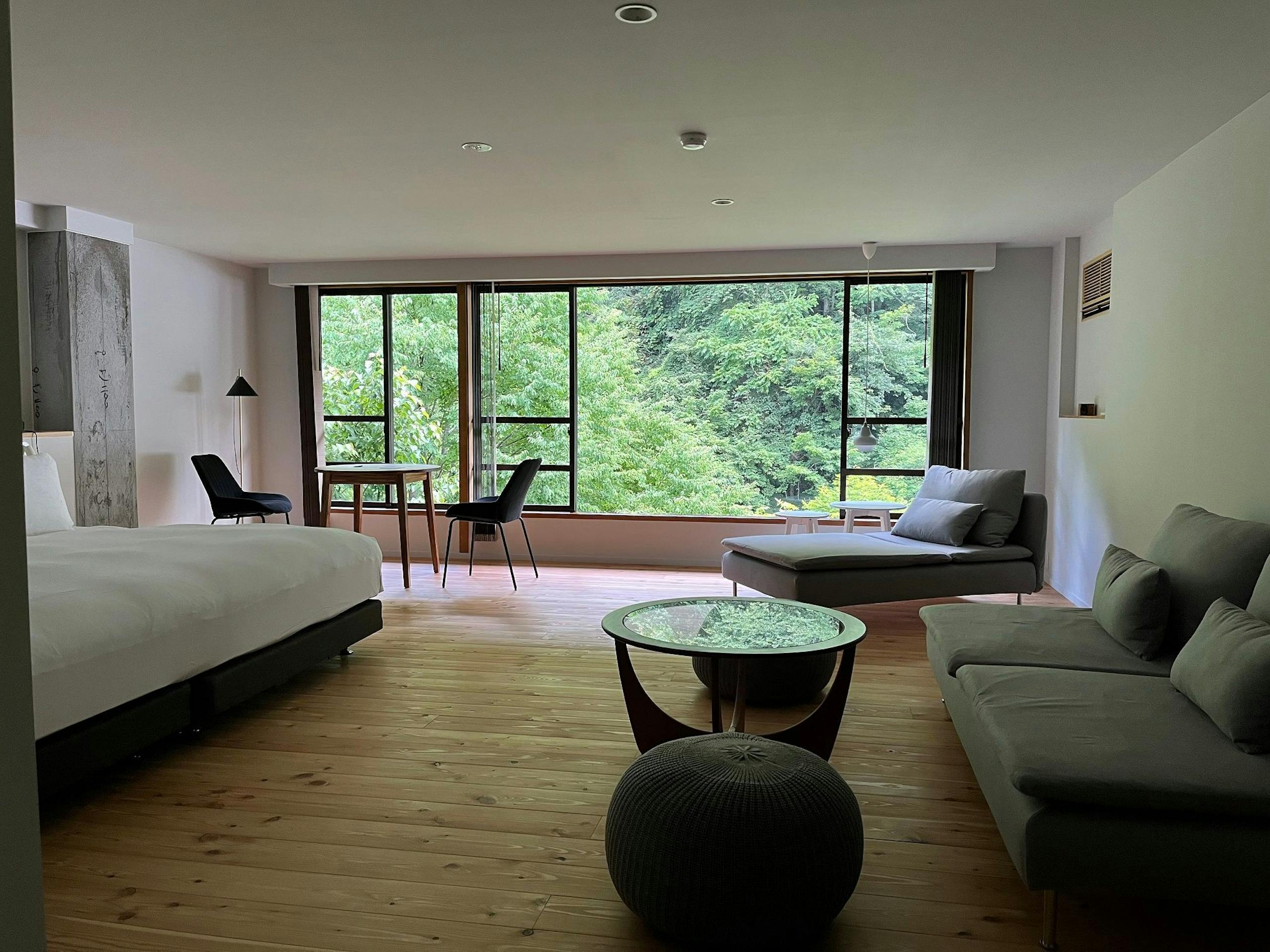
The hotel runs its own farm, Tobira Farm, growing pesticide-free vegetables and rice that show up in the restaurant. Guest rooms use natural diatomaceous earth walls, solid wood flooring, and organic linens. Food scraps and used coffee grounds are composted, gray water is recycled to help cool the building, and river water is used for outdoor watering, all pointing to a fairly deliberate approach to resource cycles.
The hotel is also registered under Nagano Prefecture’s SDGs Promotion Company system.

Who this is for
Travelers who care about being the first in Japan to earn a specific international certification. Anyone drawn to farm-to-table dining and thoughtfully chosen materials.
Worth knowing before you book
We couldn’t find specifics on what powers the hotel’s heating and hot water systems. Some travel blogs mention a partnership with a supported-employment program or a specific cultural-property designation for one of the historic buildings on site; we couldn’t verify either claim on the hotel’s own pages, so we’ve left them out.
Book
Ikkyu JTB
Yahoo!Travel
Rakuten Travel
Expedia
Rurubu Travel
Jalan
JTB
Yahoo!Travel
Rakuten Travel
Expedia
Rurubu Travel
Jalan
3. Hoshinoya Karuizawa
Location | Karuizawa, Kita-Saku District, next to the Karuizawa Wild Bird Forest
About the property
Run by Hoshino Resorts, this luxury property is designed to feel like a small village along a valley.
Sustainability, according to the hotel itself
Under a concept called “Energy In My Yard,” the resort runs a hydroelectric generator installed in 1929, along with a geothermal and hot-spring-heat-pump system. The hotel’s own site describes its energy self-sufficiency rate as “roughly 70 percent.” Guest room roofs use a natural ventilation structure called “furo,” designed to reduce reliance on air conditioning.
The resort also composts food waste, restricts landscaping to native plant species, and offers guests spring water sourced from the foothills of Mount Asama as part of an effort to cut down on single-use plastic.
Who this is for
Travelers interested in architectural approaches to renewable energy. Anyone choosing a resort specifically because of its energy self-sufficiency.
Worth knowing before you book
You may come across articles online citing figures like “70 percent reduction in CO2 emissions” or “payback period of 1 year and 8 months,” along with mentions of specific awards. We couldn’t find any of this on the hotel’s official pages, so we’ve left it out of this guide. If those numbers matter to you, it’s worth checking directly with the hotel.
Book
JTB
Expedia
Rurubu Travel
4. Karuizawa Marriott Hotel

Location | Nagakura, Karuizawa
About the property
Operated by Mori Trust Hotels & Resorts as part of the Marriott International portfolio. Guests have access to two different hot springs on site, Shiozawa Onsen and Shin-Karuizawa Onsen.
Sustainability, according to the hotel itself
Mori Trust Hotels & Resorts’ official page confirms the property holds “4 Gyoiko Zakura” under Sakura Quality An ESG Practice, based on GSTC-approved standards. Amenities have been switched to wood and bamboo alternatives, guests are encouraged to bring their own toiletries, and some amenities have moved to a paid model specifically to cut down on plastic use.
On the community side, the hotel composts fallen leaves for reuse, hosts cooking classes for local producers, offers job-shadowing experiences for local middle schoolers, and co-hosts events with Hakko Valley Nagano, an organization promoting the region’s fermentation culture.


Who this is for
Travelers who want a GSTC-linked certification as part of their decision. Anyone interested in Shinshu’s fermentation culture or in hotels with active local education partnerships.
Worth knowing before you book
What we could confirm centers on certification and amenity policies, plus local partnership events. We didn’t find specific energy or water usage figures published.
Book
Ikkyu JTB
Yahoo!Travel
Rakuten Travel
Expedia
Rurubu Travel
Jalan
JTB
Yahoo!Travel
Rakuten Travel
Expedia
Rurubu Travel
Jalan
5. Courtyard by Marriott Hakuba


Location | Hokujo, Hakuba Village, Kita-Azumi District
About the property
Another Mori Trust Hotels & Resorts property, part of the Marriott portfolio, located in the Hakuba ski and mountain resort area.
Sustainability, according to the hotel itself
The hotel holds “4 Gyoiko Zakura” under Sakura Quality An ESG Practice. Its official group page also describes regular participation in cleanup efforts around the Himekawa Dam and the Misorano district, along with education and job-shadowing partnerships built around local specialties, such as the region’s “hozuki” (Chinese lantern plant), and cooperation with a local university’s education program. (These specific program details come from group-level announcements rather than the hotel’s own standalone page, so treat the finer points as directional rather than exact.)


Who this is for
Travelers looking for a hotel with tangible, specific ties to its local community, from cleanups to youth job-shadowing programs.
Worth knowing before you book
What’s verifiable here is mostly certification and community engagement. We didn’t find published figures for energy use or waste output.
Book
Ikkyu JTB
Yahoo!Travel
Rakuten Travel
Expedia
Rurubu Travel
Jalan
JTB
Yahoo!Travel
Rakuten Travel
Expedia
Rurubu Travel
Jalan
6. Kurobe Kanko Hotel

Location | Omachi Onsenkyo, Omachi City
About the property
Part of the BBH Hotel Group, this hotel sits in the Omachi hot spring area, with views of the Northern Japan Alps.
Sustainability, according to the hotel itself
The hotel has signed onto Fun to Share, the Ministry of the Environment’s campaign promoting a low-carbon society. It also supports Japan’s National Food Loss Reduction Movement and a Nagano-specific “reduce food waste” campaign, encouraging guests to finish their plates at breakfast. Beyond that, it composts all food waste, sorts and recycles glass, cans, and PET bottles, and is gradually switching over to LED lighting.
On the community side, the hotel sells cookies made by the nonprofit Yume no Mi, supporting employment for people with disabilities, donates used towels to the nonprofit Mitoro Create (which repurposes them into cleaning cloths), and is registered under Nagano’s “Shinshu Ai Support” initiative for disability inclusion. Staff also take part in the local youth business association and chamber of commerce as part of broader community efforts.

Who this is for
Travelers who want to see the social side of sustainability, not just environmental measures, backed by specific nonprofit partnerships.
Worth knowing before you book
You may see claims online about eliminating disposable toothbrushes from guest rooms or running biweekly neighborhood cleanups. We didn’t find either on the hotel’s official pages, so we’ve left them out here.
Book
Ikkyu JTB
Yahoo!Travel
Rakuten Travel
Expedia
Rurubu Travel
Jalan
JTB
Yahoo!Travel
Rakuten Travel
Expedia
Rurubu Travel
Jalan
7. Skyland Hotel

Location | Ichinose, Shiga Kogen, Yamanouchi Town, inside Joshin’etsu-kogen National Park
About the property
A mid-sized hotel with a capacity of around 120 guests, located in the Ichinose area of Shiga Kogen.
Sustainability, according to the hotel itself
The hotel’s official SDGs page describes compliance with national park building restrictions (limits on building height and exterior color) and vegetation protection rules, along with a wastewater treatment system that purifies discharge to less than one-tenth of the standard environmental threshold before release.
The hotel also uses water-saving showerheads and self-closing faucets, has switched to LED lighting, sources local ingredients to reduce food waste, has cut back on linen and amenity changes during multi-night stays, and uses a heat exchange system to reduce CO2 output. Guests who bring their own toothbrush help the hotel donate the equivalent cost, plus a hotel contribution, to a nonprofit organization, according to the site.

Who this is for
Travelers curious about how a hotel operates specific, layered environmental measures within a national park’s building and wastewater restrictions.
Worth knowing before you book
The hotel’s official site doesn’t name the specific nonprofit receiving donations, nor does it publish an annual donation total.
Book
Yahoo!Travel
Rakuten Travel
Rurubu Travel
8. Hakuba Tokyu Hotel

Location | Hokujo, Hakuba Village, Kita-Azumi District
About the property
Operated by the Tokyu Hotels Group, in the Hakuba resort area.
Sustainability, according to the hotel itself
The hotel runs a “Green Coin” program, where guests who skip amenities like disposable toothbrushes get credit toward a fund at checkout, alongside “Green Card” and “Earth Friendly Stay” options that reduce the frequency of housekeeping and linen changes on multi-night stays. This isn’t unique to the Hakuba property. It’s a chain-wide initiative run across more than 30 Tokyu-affiliated hotels nationwide, and the Hakuba property simply participates in it.
Funds raised go toward Oisca International’s “Children’s Forest Program” (reforestation abroad) and a reforestation project in Tabayama Village, Yamanashi Prefecture, called the “Tokyu Hotels Green Coin Forest.” According to the hotel’s site, fiscal year 2024 saw 37,918 units donated, bringing the cumulative total past 2.29 million, marking the 23rd donation cycle.

Who this is for
Travelers who like a participatory sustainability program, where skipping an amenity translates into a specific, traceable environmental contribution.
Worth knowing before you book
Keep in mind that the Green Coin and Green Card programs are a group-wide Tokyu Hotels initiative, not something unique to this property. We didn’t find hotel-specific energy or water data published.
Book
Ikkyu
JTB
Yahoo!Travel
Rakuten Travel
Expedia
Rurubu Travel
Jalan
9. Onsen no Yado Guesthouse Raicho
Location | Azumi, Matsumoto City, Norikura Kogen, inside Chubu-Sanchi National Park
About the property
A hot spring inn in the Norikura Kogen highlands, with an attached cafe called GiFT NORiKURA.
Sustainability, according to the hotel itself
Norikura Kogen was registered in March 2021 as Japan’s first Zero Carbon Park, a designation from the Ministry of the Environment, and the inn’s own website reflects this. To cut down on single-use plastic, the inn offers free bottle rentals encouraging guests to carry a reusable water bottle rather than buy PET bottles.
Who this is for
Travelers who want to stay somewhere connected to a broader, area-wide sustainability designation, not just a single hotel’s own efforts. Anyone planning a car-free stay centered on walking or cycling within the national park.
Worth knowing before you book
We couldn’t find specifics on the inn’s food waste composting rate, or on any formal partnership with Matsumoto City’s “Matsumoto Eco Travel Declaration” initiative, within the range of the official site we reviewed.
Book
Before You Book: A Few Things Worth Knowing
- Sakura Quality An ESG Practice is a certification based on GSTC-approved standards, but for details on the audit process or scoring, it’s worth checking both the hotel’s site and the certifying body’s own published materials, not just one or the other.
- For chain hotels, especially Marriott and Tokyu properties, it’s worth separating what the whole group does from what’s specific to that one hotel. Hakuba Tokyu Hotel is a clear example in this guide.
- Some sustainability credentials, like Zero Carbon Park status or Nagano’s SDGs Promotion Company registration, belong to an entire region or a broader corporate structure rather than to one hotel alone. It helps to keep in mind whether you’re looking at an individual property’s effort or a wider framework it happens to sit within.
- A few properties we looked into but didn’t include here were either temporarily closed or in the middle of changing how they operate. If you’re considering a specific hotel not on this list, it’s always worth double-checking current operating status directly with them.
Final Thoughts: What Are You Actually Looking For?
All nine hotels here have some verifiable sustainability effort behind them, according to their own official sites. But what that effort actually looks like varies quite a bit from one property to the next.
Kamikochi Imperial Hotel holds the top rating under a GSTC-linked certification. Tobira Onsen Myojinkan was the first in Japan to earn an international ecolabel. Hoshinoya Karuizawa leans into architecture and energy self-sufficiency, drawing on hydro and geothermal power generated on-site. Karuizawa Marriott Hotel and Courtyard by Marriott Hakuba, both Marriott-affiliated, emphasize education and cleanup partnerships with their local communities.
Skyland Hotel goes deep on wastewater treatment inside a heavily regulated national park. Kurobe Kanko Hotel has some of the clearest, most specific nonprofit employment partnerships in this list. Hakuba Tokyu Hotel runs a participatory program guests can actually take part in. And Onsen no Yado Guesthouse Raicho sits inside Japan’s first officially designated Zero Carbon Park, a distinction that belongs to the whole Norikura Kogen area, not just the inn itself.
What struck us most while researching this guide is how often Nagano’s hotels treat national park and biosphere reserve regulations not as an obstacle, but as a starting point for something more specific, whether that’s an electricity-free water station or a wastewater system built to exceed the legal minimum. Which of these approaches matters most to you probably says something about what you’re hoping to get out of this trip in the first place. We hope this guide gives you a useful starting point for figuring that out.
Information in this guide is based on each hotel’s official website as of July 2026. Details may change without notice. Please check each hotel’s official site for the most current information before booking.