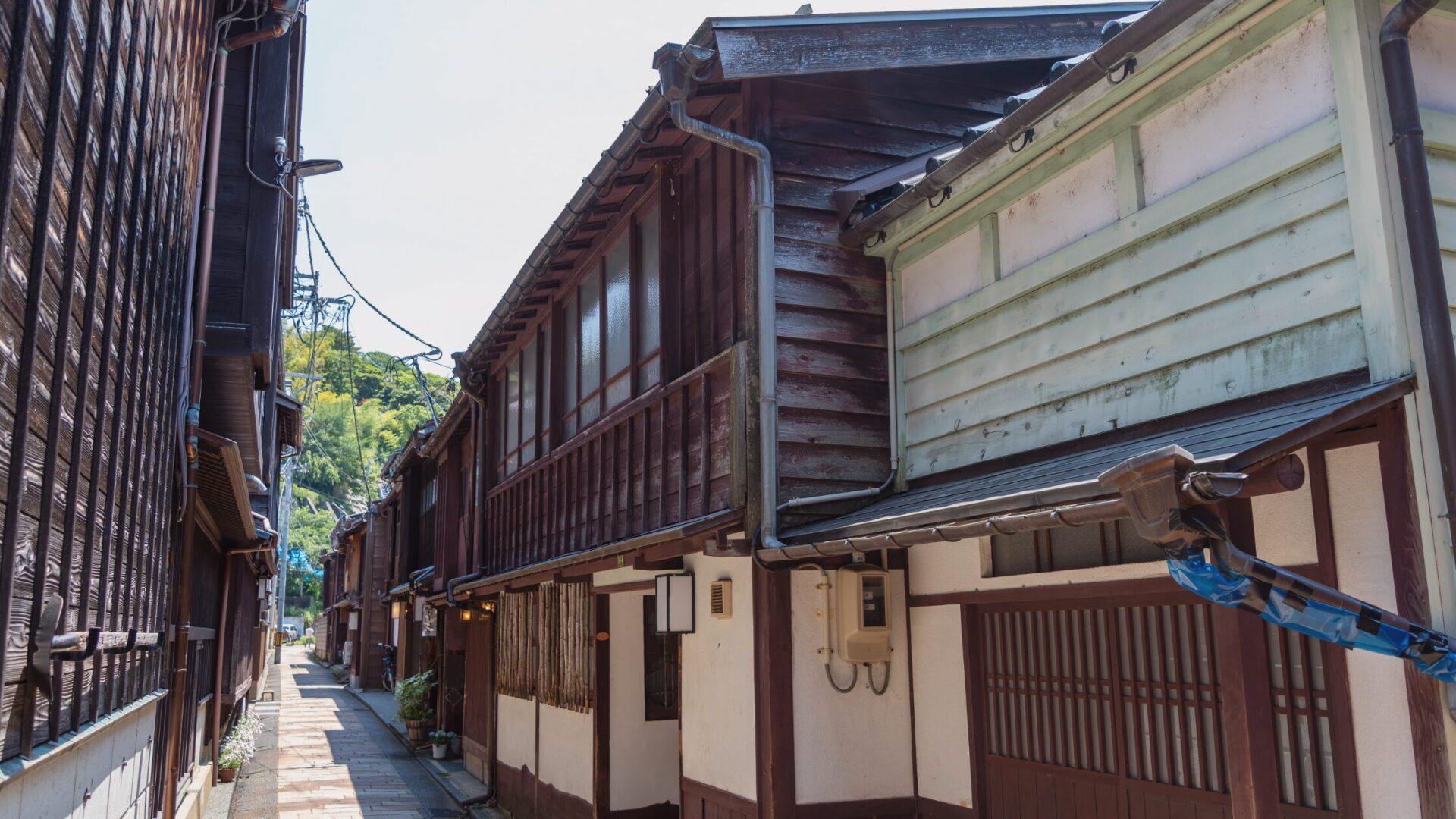

Kanazawa has a reputation as one of Japan’s most culturally intact cities. Traditional crafts like Kutani porcelain, Wajima lacquerware, and Kaga yuzen silk dyeing are still actively practiced here. The Higashi Chaya geisha district, Kenroku-en garden, and the samurai and merchant neighborhoods have survived without the wartime damage that reshaped so many other Japanese cities.
That history makes sustainability a meaningful question for visitors. What happens to a place like this when tourism grows? Which hotels are genuinely engaging with that question — and which are just using the word “sustainable” as a selling point?
This guide focuses on hotels in Kanazawa where sustainability claims can be traced to a third-party certification, a government recognition program, or verifiable policies on their official websites. The hotels listed here were selected using official hotel websites and public institutional sources as of May 2026; some property-level details could not be independently verified for every item, and those cases are noted inline.
We’re not ranking these as “best” or “worst.” The goal is to give you enough information to decide whether a hotel’s approach matches what you actually care about.
How We Selected These Hotels
We looked for hotels that met at least one of the following criteria — and prioritized those that met several:
- Third-party certification — International certifications such as B Corp or Sakura Quality An ESG Practice (a GSTC-approved standard), or recognition through Kanazawa City’s and Ishikawa Prefecture’s official sustainable tourism programs
- Transparency — When a hotel uses words like “sustainable” or “eco,” there should be a named certification, a measurable target, or a documented policy to back it up
- Environmental practices — Concrete actions on energy, water, waste, and plastic reduction, with some form of public reporting
- Local and cultural engagement — Local food sourcing, support for traditional crafts, and genuine ties to the Kanazawa community
Hotels not included here may still be doing meaningful work — we can only report what’s been publicly confirmed.
The Hotels
1. Hotel Nikko Kanazawa


Location | 3-minute walk from JR Kanazawa Station, Honmachi
Overview
This is a large city hotel connected to Kanazawa Station. In April 2024, it received the “4 Gyoiko Zakura” certification under Sakura Quality An ESG Practice — the second-highest tier in a five-level system built on GSTC-approved standards. According to the hotel’s own materials, it was the first property in Ishikawa Prefecture to receive this level of certification, though we were unable to independently verify that claim from a third-party source. GSTC (Global Sustainable Tourism Council) is the international body that sets benchmarks for sustainable tourism certifications worldwide.
What they’ve confirmed publicly
On the environmental side: the hotel introduced “Kagayaki GREEN,” a partially carbon-neutral electricity plan, in July 2024. About 90% of the hotel’s lighting has been converted to LED, and the complete LED conversion of the banquet hall significantly reduced power consumption for event lighting. Plastic in guest amenities has been reduced and tracked — in fiscal year 2022, per-guest amenity weight dropped from 19.4g to 13.4g. A pre-closing discount program is also in place to reduce food waste.
On the social side: chefs source ingredients directly from local producers. Staff are dispatched as guest lecturers to local schools, and the hotel accepts interns from the community. The hotel’s sustainability framework is organized around four pillars — “To the Earth,” “To the Community,” “Food Safety,” and “Good Work” — and progress is reported publicly on their SDGs page.


Good fit if you want to verify a hotel’s sustainability credentials through third-party certification and publicly disclosed numbers before booking.
Less ideal if large chain hotels don’t appeal to you, or if you’re primarily looking for a traditional machiya townhouse experience or small community-rooted accommodation.
Book
Ikkyu
 JTB
Expedia
Yahoo!Travel
Rakuten Travel
Rurubu Travel
Jalan
JTB
Expedia
Yahoo!Travel
Rakuten Travel
Rurubu Travel
Jalan
2. LINNAS Kanazawa
Location | Katamachi entertainment district, near Hokuriku Railway “Katamachi” bus stop
Overview
LINNAS Kanazawa is operated by Linnas Design Co., Ltd., which received B Corp certification in November 2025 with a score of 85.1 (the minimum threshold is 80). B Corp certification is awarded by B Lab, an international nonprofit, to companies that meet verified standards across environmental performance, worker conditions, community impact, and governance — and that legally commit to considering stakeholder interests in their corporate charter.
What they’ve confirmed publicly
Based on their B Corp certification press release: the company organizes “plogging” events (jogging combined with picking up litter), runs a KASA Recycling umbrella program, has reduced single-use plastic amenities, and has maintained an inclusive hiring policy that includes people with disabilities since 2023.
Restaurant KIBIYA’s local sourcing, an artist-in-residence program, and a shared kitchen for community use have been mentioned in connection with the property, but we were unable to access the hotel’s official website directly during our research. Please verify these details on their site before booking.
Good fit if you care about corporate accountability and want your accommodation choice to reflect values beyond environmental metrics alone.
Less ideal if you need comprehensive environmental data from the hotel itself — our research found limited publicly confirmed detail at the property level.
Book
Expedia
Rakuten Travel
3. Kanazawa Tokyu Hotel


Location | Korinbo district, near Hokuriku Railway “Korinbo” bus stop
Overview
A city hotel in Korinbo, Kanazawa’s main shopping and dining area. It participates in the Tokyu Hotels group sustainability framework alongside local partnerships specific to Kanazawa.
What they’ve confirmed publicly
The hotel participates in the “Green Coin” program run across all Tokyu Hotels properties. When guests decline amenities (toothbrush, razor, etc.) and return a token to the front desk, the equivalent value is contributed to a reforestation fund managed through the NGO OISCA. According to Tokyu Hotels group reporting, the program supports afforestation projects across the Asia-Pacific region and forest conservation in Tanbayama Village, Yamanashi Prefecture, with a group-wide cumulative total stated as 2,298,665 coin equivalents — though these figures come from group-level materials and could not be confirmed against the Kanazawa property page specifically.
The hotel’s website explicitly mentions sourcing Ishikawa Prefecture ingredients for its restaurant, and it is a registered member of the Kanazawa Eco Promoters Business Network.
Note: we could only confirm group-wide figures for the Green Coin program, not Kanazawa-specific totals. Check the hotel’s official site for property-level data.


Good fit if you’re looking for a centrally located hotel with a defined group-level sustainability structure and a commitment to local sourcing.
Less ideal if property-specific environmental KPIs matter to you — those weren’t publicly available through our research.
Book
Ikkyu
JTB
Expedia
Yahoo!Travel
Rakuten Travel
Rurubu Travel
Jalan
4. SOKI KANAZAWA

Location | Ote-machi, castle town district
Overview
The name SOKI (素の器, sono utsuwa) translates roughly as “plain vessel” or “simple container.” The hotel’s design philosophy runs on the idea that materials and objects should come from, and reflect, the place where they exist. Ishikawa Prefecture’s crafts and producers appear throughout — not as decoration, but as the actual stuff of the stay.
What they’ve confirmed publicly
Confirmed on the official website: cashless-only payment (reducing paper receipts).
The following details have been reported in connection with the property but could not be verified from a dedicated sustainability page on the hotel’s official website during our research — please check the official site directly for current policy: no bottled water in rooms (guests use a water server on the second floor), bamboo toothbrushes as the default amenity, a collaboration with EarthRing (an aroma distillery in Hakusan City, Ishikawa) for custom scents, and sourcing of amazake (sweet fermented rice drink) from Fukumitsuya, a long-standing local sake brewery.
In the guestrooms, materials include Yamanaka lacquerware bases, Kutani ware, and coasters made from diatomite inspired by the five traditional Kaga colors. The communal bath recreates the kakeyu custom from Kaga Onsen — a ritual of ladling hot spring water over oneself before entering the main bath.


Good fit if you’re interested in Ishikawa’s craft traditions and want those connections woven into daily experience rather than presented as optional add-ons.
Less ideal if you need environmental KPIs like energy consumption or waste reduction figures — those weren’t publicly available through our research.
Book
Ikkyu JTB
Expedia
Yahoo!Travel
Rakuten Travel
Rurubu Travel
Jalan
JTB
Expedia
Yahoo!Travel
Rakuten Travel
Rurubu Travel
Jalan
5. Guesthouse Pongyi
Location | Shimoshinmachi, near Higashi Chaya geisha district
Overview
Pongyi is a guesthouse in a 150-year-old former kimono fabric merchant’s townhouse (machiya). The storehouse (dozo) has been converted into a dormitory. In 2020, it became the first property certified under Kanazawa City’s Minpaku (Simple Lodging) Safety Certification Program — a city-administered recognition covering guest safety, foreign-language support, fire preparedness, and community ties.
The machiya building type is central to Kanazawa’s streetscape identity. Keeping one functional as accommodation — rather than demolishing or over-renovating it — supports both the city’s visual character and building longevity.
What they’ve confirmed publicly
The city certification — covering guest safety, foreign-language support, fire preparedness, and community ties — is confirmed through Kanazawa City’s official records.
On the guesthouse values side (not an environmental credential, but worth knowing): the guesthouse states a policy of donating a portion of each guest’s fee to humanitarian support activities in Asia, framed through the concept of “a circulation of kindness” (yasashisa no junkan). The founding philosophy, “your real work is yourself,” shapes how staff engage with guests and the neighborhood. Specific donation recipients and amounts are not listed on the current website.
Good fit if you want to sleep inside a genuine Kanazawa machiya and have your stay connect in some way to both local culture and international solidarity.
Less ideal if you need hotel-standard amenities and services, or are looking for detailed accountability on where donations go.
Book
Rakuten Travel
Rurubu Travel
6. Mitsui Garden Hotel Kanazawa

Location | Korinbo district, near Hokuriku Railway “Korinbo” bus stop
Overview
A Mitsui Fudosan Hotel Management property in Korinbo. Along with Kanazawa Sainoniwa Hotel below, this is one of two hotels in this guide that has been recognized across all eight indicators of the Kanazawa SDGs Tourism Promoter certification — a program run under the city’s IMAGINE KANAZAWA 2030 sustainable tourism strategy.
What they’ve confirmed publicly
Via the IMAGINE KANAZAWA 2030 official website: the hotel participates in TABETE, a food-sharing service that connects restaurants with consumers to reduce end-of-day food waste. Cracked or damaged tableware is repaired using kintsugi — the Japanese art of mending broken ceramics with gold lacquer — rather than discarded. Breakfast is served on Kutani ware. The hotel has conducted LGBTQ+ awareness training for staff.
Local rickshaw operators and chartered taxis are partnered for cultural experience offerings. A “kintsugi experience stay plan” is also available, allowing guests to practice the craft during their visit.

Good fit if you’re interested in hotels where local cultural practices (kintsugi, Kutani ware) are integrated into operations, not just displayed.
Less ideal if you want property-level environmental KPIs — those weren’t confirmed through our research on the hotel’s own site.
Book
Ikkyu JTB
Expedia
Yahoo!Travel
Rakuten Travel
Rurubu Travel
Jalan
JTB
Expedia
Yahoo!Travel
Rakuten Travel
Rurubu Travel
Jalan
7. KUMU Kanazawa by THE SHARE HOTELS

Location | Katamachi district, near Hokuriku Railway “Katamachi” bus stop
Overview
KUMU Kanazawa is a conversion of a 44-year-old office building into a hotel. No new structure was built — a choice that avoids construction waste and carbon emissions, though the hotel doesn’t foreground this as a sustainability claim. The concept is framed as “drawing from Kanazawa’s traditions”: samurai culture, the tea ceremony, and Zen philosophy interpreted through contemporary hospitality.
What they’ve confirmed publicly
The tea salon KISSA & Co. is confirmed on the official website. Artist names mentioned in connection with the salon — including metalwork artist Yuichi Takemata and ceramicists Akihiko Sugita and Yuichi Nakata — appear in related materials about the property, but could not be independently verified from the hotel’s official page during our research. Please check the official site for current information on the salon and its collaborators.
The first-floor lounge is described as open to the community. “SHARING WITH LOCALS” is named as a core operating principle by the parent company, Rebita, on their corporate site.


Good fit if you want to drink tea from a working local artist’s ceramics in a space that’s genuinely open to Kanazawa residents.
Less ideal if environmental KPIs or third-party certifications are the main criteria for your decision — those weren’t confirmed through our research.
Book
Ikkyu
Expedia
Yahoo!Travel
Rakuten Travel
Rurubu Travel
Jalan
8. OMO5 Kanazawa Katamachi by Hoshino Resorts
Location | Katamachi district, near Hokuriku Railway “Katamachi” bus stop
Overview
OMO5 is part of Hoshino Resorts’ urban hotel brand, built around the concept of “playing the city” — using the hotel as a base for exploring the neighborhood rather than a destination in itself.
What they’ve confirmed publicly
The hotel hosts a dock for “Machinori,” Kanazawa City’s public bike-share system, making it easy for guests to cycle to the city’s main sites — including the samurai district, Kanazawa Castle, and Higashi Chaya — without a taxi or car. A water server replaces bottled water, and an amenity bar lets guests take only what they’ll actually use.
Staff-led “OMO Ranger (Go-KINJO)” neighborhood tours introduce guests to local restaurants in the Katamachi area, with the explicit goal of directing tourism spending into the local dining economy. The hotel also features a Kutani ware art wall, serves Kaga bōcha (a roasted twig tea from Kanazawa), and hosts “Kanazawa KOGEI Night Salon” events on traditional crafts.
Good fit if you want to move through Kanazawa by bicycle and have your stays routed through locally-owned restaurants and craft experiences.
Less ideal if third-party certifications or quantified environmental targets matter most to you — those weren’t confirmed through our research.
Book
JTB
Expedia
Rurubu Travel
Jalan
9. Kanazawa Sainoniwa Hotel

Location | Honmachi, near JR Kanazawa Station
Overview
Like Mitsui Garden Hotel Kanazawa, this hotel holds full recognition across all eight indicators of the Kanazawa SDGs Tourism Promoter program. Its particular focus is on Ishikawa’s craft community — specifically, on channeling hotel operations into ongoing support for working artists.
What they’ve confirmed publicly
A “Craft Corridor” runs along the hallways of every guest floor, displaying and selling work by craft artists connected to Ishikawa Prefecture. The hotel regularly purchases pieces from Utatsu-yama Kogei Kobo, a city-run studio that supports emerging craft artists — creating a repeating revenue stream for artists rather than a one-time commission.
Via IMAGINE KANAZAWA 2030: breakfast features Kaga vegetables (a group of traditional heirloom vegetables cultivated in the Kanazawa area), canned water and a water server replace plastic bottles, and amenity packaging has been shifted to paper. The hotel also organized tours in support of Noto Peninsula earthquake recovery through an affiliated company.


Good fit if supporting emerging craft artists through your accommodation choice matters to you, or if Kaga vegetables and local food culture are priorities.
Less ideal if quantitative environmental data from the hotel’s own site is important — that wasn’t confirmed in our research.
Book
Ikkyu
Expedia
Yahoo!Travel
Rakuten Travel
Rurubu Travel
Jalan
10. Minn Kanazawa

Location | Kanazawa City
Overview
Minn Kanazawa is an apartment-style property with a kitchen and laundry facilities — closer to living in the city than staying in a hotel.
What they’ve confirmed publicly
Minn Kanazawa is listed on the IMAGINE KANAZAWA 2030 official website, where the following eco measures are confirmed: bamboo-fiber towels, ethically sourced bath amenities, and bamboo toothbrushes available for purchase. For stays of six nights or fewer, daily housekeeping is not provided — described as a measure to reduce environmental burden. Towel and linen changes are available on request, reducing water, detergent, and energy use.

Good fit if you want to live in Kanazawa rather than stay there, and prefer a quieter footprint for longer visits.
Less ideal if detailed sustainability reporting, certifications, or environmental metrics are your criteria — the public information available for this property is limited compared to others in this list.
Book
Ikkyu Expedia
Yahoo!Travel
Rakuten Travel
Jalan
Expedia
Yahoo!Travel
Rakuten Travel
Jalan
A Note on How to Read This Guide
Several hotels in this list — Mitsui Garden Hotel Kanazawa and Kanazawa Sainoniwa Hotel in particular — have more detailed sustainability information available on the IMAGINE KANAZAWA 2030 public website than on their own hotel sites. If a property interests you, it’s worth checking both.
Hotels not listed here aren’t necessarily doing less. This guide covers only what was publicly confirmed through official sources. No review platforms or OTA listings were used.
Policies change. Always check the hotel’s official website before booking.
FAQ
What does “sustainable hotel” mean in the context of Kanazawa? In this guide, it means a hotel where at least one sustainability practice or commitment can be verified through a third-party certification, a government recognition program, or a publicly stated policy on the hotel’s official website — rather than self-reported marketing language alone.
Which Kanazawa hotel has the strongest international sustainability certification? Hotel Nikko Kanazawa holds Sakura Quality An ESG Practice certification (4 Gyoiko Zakura tier), which is built on GSTC-approved standards. LINNAS Kanazawa’s operating company holds B Corp certification. Both are internationally recognized frameworks.
What is the Kanazawa SDGs Tourism Promoter certification? It’s a recognition program run under the IMAGINE KANAZAWA 2030 strategy by Kanazawa City. Hotels are assessed across eight indicators — covering resource conservation, local contribution, cultural preservation, and visitor communication. Both Mitsui Garden Hotel Kanazawa and Kanazawa Sainoniwa Hotel have received recognition across all eight indicators.
What is kintsugi, and why does it appear in a sustainability context? Kintsugi is the Japanese practice of repairing broken ceramics with gold lacquer, treating the breakage as part of the object’s history rather than a reason to discard it. In a hotel context, it replaces disposal with repair — a direct application of what Japanese philosophy calls mottainai (the idea that discarding something of value is wasteful). Mitsui Garden Hotel Kanazawa uses kintsugi to repair damaged tableware rather than replacing it.
Is Kanazawa a good destination for sustainable travel in Japan? Kanazawa has been developing a structured sustainable tourism framework under IMAGINE KANAZAWA 2030, which includes business certifications, visitor guidance, and city-wide goals. The city is also a UNESCO Creative City of Crafts and Folk Art — a designation that reflects its ongoing commitment to keeping traditional crafts alive and economically viable.
The hotels in this guide were selected using official hotel websites and public institutional sources including IMAGINE KANAZAWA 2030 and B Lab. Some property-level details could not be independently verified for every item; those cases are noted inline. Details are current as of May 2026 and subject to change. Please verify with each hotel before booking.