How to Travel Sustainably in Japan: Destinations, Stays, and Experiences

A practical guide to sustainable travel in Japan: international certification standards, how to verify eco-claims, and how to find experiences that give back.

A practical guide to sustainable travel in Japan: international certification standards, how to verify eco-claims, and how to find experiences that give back.

Nohaku is Japan's farm stay tradition — overnight stays in rural communities where you work alongside actual farmers. This guide covers 4 verified properties near Tokyo, selected based on confirmed practices: organic farming, local food sourcing, and cultural continuity.

From shinrin-yoku forests to kintsugi workshops and rural farm stays, Japan offers some of the world's most distinctive low-impact activities. A practical, non-preachy guide for curious travelers.

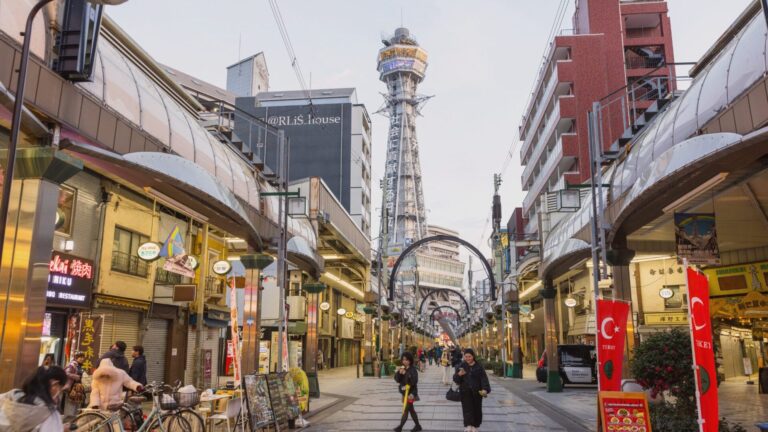
A guide to 7 small-scale hotels and guesthouses in Osaka — from a machigoto hotel inside a shopping arcade to a 110-year-old former ryotei — evaluated on local sourcing, community ties, and cultural preservation. All claims verified through official sources.

Looking for a sustainable hotel in Osaka? This guide covers 6 verified options — including Green Key-certified properties, Japan's top-rated energy performers, and hotels with local food sourcing programs — all based on official certifications and public disclosures.

A research-based guide to vegan restaurants in Kyoto, evaluated using verified information from official sources only. Covers shojin ryori at a UNESCO World Heritage temple, dedicated plant-based cafes, a zero-waste guesthouse, and a farm-to-table collective — with honest notes on what each place discloses and what it doesn't.

Planning to eat organic in Kyoto? This guide covers 5 restaurants verified for certified organic (Yuuki JAS) or pesticide-free sourcing — plus a clear breakdown of what "organic" actually means in Japan, how it differs from vegan, and what to ask before you order. Updated March 2026.

Discover 14 Kyoto hotels verified for real community contribution — from direct partnerships with local farmers and traditional artisans to financial support for Gion Matsuri and neighborhood clean-ups. Evaluated against 12 criteria using Kyoto City SDGs registration data, GSTC and Green Key certifications, and Japan Tourism Agency records.

Not all "sustainable" hotels disclose the same information. Here's what 7 Kyoto hotels publicly share about certifications, plastic reduction, and local community ties — and how to read it.

Looking for community-connected hotels in Tokyo? This guide examines 8 properties — from Shibuya to Nihonbashi — reviewing what each hotel claims on its official site and where the details run out. A calm, fact-based reference for travelers who want to make informed choices.