
If you’re planning a trip to Miyagi Prefecture, home to Sendai, Matsushima, and the Sanriku coast, you may be looking for hotels that back up their sustainability claims with something more concrete than a green logo on the website. That’s a reasonable thing to want, and also a hard thing to verify from abroad.
This guide covers 10 hotels and ryokan in Miyagi where we could confirm specific, documented sustainability practices directly from official sources: certifications, published figures, award citations, or clearly stated policies. It does not rank these properties against each other, and it does not claim that hotels left off this list are doing nothing. It simply reflects what could be verified through official websites and press releases as of June 2026.
A note on context: Miyagi was one of the areas hit hardest by the 2011 Tohoku earthquake and tsunami (often referred to in Japan as 3.11). Several hotels here treat disaster memory and community rebuilding as part of what “sustainability” means to them, alongside more familiar categories like energy and waste. That regional layer is part of what makes this list different from a typical eco-hotel roundup.
How We Selected These Hotels
Each hotel on this list meets at least one of the following five criteria, based on information published by the hotel itself or a certifying body:
External alignment and governance. A stated connection to local government environmental policy or post-disaster recovery planning.
Third-party certification. Programs such as Sakura Quality An ESG Practice, a Japan-based ESG certification built on criteria referencing the Global Sustainable Tourism Council (GSTC), an independent international nonprofit that sets widely used benchmarks for sustainable tourism.
Management and disclosure. A sustainability policy, target, or program that is documented and published, ideally with named figures or dates rather than vague statements.
Environmental performance. Concrete measures such as renewable energy use, heat or waste recycling, water conservation, or plastic reduction.
Social, economic, and cultural impact. Local sourcing, partnerships with regional businesses, employment practices, or support for cultural and disaster heritage.
The Hotels
1. The Westin Sendai


Location: Aoba Ward, Sendai, inside Sendai Trust Tower
Overview
Centrally located near Sendai Station, with easy access to both the city center and day trips to Matsushima.
Verified sustainability practices
In May 2025, the Westin Sendai received “4 Gyoiko-zakura,” reported as one of the top ratings under Sakura Quality An ESG Practice, a Japanese hospitality certification built on criteria referencing GSTC standards. The evaluation process includes a detailed checklist and an on-site audit.
Beyond the certification itself, the hotel has documented renewable energy use, wood and bamboo amenities, and a shift (starting in 2023) to offering amenities at the front desk rather than stocking them automatically in every room. It also runs a work-experience program for local middle school students and maintains the Sendai tradition of Kadomatsu, a New Year’s decoration made of pine and bamboo, in its lobby each winter.


Good fit for: Travelers who want a hotel with a documented third-party ESG certification, and anyone prioritizing walkability in central Sendai.
Worth knowing: We could confirm the certification and stated policies, but not ongoing public data on energy or water use.
More details
Ikkyu
 JTB
Yahoo!Travel
Expedia
Rakuten Travel
Rurubu Travel
Jalan
JTB
Yahoo!Travel
Expedia
Rakuten Travel
Rurubu Travel
Jalan
2. Yutomori Club (Ichinobo Group)
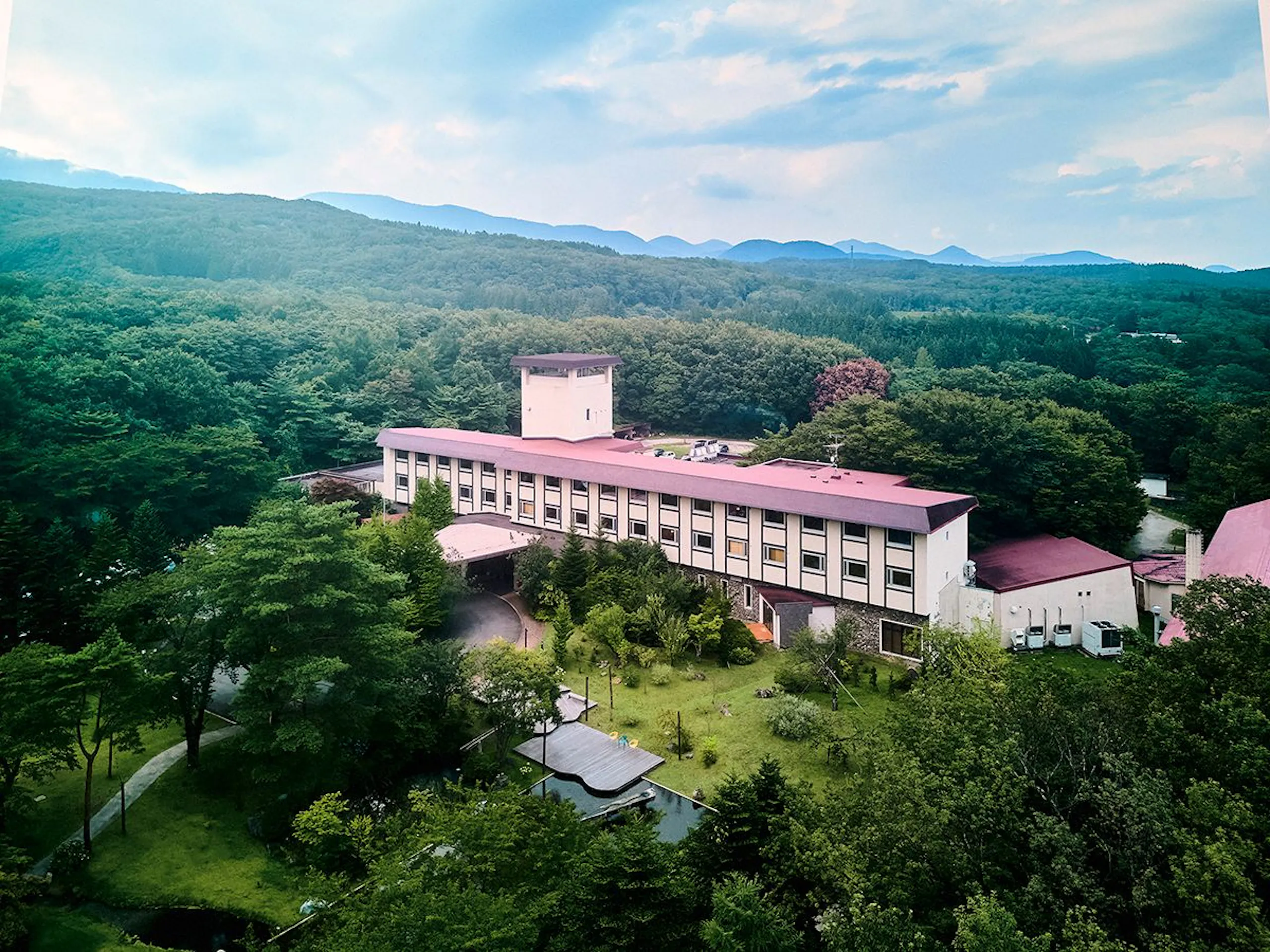

Location: Zao Town, Katta District, inside Zao Quasi-National Park
Overview
A forest onsen (hot spring) retreat run by the Ichinobo hospitality group, which operates several properties in Miyagi.
Verified sustainability practices
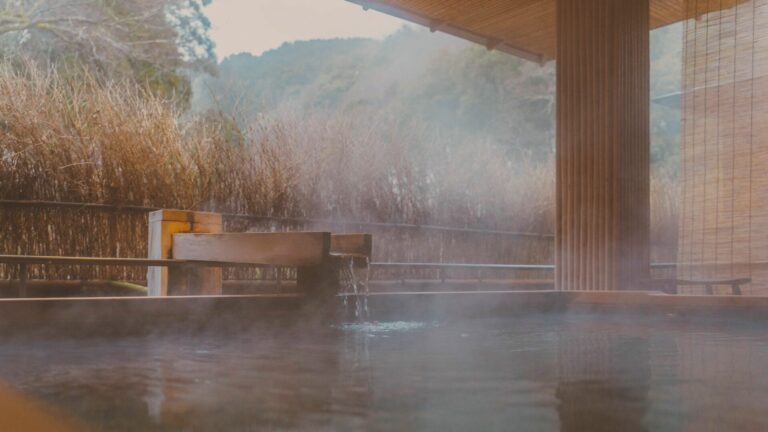
Yutomori Club uses a heat pump system that recovers waste heat from its onsen baths. The recovered heat is used to pre-warm bathwater and reduce boiler load. This system won a commendation from the Japan Heat Pump and Thermal Storage Technology Center in fiscal year 2021 for improved operational management, and the award case study reported a 25,000-liter (17.4%) reduction in heavy oil use and roughly 68 tons of annual CO2 reduction compared to the prior year.
The hotel’s parent company, Ichinobo Co., Ltd., received the top prize in Miyagi Prefecture’s fiscal year 2023 Zero Carbon Award, part of the group’s broader decarbonization push. Yutomori Club also skips shower caps by default, sources ingredients directly from regional producers through a program called “Soto-katsu,” and uses an order-based buffet format to cut food waste.


Good fit for: Guests interested in seeing exactly how a hot spring converts waste heat into a documented emissions reduction, and anyone drawn to the forests of Zao.
Worth knowing: The disclosed figures cover heavy oil use and CO2 reduction specifically. We didn’t find ongoing public data on water use or waste volume.
More details
Ikkyu
JTB
Yahoo!Travel
Expedia
Rakuten Travel
Rurubu Travel
Jalan
3. Sendai Royal Park Hotel


Location: Izumi Ward, Sendai, inside Izumi Park Town
Overview
A resort-style hotel on the outskirts of Sendai city.
Verified sustainability practices
The hotel’s SDGs page lays out a fairly detailed set of practices across environment, sourcing, and social contribution. On the environmental side: amenities blended with rice husk, stated on the hotel’s SDGs page as cutting plastic content by roughly 40%, recycled down bedding in select rooms through Nishikawa Co.’s recycling program, vegetable scraps repurposed into broth (“vegi-broth”) for soups and stocks, and cutlery made from upcycled coffee grounds mixed into bioplastic.
On sourcing, the hotel states it prioritizes Miyagi-grown rice, beef, and vegetables, along with eggs from cage-free hens. On the social side, it documents ongoing purchases from a workshop employing people with disabilities, and indirect participation in the Red Cup Campaign, which supports school meal programs through the UN World Food Programme.

Good fit for: Travelers curious about granular, product-level sustainability details, and anyone who values documented support for disability employment.
Worth knowing: We found no evidence of third-party certification here. The disclosures are self-reported by the hotel.
More details
Ikkyu JTB
Yahoo!Travel
Expedia
Rakuten Travel
Rurubu Travel
Jalan
JTB
Yahoo!Travel
Expedia
Rakuten Travel
Rurubu Travel
Jalan
4. Minamisanriku Hotel Kanyo

Location: Minamisanriku, Motoyoshi District
Overview
A hotel in one of the towns most severely affected by the 2011 tsunami, where disaster memory is built into how the property presents itself.
Verified sustainability practices
Since 2012, the hotel has maintained “The Forest of Life with an Ocean View,” a hillside grove above the town planted with cherry and maple trees, equipped with a bio-toilet and a shelter that also functions as an emergency evacuation point. The hotel preserved a privately owned building called Takano Kaikan as a disaster memorial and, according to the hotel, runs a daily “storyteller bus” tour where staff share firsthand accounts of the tsunami. Local media coverage reports the tours have drawn a large number of visitors over the years.
The hotel’s published CSR policy names disaster memory education, learning support, and regional tourism revitalization as its three pillars.


Good fit for: Travelers interested in disaster preparedness education, or school and corporate groups looking for an experiential learning stop.
Worth knowing: What’s documented here centers on disaster memory and community work rather than energy or water metrics.
More details
Ikkyu JTB
Yahoo!Travel
Expedia
Rakuten Travel
Rurubu Travel
Jalan
JTB
Yahoo!Travel
Expedia
Rakuten Travel
Rurubu Travel
Jalan
5. Komatsukan Kofutei
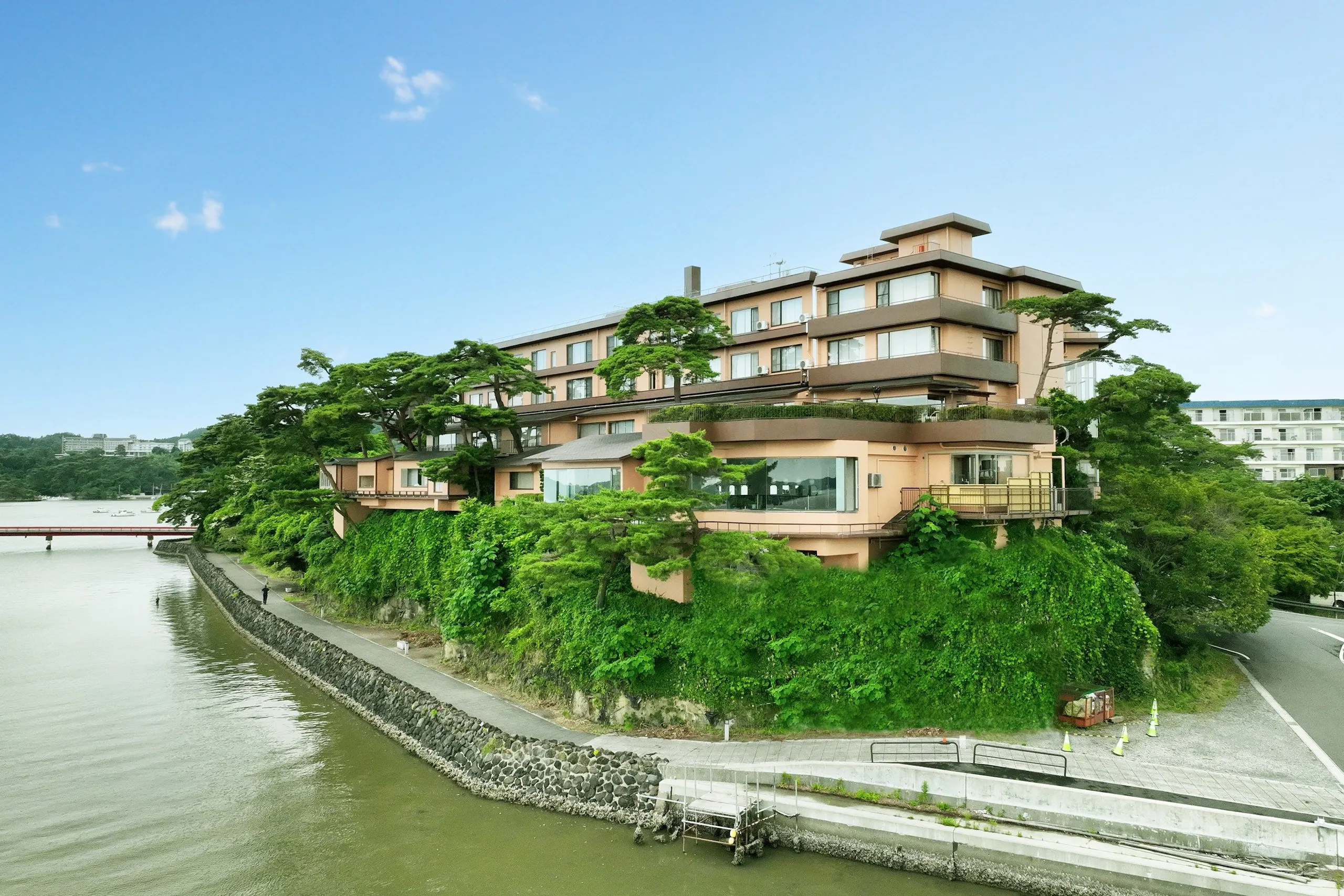
Location: Matsushima Town, Miyagi District
Overview
A ryokan set within the scenery of Matsushima Bay, one of Japan’s traditionally celebrated “three great views.”
Verified sustainability practices
The inn’s SDGs page describes a policy centered on environmental and community responsibility, including LED lighting throughout the property, low-flow shower and toilet fixtures, and floor-by-floor electricity control during the off-season to reduce unnecessary power use. It also documents food waste reduction through demand-based ordering and portion adjustments.
On the social side, the inn runs staff training related to workforce diversity and inclusion, covering foreign employees, employees with disabilities, and gender diversity, and participates in local community cleanups.


Good fit for: Guests who want to see operational policy, including staff training, documented alongside environmental measures. Anyone visiting Matsushima.
Worth knowing: We found no specific reduction percentages or numeric targets on the official site. Most disclosures describe policy and practice rather than measured outcomes.
More details
Ikkyu JTB
Yahoo!Travel
Expedia
Rakuten Travel
Rurubu Travel
Jalan
JTB
Yahoo!Travel
Expedia
Rakuten Travel
Rurubu Travel
Jalan
6. Kesennuma Plaza Hotel

Location: Kesennuma City
Overview
A hotel run by the Abecho Shoten Group, a seafood processing company, located near Kesennuma’s fishing port.
Verified sustainability practices
Fish scraps from the group’s seafood processing operations are converted into fertilizer and used on contracted farmland to grow a regional rice brand called “Rias no Kirameki” (Rias Sparkle), which the hotel then serves to guests and sells through affiliated stores, closing a local food loop. The hotel now hands out amenities like razors and shower caps at the front desk on request rather than stocking every room automatically, a practice consistent with Japan’s Plastic Resource Circulation Act, reducing single-use plastic.
The hotel also runs educational travel programs tied to local industry, including tours of Kesennuma’s fish market and farm work experiences with contracted growers.

Good fit for: Travelers interested in how fishing and agriculture connect in a coastal Japanese town, or anyone visiting Kesennuma for the seafood.
Worth knowing: What’s documented centers on the food loop. We found no disclosed data on energy or water use.
More details
Ikkyu JTB
Yahoo!Travel
Expedia
Rakuten Travel
Rurubu Travel
Jalan
JTB
Yahoo!Travel
Expedia
Rakuten Travel
Rurubu Travel
Jalan
7. Sendai Kokusai Hotel

Location: Sendai City
Overview
A hotel in central Sendai operated by the Tobu Railway Group.
Verified sustainability practices
The hotel grows vegetables using a circular composting method built from local food industry byproducts, including spent maitake mushroom substrate and oyster shells, and serves the resulting produce in its restaurants. Its official sustainability page also states a commitment to sourcing Miyagi-grown ingredients to reduce transport-related emissions.


Good fit for: Travelers interested in food waste upcycling and closed-loop kitchen gardens.
Worth knowing: The documented practice centers on garden-based composting. Other categories of disclosure are limited.
More details
Ikkyu
JTB
Yahoo!Travel
Expedia
Rakuten Travel
Rurubu Travel
Jalan
8. Hotel El Faro

Location: Onagawa Town, Oshika District
Overview
A 63-room hotel built entirely from trailer houses, founded in 2012 by four ryokan operators whose businesses were destroyed in the 2011 tsunami.
Verified sustainability practices
In January 2026, the Japan Record Association, a private organization that certifies notable records in Japan, recognized the hotel as the country’s largest domestically manufactured trailer house hotel by room count (40 trailer units, 63 rooms total). The hotel was originally built to address a severe post-disaster shortage of guest accommodations in the area. It continues to direct guests toward nearby businesses, including the Sea Pal-pier Onagawa shopping area and Onagawa Onsen Yupoppo, a local bathhouse, supporting the broader local economy.

Good fit for: Travelers interested in the human story of post-disaster rebuilding, or anyone who wants a stay woven into a local shopping district.
Worth knowing: We found no specific published data on energy or water use. The documented strengths here are social and economic rather than environmental in the technical sense.
More details
JTB
Yahoo!Travel
Expedia
Rakuten Travel
Rurubu Travel
Jalan
9. Hotel Monterey Sendai
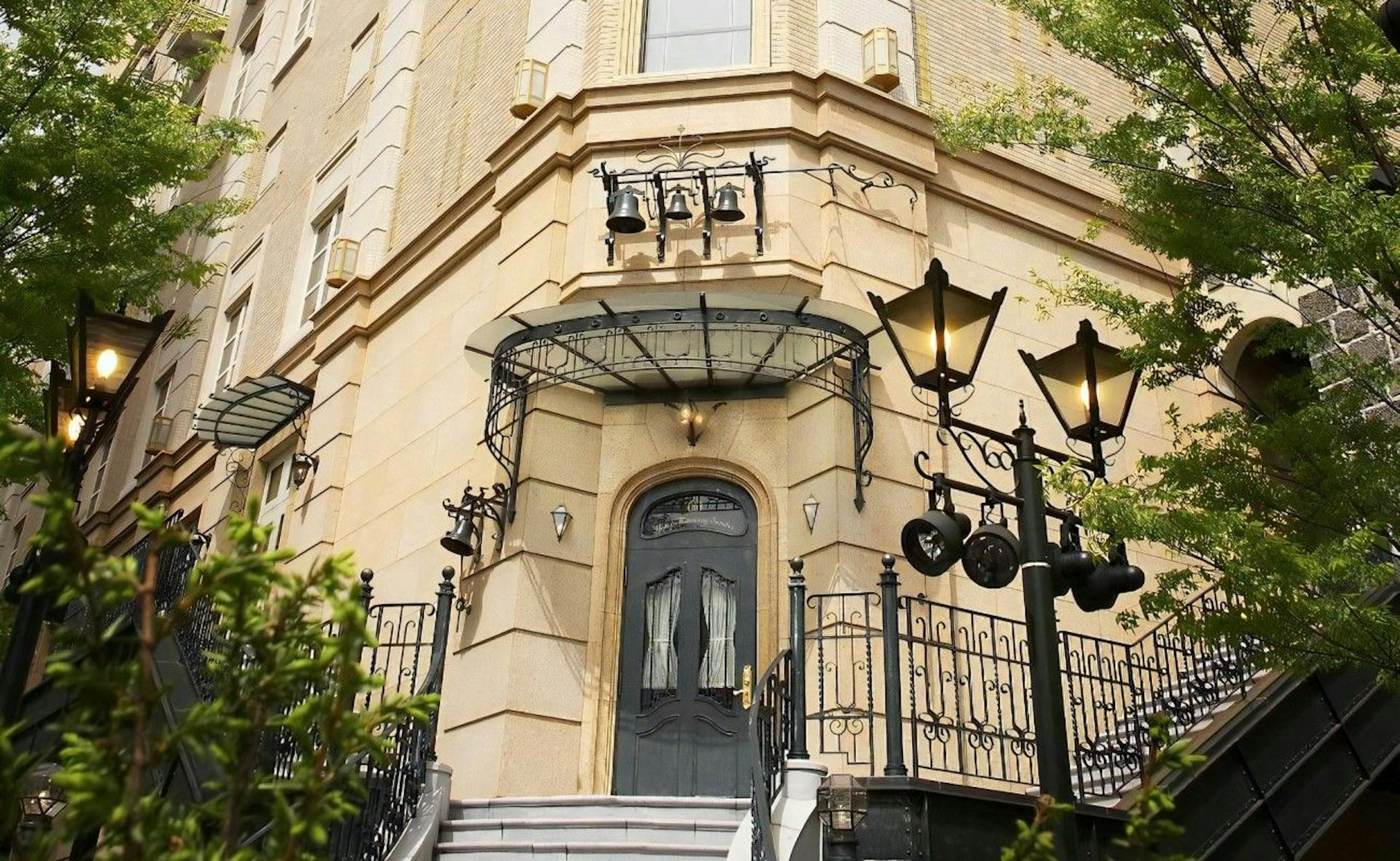
Location: Sendai City
Overview
A city hotel operated by the Hotel Monterey Group.
Verified sustainability practices
The hotel is gradually rolling out Mirable, a shower head marketed for its ultra-fine mist and water-efficient spray, across its guest rooms. Under the group’s shared SDGs policy, it has also phased out plastic straws and bags and simplified housekeeping for multi-night stays, according to its official site.


Good fit for: Guests interested in the specifics of water-saving fixture rollout.
Worth knowing: The documented practice centers on water fixtures. We found no published information on the hotel’s other community or environmental initiatives.
More details
Ikkyu
JTB
Yahoo!Travel
Expedia
Rakuten Travel
Rurubu Travel
Jalan
10. Hotel Metropolitan Sendai East
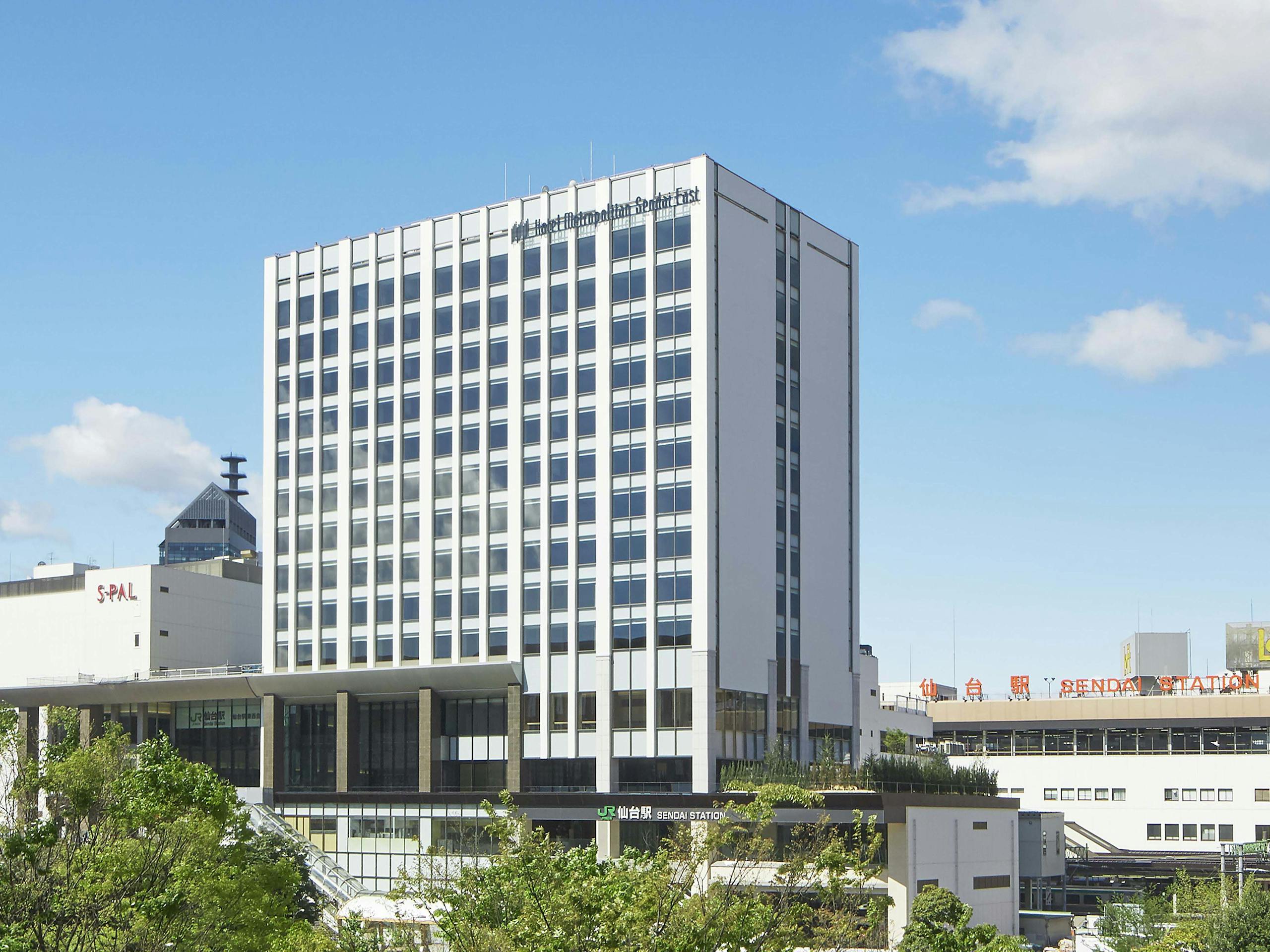
Location: Sendai City, directly connected to JR Sendai Station
Overview
A JR East Group hotel connected directly to the east exit of Sendai Station.
Verified sustainability practices
The hotel offers a “CO2 Zero Stay” plan that offsets CO2 estimated at approximately 15 kg per guest per night, calculated under the program’s stated accounting assumptions, using J-Credits, Japan’s official carbon credit system. This program is documented in the hotel’s official press release.

Good fit for: Travelers who want their stay itself structured as a carbon-offset transaction, and anyone who values direct station access.
Worth knowing: The confirmed practice centers on the offset plan. We could not verify specific figures for the hotel’s stated water recycling or coastal forest conservation support in Onagawa.
More details
Ikkyu
JTB
Yahoo!Travel
Expedia
Rakuten Travel
Rurubu Travel
Jalan
Frequently Asked Questions
What makes a hotel “sustainable” in Japan?
There’s no single legal definition. In this guide, we treat a hotel as documenting sustainability if it has a third-party certification (like Sakura Quality or the international GSTC framework), publishes specific figures or policies, or can point to concrete environmental, social, or governance practices on its official site, rather than only using general language like “eco-friendly.”
What is Sakura Quality An ESG Practice?
It’s a Japanese hospitality certification program that evaluates hotels against criteria referencing the Global Sustainable Tourism Council (GSTC), an independent international nonprofit that sets sustainable tourism standards. Properties are rated on a five-tier scale, with names based on varieties of cherry blossom.
Why do disaster recovery and memory show up in a sustainability guide?
Miyagi Prefecture was heavily affected by the 2011 Tohoku earthquake and tsunami. Several hotels here, particularly along the Sanriku coast, treat community resilience, disaster memory, and post-disaster economic rebuilding as core to their identity, which fits within the social and governance dimensions of sustainability frameworks like GSTC, even though it’s less commonly discussed in typical hotel sustainability coverage outside Japan.
Are these hotels certified by international green hotel programs like Green Key or EarthCheck?
Based on our research as of June 2026, none of the hotels on this list hold Green Key or EarthCheck certification. The Westin Sendai’s Sakura Quality certification is built on GSTC-aligned criteria but is a distinct, Japan-based program.
Is staying at one of these hotels meaningfully “better” for the environment?
That depends on what you’re comparing it to and what you value. This guide doesn’t rank these properties or claim any of them is the single best choice. It’s meant to give you documented, source-checked information so you can weigh it against your own priorities.
A Few Things Worth Checking Yourself
If you want to dig deeper into any of these hotels before booking:
- Certification details, including scoring criteria, are often published by the certifying body itself, not just the hotel. For Sakura Quality, that’s sakura-quality.com.
- When a hotel cites an award or a reduction percentage, check whether it applies to that specific property or to the parent company/group as a whole. Group-level figures don’t always mean every individual hotel has matched them.
- For any technical claim (heat recovery systems, carbon offset programs), whether the hotel continues to publish updated figures year over year is a reasonable signal of how seriously the program is maintained.
Final Thought
All 10 hotels above have documented at least one specific, verifiable sustainability practice, but the depth and type of that documentation varies quite a bit. A GSTC-aligned certification, a hard number on emissions reduction, and a preserved disaster memorial are different kinds of evidence, and they may matter differently depending on what you’re looking for in a stay.
What would you weigh more heavily: a third-party certification, a specific number, or a hotel’s role in its community’s history?
Information in this guide is based on official hotel websites and press releases, current as of June 2026. Details may change without notice. Please check each hotel’s official site for the most current information.