
There’s something quietly beautiful about a Christmas table where everyone can reach for the same dessert. No separate plates, no sidelong apologies, no child watching others enjoy cake while they sit with fruit. Just one stunning centerpiece that everyone—regardless of dietary needs—can celebrate together.
For families navigating food allergies or plant-based lifestyles, this vision has often felt out of reach. I know this firsthand. A few years ago, I found myself searching frantically for a Christmas cake my vegetarian friend could enjoy at our holiday gathering. What I discovered surprised me: Japan’s online cake scene has quietly evolved into something remarkable—a landscape where vegan, allergen-free, and gluten-free desserts aren’t afterthoughts, but carefully crafted works of culinary art.
This shift reflects something larger happening in Japan and globally: the recognition that inclusive eating isn’t about restriction—it’s about expansion. It’s about creating space at the table for everyone.
Understanding the Landscape: Allergen-Free vs. Vegan
Before diving into recommendations, let’s clarify what these terms actually mean, because the distinctions matter.
Allergen-free cakes are formulated to exclude specific allergens—typically Japan’s designated “top 7” allergens: eggs, dairy, wheat, buckwheat, peanuts, shrimp, and crab. These cakes prioritize safety for children and adults with allergies, offering peace of mind for families who’ve grown accustomed to reading every ingredient label with scrutiny.
Vegan cakes go further, eliminating all animal-derived ingredients—not just eggs and dairy, but also honey, gelatin, and any other products sourced from animals. Many people choose vegan desserts for ethical reasons, environmental consciousness, or health considerations. The beautiful overlap? Vegan cakes often happen to be allergen-friendly by default.
What’s exciting is the emergence of multi-requirement products: vegan + gluten-free, for instance, or egg-free + dairy-free + wheat-free. Japanese bakers have become remarkably skilled at using alternative ingredients—rice flour, soy milk, cashew cream, beet sugar—to create textures and flavors that rival (and sometimes surpass) traditional recipes.
Four Essential Guidelines for Confident Selection
Choosing the right cake requires more than browsing pretty photos. Here’s what to look for:
1. Ingredient Transparency Matters
Always examine the full ingredient list, not just the allergy claims. Trustworthy producers specify exactly what they use: “organic soy milk,” “domestic rice flour,” “beet sugar” rather than vague terms like “vegetable oil” or “natural sweetener.”
For families with young children or severe sensitivities, this transparency isn’t optional—it’s essential. If a shop’s ingredient information feels incomplete or evasive, trust your instincts and keep looking.
2. Understanding Cross-Contamination Risk
Here’s where things get nuanced. A cake might be “egg-free” in formulation but produced in a facility that also handles eggs. For mild sensitivities, this may not matter. For severe allergies, trace contamination could trigger reactions.
Look for phrases like “manufactured in a dedicated facility” or “dedicated allergen-free production line.” When in doubt, contact the bakery directly. Reputable producers welcome these questions—they understand what’s at stake.
3. Calibrating Sweetness and Size
Many vegan cakes use maple syrup, coconut sugar, or beet sugar instead of refined white sugar, resulting in more subtle sweetness. This appeals to health-conscious adults but might not satisfy young children expecting traditional cake-level sweetness. Consider your family’s palate.
Size matters too. Common dimensions:
- 4-gō (approximately 12cm diameter): Serves 2–4 people
- 5-gō (approximately 15cm diameter): Serves 4–6 people
Choose based on your gathering size to avoid waste—though honestly, these cakes tend to disappear faster than expected.
4. Frozen Delivery Logistics
Most allergen-friendly cakes arrive frozen to preserve quality without preservatives. Thawing typically requires 5–6 hours in the refrigerator. To avoid Christmas morning panic, start thawing the night before.
Check expiration dates carefully. Frozen cakes usually keep for about a month, but once thawed, consume within a day. Work backward from your celebration date when selecting delivery timing.
Outstanding Options Worth Ordering
Here are some exceptional vegan and allergen-free Christmas cakes available online in Japan:
Ametsuchi Manimani Raw Chocolate Cake
Vegan & Gluten-Free
This three-layer chocolate creation strikes a perfect balance between gentleness and richness, made with a soy milk base. Organic chocolate is baked into the bottom layer, white chocolate mousse crafted from soy milk and cocoa butter forms the middle, and bitter chocolate cream tops it all off. Made entirely from plant-based ingredients, it delivers deeply satisfying taste without compromise. The shop transparently discloses ingredients and manufacturing information—always a good sign.

WAGOME Gluten-Free Soy Milk Rice Flour Chiffon Cake
Free of Japan’s Top 7 Allergens
Light and airy yet meltingly moist, this chiffon cake achieves its unique texture through an innovative “soy milk meringue” technique. Made with simple, plant-based ingredients like rice flour, organic potato starch, beet sugar, and canola oil, it offers wholesome, unpretentious flavor. Perfect for vegans and anyone watching their diet. The fluffy texture defies expectations for allergen-free baking.

Coco ChouChou Vegan Orange & Chocolate Cake
Egg-Free, Dairy-Free, Wheat-Free
This special Christmas cake features two delicious layers: chocolate and orange. Rich vegan mousse created from raw cashew nuts and cocoa butter provides luxurious texture. Sweetened with maple syrup, the base is a brownie made from walnuts and dates. The ingredient disclosure is impressively detailed, building trust with customers who need to know exactly what they’re serving.

Ametsuchi Manimani Gluten-Free & Vegan Gateau Chocolat
Rice Flour Base
Intensely rich yet finishing light and clean, this gateau chocolat uses carefully selected plant-based ingredients: organic soy milk, extra-virgin organic coconut oil, beet sugar. Van Houten cocoa powder adds sophisticated bitterness and refined sweetness. When warmed, the moist, chewy texture becomes even more pronounced. Perfect for adults who prefer less sweetness and more depth.

THE NICOLE Vegan Soy Milk Yogurt Rare Cheesecake
Limited Edition
This special vegan cake combines rich cream made from strained soy milk yogurt with a tart base of Naruto Kintoki sweet potato and almonds. No white sugar or additives—sweetness comes naturally from maple syrup and brown sugar. Light yet satisfying, with ingredients carefully highlighted. Limited to 20 units, so early ordering is essential.
Coco ChouChou Vegan Strawberry Cake
Allergen-Conscious
Made without eggs, dairy, wheat, or white sugar, this strawberry cake features a cashew nut and coconut oil base as smooth as mousse. Gentle sweetness from maple syrup spreads throughout. A walnut and date crust adds pleasant accent, while colorful berries top it generously. Vibrant and delicious—a true celebration cake.

Ripple Sweets Chocolate Mont Blanc
Vegan & Gluten-Free, No Preservatives
Inside the special Mont Blanc cream, you’ll find plenty of raw chocolate and chestnuts. Gentle sweetness from beet sugar and cane sugar, with a base made from rice flour and soy milk offering satisfying substance. The natural flavor of ingredients shines through without preservatives masking anything.
Ripple Sweets Bûche de Noël
Plant-Based, No Preservatives
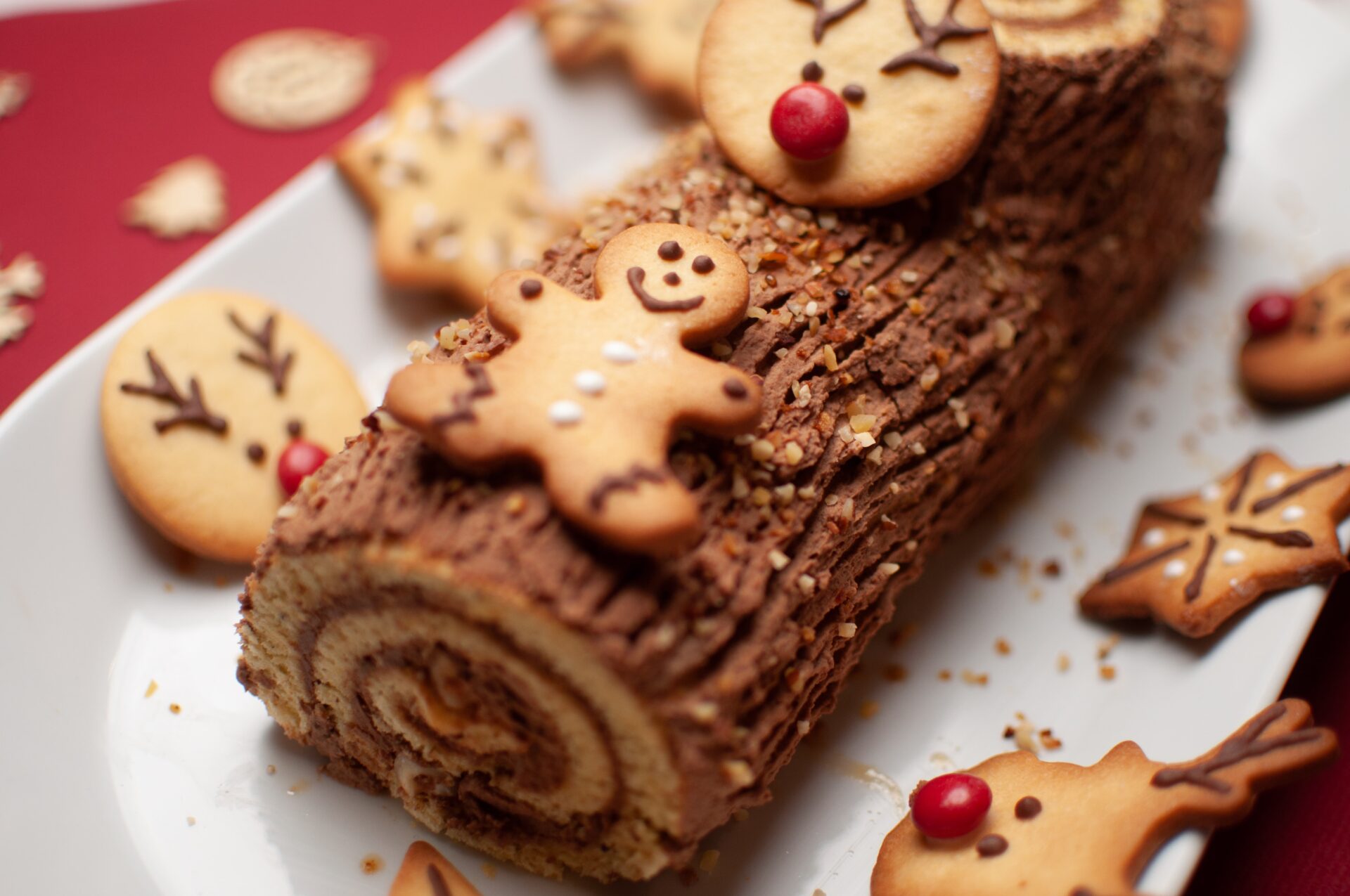
Fluffy rice flour sponge generously rolled with smooth chocolate cream creates rich taste. The gentle flavors of soy milk and cane sugar come through beautifully. This traditional Christmas log format proves that vegan baking can honor classic forms while embracing modern values.

Ripple Sweets Stollen
Vegan & Gluten-Free
Rice flour dough generously mixed with nuts and fruits, wrapped in powdered sugar for moist finish. As time passes, the flavors meld and deepen—perfect for slicing and savoring slowly throughout the holiday season. A heartwarming seasonal treat that respects tradition while accommodating contemporary needs.

Timing Your Order: Why Early Reservation Matters
Here’s the reality: allergen-friendly and vegan Christmas cakes are produced in smaller batches than conventional cakes. Popular items sell out fast.
Most shops begin accepting reservations from mid-November to early December. By mid-December, many options have vanished. I’ve seen sought-after cakes sell out within hours of release.
My advice? Reserve immediately when you find something that speaks to you. Don’t wait for “the perfect moment”—that moment is now.
To avoid delivery congestion, select dates before December 20th if possible. Since most products can be frozen, early delivery actually reduces stress rather than adding to it.
Creating the Moment You Imagined
Dietary restrictions aren’t “special treatment” requiring apology. They’re simply part of who we are—and the food landscape is finally catching up with that reality.
Every cake featured here represents careful craftsmanship and genuine culinary ambition. These aren’t compromise desserts you “settle for” because of restrictions. They’re cakes you actively want to eat, cakes that make people lean in and ask, “Wait, this is vegan?”
This Christmas, imagine your whole family gathered around one beautiful cake. No separate desserts, no explanations needed, no one left out. Just shared joy, shared sweetness, shared celebration.
That vision is entirely within reach. Reserve early, plan ahead, and welcome the holiday with confidence that everyone at your table—regardless of what they can or can’t eat—will have something truly special to enjoy.
Because the best Christmas moments aren’t about the cake itself. They’re about who you share it with.