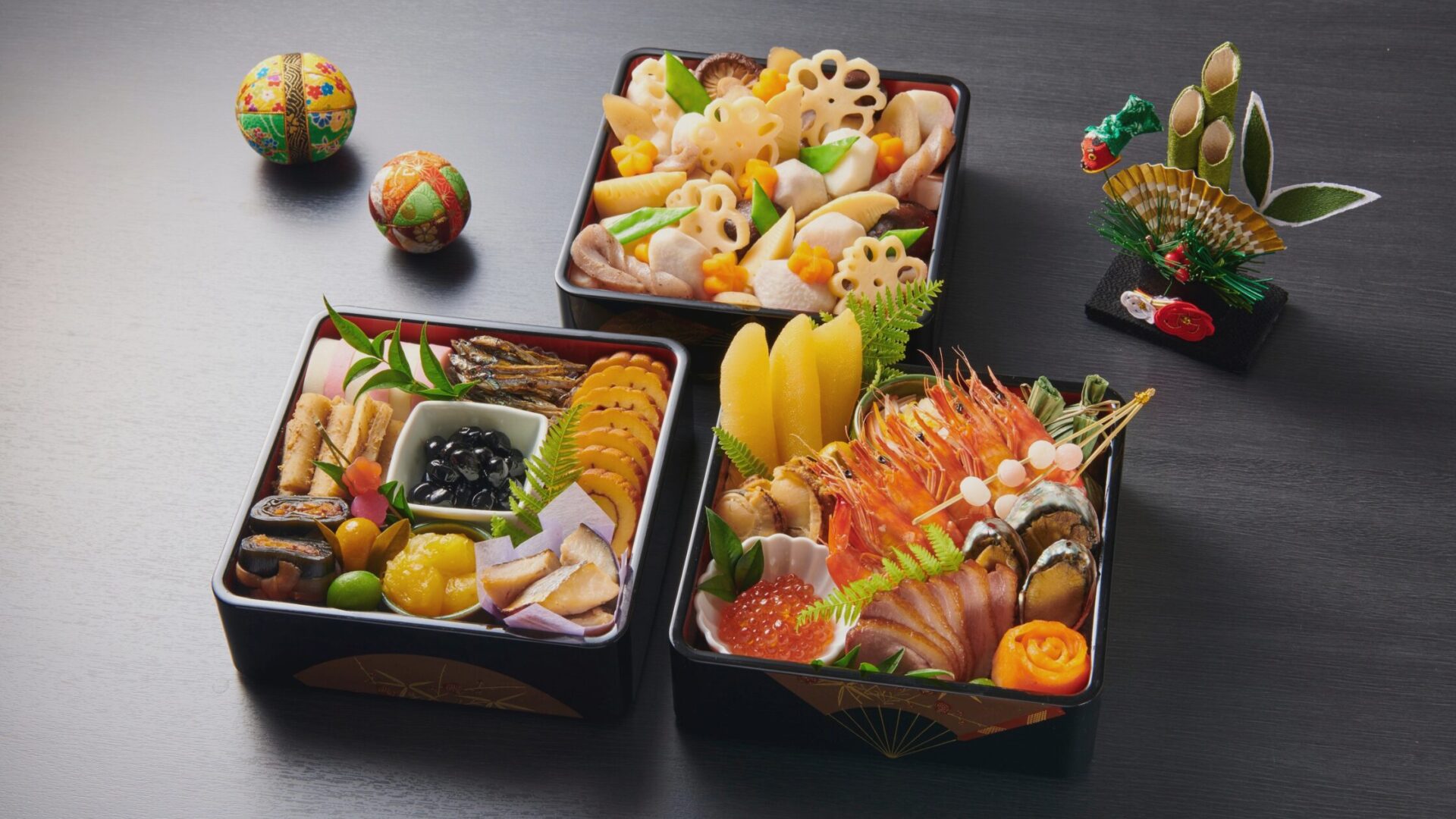

As consciousness around environmental sustainability and inclusive dining continues to reshape how we celebrate, an ancient Japanese tradition is experiencing a modern renaissance. Vegan osechi—the plant-based version of Japan’s elaborate New Year feast—offers a compelling answer for anyone seeking to honor cultural traditions while aligning their celebrations with contemporary values around health, environmental stewardship, and dietary inclusivity.
Whether you’re a longtime vegan, someone reducing animal products for environmental reasons, or simply curious about expanding your cultural culinary horizons, vegan osechi represents more than just a meal. It’s a thoughtful approach to celebrating that proves sustainability and tradition can not only coexist but enhance each other.
Understanding Vegan Osechi: Where Tradition Meets Plant-Based Living
What Makes Osechi Special in Japanese Culture
Traditional osechi ryori is Japan’s quintessential New Year cuisine, served in stacked lacquered boxes called jubako. Each dish carries symbolic meaning—from longevity and prosperity to happiness and fertility. Families gather on January 1st to share this elaborate spread, which historically was prepared in advance so cooks could rest during the holiday period.
The typical osechi box contains dozens of meticulously prepared items: sweet black soybeans, candied chestnuts, fish cakes, rolled kelp, shrimp, and sweetened egg dishes, among many others. The visual presentation rivals the taste, with each tier arranged like an edible work of art.
The Plant-Based Revolution: Why Vegan Osechi Matters
Vegan osechi maintains this cultural framework while replacing all animal-derived ingredients with plant-based alternatives. Instead of fish and seafood, you’ll find artfully prepared vegetables, legumes, grains, seaweed, mushrooms, and fruits. Many producers draw inspiration from shojin ryori—the centuries-old Buddhist vegetarian cuisine practiced in Japanese temples—which has perfected plant-based cooking techniques long before modern veganism emerged.
What was once only available through specialized temple connections or niche restaurants has now become accessible through online ordering, thanks to improved freezing technology and growing consumer demand. This democratization means anyone, anywhere can experience this sustainable celebration style.
The Triple Win: Environmental, Health, and Inclusivity Benefits
Reducing Your Holiday Carbon Footprint
Holiday meals are notoriously resource-intensive, but choosing vegan osechi significantly reduces environmental impact. Animal agriculture demands enormous quantities of water, land, and feed while generating substantial greenhouse gas emissions. A plant-based New Year feast can reduce the carbon footprint of your celebration by as much as 50-70% compared to traditional protein-heavy holiday spreads.
For environmentally conscious celebrants in the US and EU, where holiday food waste and overconsumption are growing concerns, vegan osechi offers a mindful alternative. The advance preparation tradition also encourages thoughtful portion planning, reducing the likelihood of excess waste.
Nutritional Advantages of Plant-Based Celebration Meals
Beyond environmental benefits, vegan osechi delivers impressive nutritional value. The vegetable and legume foundation provides abundant dietary fiber, vitamins, minerals, and antioxidants while naturally avoiding cholesterol. Many preparations use minimal oil and emphasize ingredient-forward flavors rather than heavy sauces.
Unlike typical Western holiday meals that often leave diners feeling sluggish, the balanced composition of vegan osechi—combining complex carbohydrates, plant proteins, and fresh vegetables—provides sustained energy without the post-meal crash. The lighter seasoning approach, particularly in shojin-style preparations, allows you to enjoy celebratory abundance without overwhelming your system.
Creating Inclusive Celebrations for All Dietary Needs
Perhaps the most underappreciated advantage is inclusivity. Traditional holiday meals often exclude or marginalize guests with allergies, ethical dietary restrictions, or religious requirements. By eliminating common allergens like shellfish, eggs, and dairy, vegan osechi creates a celebration table where everyone can participate fully.
This matters enormously in increasingly diverse US and EU communities where gatherings typically include people with varied dietary needs. Rather than preparing separate dishes or asking guests to navigate around problematic ingredients, vegan osechi establishes common ground from the start.
Choosing Your Perfect Vegan Osechi: A Practical Guide
First-Time Buyers and Intimate Gatherings
If you’re new to vegan osechi or celebrating with just one or two people, start with a compact single-tier box containing 10-20 dishes designed for two servings. This manageable size lets you explore the concept without overwhelming your refrigerator or budget. The variety still provides the full sensory experience—different textures, flavors, and colors—that makes osechi special.
Think of this as your gateway experience. If it resonates with you, next year you can expand to more elaborate multi-tier options. The lower commitment also makes it easier to experiment with different suppliers until you find your preferred style and taste profile.
Traditional Celebrants Seeking Authenticity
For those who want the complete cultural experience, three-tier jubako boxes packed with 30-40 meticulously prepared dishes deliver the full impact. These comprehensive sets recreate the visual drama and abundance that define traditional New Year celebrations in Japan.
Look for suppliers that emphasize shojin ryori techniques and traditional preparation methods. Authentic producers use time-honored cooking processes like simmering vegetables in kombu dashi, pickling with rice bran, and achieving natural sweetness through slow reduction rather than refined sugars. The attention to detail—from knife cuts to arrangement patterns—transforms the meal into an aesthetic experience that honors centuries of culinary craftsmanship.
Gift-Givers and Large Gatherings
When selecting vegan osechi as a gift or for a substantial gathering, prioritize suppliers with established reputations and premium presentation. The packaging matters as much as the contents—look for authentic jubako boxes in lacquerware or quality wood rather than disposable containers.
For groups of six or more, consider ordering multiple two-tier boxes rather than one enormous set. This approach allows for easier serving and ensures everyone can access the dishes without crowding. It also provides flexibility if your guests have different arrival times throughout the day.
Featured Vegan Osechi: Quality Options Worth Considering
Izusen Shojin Osechi: Kyoto Temple Tradition
Among the most respected options is Izusen’s shojin osechi, produced by a venerable establishment operating within Kyoto’s historic Daitokuji Temple complex. This producer brings genuine Buddhist vegetarian cooking expertise, having perfected their craft over generations of temple service.
Their signature set features 24 items in a single-tier Japanese-style box designed for two people. The preparation philosophy centers on “roshin”—often translated as “elderly heart” but really meaning the wisdom of maturity and cyclical thinking. This manifests in their zero-waste approach and careful ingredient selection limited to grains, legumes, and seasonal vegetables.
The seasoning style is notably restrained, using approximately 40% less salt than conventional fish-based osechi. Rather than masking ingredients, the preparation techniques highlight natural flavors through precise timing and temperature control. The result feels simultaneously light and satisfying—refined without being fussy.
What distinguishes Izusen’s approach is the underlying intention. Each dish reflects consideration for both nourishment and mindfulness, embodying the “kishin” (joyful heart) principle that food preparation can be a meditative practice. For Western consumers accustomed to rushed cooking and convenience foods, this philosophical dimension adds meaningful depth to the dining experience.


 ポチップ
ポチップ
Additional Trusted Suppliers
Beyond Izusen, several other suppliers have earned recognition in the vegan osechi market:
Kodawariya operates as a specialty retailer focusing on organic and natural foods with rigorous sourcing standards. Their osechi selections emphasize ingredient transparency and certified organic components wherever possible. This appeals particularly to consumers concerned about pesticide residues and agricultural practices.
Karuna functions as a comprehensive online marketplace for macrobiotic and vegetarian Japanese foods. Their annual osechi lineup typically includes options at various price points and serving sizes, making them accessible for different budgets. They also provide detailed English-language ingredient information, which helps international buyers make informed choices.
Both suppliers have established track records with international shipping, important considerations for US and EU customers who want reliable delivery and customer service in English.
Smart Shopping: What to Check Before You Buy
Portion Planning and Serving Sizes
Supplier serving recommendations can be misleading. A box labeled “serves 3-4 people” assumes osechi is just one component of a larger New Year spread including soup, rice cakes, and other dishes. If osechi will be your primary meal, calculate conservatively and consider ordering for one or two more people than you’re actually serving.
Individual appetites vary enormously. Active adults may find standard portions insufficient, while lighter eaters might have plenty of leftovers. Factor in whether you’re serving children (who typically eat less) or whether your celebration includes substantial drinking (which often increases food consumption).
Navigating Allergen Information
Despite being animal-free, vegan osechi isn’t automatically safe for all allergies. Soy products appear extensively—tofu, yuba (tofu skin), miso, soy sauce—making these sets problematic for people with soy sensitivities. Tree nuts, particularly walnuts and chestnuts, feature in many traditional preparations.
Wheat is equally prevalent, used in soy sauce, some noodle dishes, and wheat gluten preparations. Anyone requiring strict gluten-free options must scrutinize ingredient lists carefully, as cross-contamination can occur even in vegetable-only facilities.
Reputable suppliers provide comprehensive allergen disclosures on their product pages. Don’t hesitate to contact customer service directly if information seems incomplete or ambiguous—your safety depends on clarity.
Delivery Logistics and Food Safety
Most vegan osechi ships frozen to maintain quality during transit. This requires planning, as proper thawing takes 24-36 hours in refrigeration. Attempting to accelerate the process at room temperature compromises both food safety and texture quality. The dishes were frozen at their peak condition; hasty thawing undoes that careful preservation.
Some suppliers offer fresh refrigerated options with shorter shelf lives. These arrive closer to consumption date but demand precise timing coordination. If your schedule is unpredictable, frozen options provide more flexibility since they remain safe in your freezer until you’re ready to begin thawing.
International shipping to the US and EU adds complexity. Verify the supplier’s experience with international cold chain logistics and confirm they use carriers equipped for perishable goods. Check reviews specifically mentioning international delivery to gauge reliability.
Presentation Matters: Creating the Right Atmosphere
Osechi’s visual impact is integral to the experience. Some sets arrive in authentic jubako boxes that become part of the presentation, while others use simple containers expecting you to transfer dishes to your own serving ware.
If authenticity matters to you, invest in purchasing or borrowing proper jubako boxes—they’re reusable for years and enhance the ceremonial feeling. Alternatively, Japanese-style ceramics, lacquered trays, or even attractive modern serving plates can work beautifully. The key is intentional arrangement that respects the care invested in preparation.
Consider supplementary elements like decorative picks, edible flowers, or fresh herb garnishes to personalize the presentation. Photography plays a role too—this is inherently photogenic food, and sharing images on social media helps normalize plant-based celebration styles.
Making Vegan Osechi Part of Your Sustainable New Year
The convergence of ancient tradition and modern sustainability consciousness creates something greater than either element alone. Vegan osechi demonstrates that respecting cultural heritage doesn’t require ecological compromise, and that environmental responsibility need not abandon aesthetic beauty or celebratory joy.
For Western audiences increasingly interested in both global culinary traditions and plant-based living, vegan osechi offers a meaningful entry point. It’s not about appropriating Japanese culture but rather learning from approaches that solved problems we’re only now recognizing—how to create abundant celebrations with minimal environmental impact, how to make vegetables the center of attention rather than an afterthought, how to imbue food preparation with intention and mindfulness.
As we navigate the complexities of climate change, health crises, and social inclusion, our celebration traditions deserve reexamination. Vegan osechi suggests that evolution need not mean abandonment—that we can honor the past while building more sustainable futures.
This New Year, consider welcoming vegan osechi to your table. You might discover that the most satisfying celebrations aren’t those that consume the most but those that consider the most—the origins of our food, the effort of preparation, the company we share it with, and the world we’ll pass forward.