
A closet cleanout doesn’t have to end in the trash. Overflowing closets are a universal problem, but throwing clothes away isn’t the only option. Whether you want to donate them to someone who needs them, resell them for extra cash, or recycle what’s too worn to wear again, Japan has a practical route for each. This guide walks through what each one actually involves — the cost, the effort, and where your clothes end up.
How to Get Rid of Clothes in Japan — Your Options
Before you decide what to do with the clothes you no longer wear, it helps to know the options.
Broadly, you have three: donate them to an organization that gets them to people who need them,
resell them through a domestic store or app, or bring them to your local textile collection point
if they’re too worn to reuse. Each has a different cost, a different destination, and a different
environmental footprint — the sections below walk through what to expect from each.
How to Donate Clothes in Japan
Japan Relief Clothing Center (JRCC)
JRCC is a certified NPO based in Kobe that collects clothing for disaster survivors and refugees
overseas. They accept new underwear, socks, pajamas, towels, and sheets, plus clean, unstained
secondhand items like blankets, jeans, T-shirts, sweaters, and coats (tailored jackets, skirts,
dresses, kimono, and shoes are not accepted). You cover the courier cost when you send the box,
and about a month after it arrives, JRCC sends a request for an additional ¥1,500 per 10kg toward
the cost of shipping donations overseas. It isn’t a free service, but it’s a direct way to support
disaster and refugee relief.
Brand Pledge (via Syncable)
Run jointly by resale platform Brandear and donation platform Syncable, Brand Pledge covers both
the outbound and return shipping for free, with no fees. You pack a box, request a free pickup,
and Brandear appraises the contents; the appraised value, plus a ¥300 top-up, goes to a charity
you choose — and the ¥300 top-up still applies even if an item appraises at ¥0, so it’s worth
sending pieces you’re unsure about rather than leaving them out.
Best Places for Resale in Japan
Major Second-Hand Store Chains
2nd STREET
- Best for: Casual sellers with mixed clothing types
- Over 850 locations nationwide
- Accepts all clothing types (branded and non-branded)
- Instant in-store assessment and cash payment
- No appointment needed for small quantities
 2nd STREET Official website

RAGTAG
- Specializes in 5,000+ designer and vintage brands
- Higher prices for quality items Free mail-in service available
- Quick LINE photo assessments
- Locations in major fashion districts
- Best for: Designer and vintage clothing
Treasure Factory
- 200+ stores accepting clothing, furniture, and electronics
- Excellent pickup service for large items
- Single-item sales accepted
- Quick cash payments
- Best for: Bulk sales or mixed household items
Treasure Factory Official website
Popular Resale Apps for Clothing
Mercari
- 10% selling fees
- Easy smartphone listing
- Active price negotiation
- Younger user base
- Quick sales for everyday items
- Best for: Fast, casual sales

Rakuma
- Lower 6% selling fees
- “Purchase application” system for safer transactions
- Barcode scanning for easy listing
- Better for avoiding transaction problems
- Best for: Higher-value items and safety-conscious sellers
 Rakuma Official website
Yahoo Auctions
- Auction and fixed-price options
- Higher prices possible through bidding
- Older, more serious user base
- Great for rare or collectible items
- Best for: Unique pieces or competitive pricing
Yahoo! Auctions Official website
What to Do with Clothes You Can’t Sell or Donate
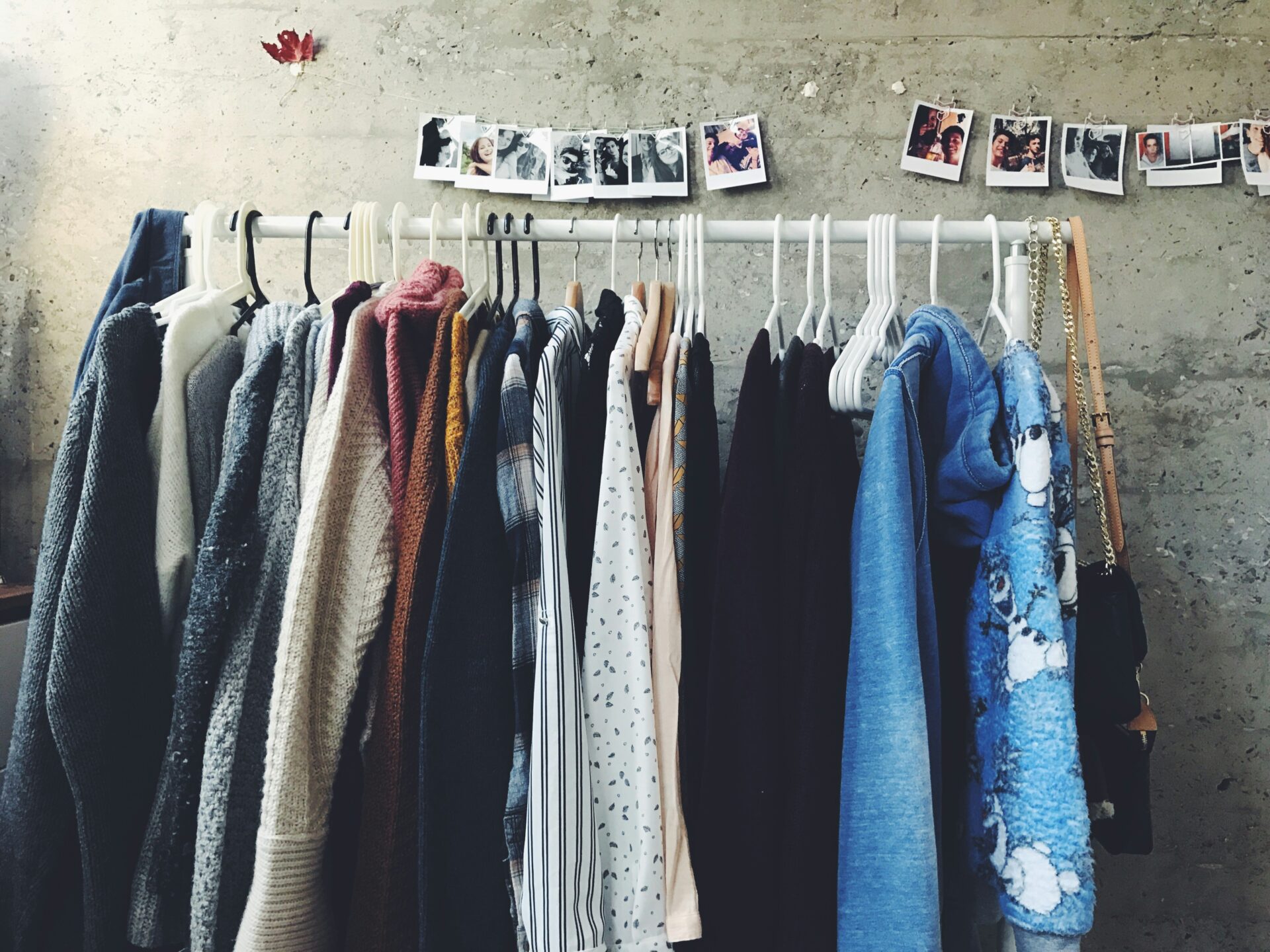
Clothing that’s too worn for resale or donation doesn’t have to go in the burnable trash. Most
Japanese municipalities run a separate collection for old clothes and fabric (古着・古布), usually
free of charge. In Nerima Ward, for example, residents bring clean clothes in a clear or
semi-transparent bag to designated collection points every Saturday morning, at no cost — wearable
items are resold as secondhand clothing, and the rest is processed into felt and industrial wiping
cloths. Rules vary by municipality (Bunkyo Ward, for instance, classifies clothing as a collection-point
resource item, with stained pieces going to burnable trash instead), so check your own ward or city’s
sorting guide before you toss anything in the regular trash.
Making Eco-Friendly Clothing Choices a Lifestyle
Start Small, Think Big
Begin with one closet section or seasonal items. Small actions create momentum for larger changes. Your individual effort contributes to Japan’s growing circular economy movement.
Choose Quality Over Quantity
Focus on well-made items that last longer and resell better. This approach supports both personal finances and environmental goals.
Build Community Connections
Eco-friendly clothing resale creates connections with your local community. Whether through neighborhood second-hand shops or online platforms, you’re participating in a network that values sustainability over consumption.
Your Next Steps
Ready to start your eco-friendly clothing resale journey? Here’s your action plan:
- Assess your closet – Identify items you haven’t worn in 12+ months
- Choose your method – Select stores or apps based on your clothing types
- Prepare items – Clean and photograph clothes properly
- Start selling – Begin with easy categories like basics or seasonal items
- Reinvest wisely – Use earnings for quality, sustainable purchases
Conclusion
Whether you donate, resell, or recycle, the goal is the same: keep clothing in use and out of
landfill. Start by sorting what you no longer wear into those three piles, then match each pile
to the option above that fits it best. Even one box sent to the right place is progress.