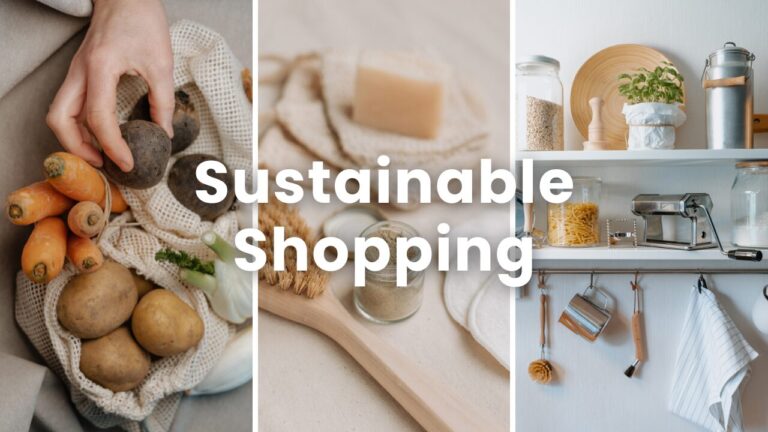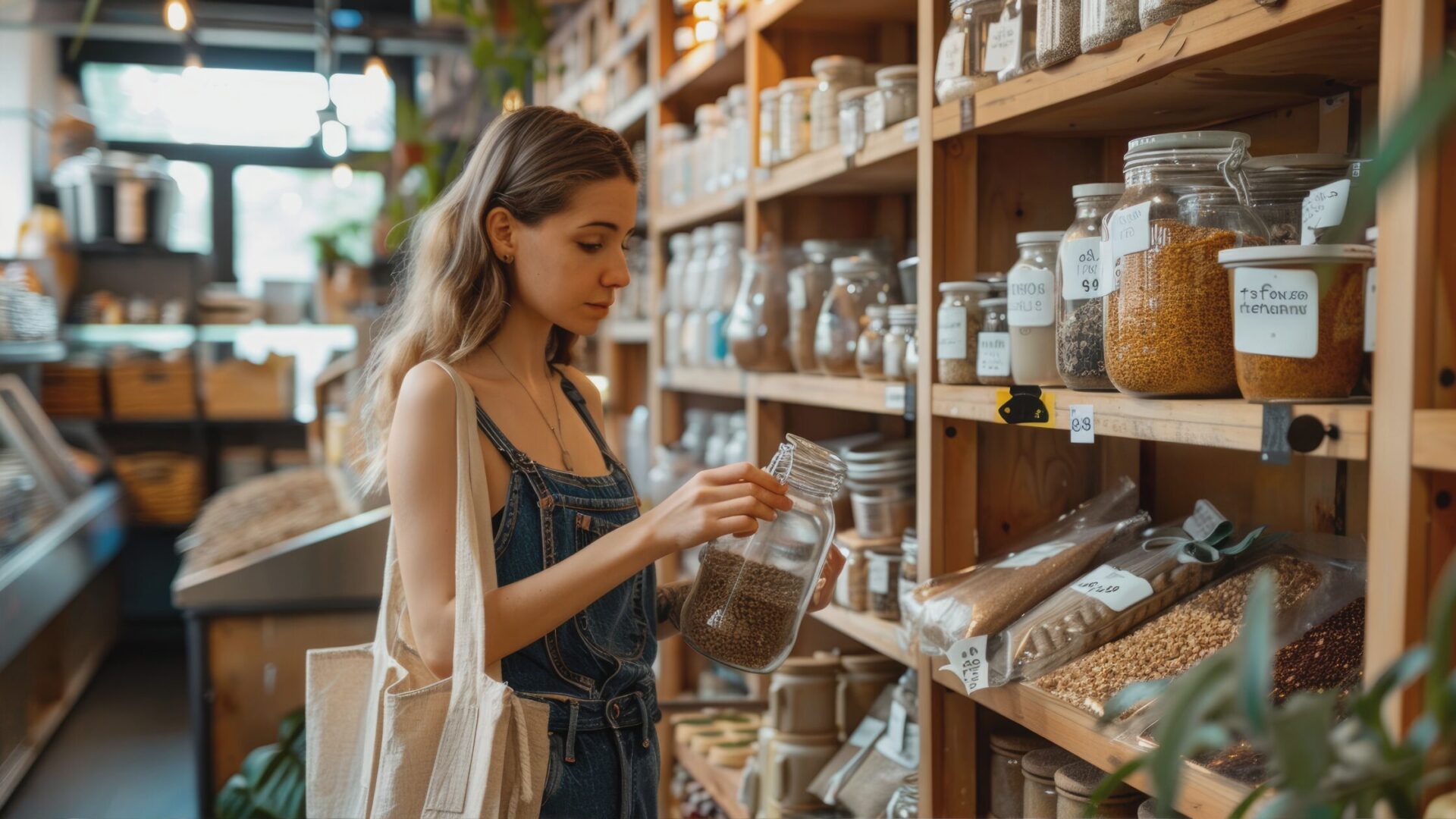

Buying vegetables at the supermarket often means getting more than you need, especially when you live alone. Plastic detergent bottles pile up, and throwing them away feels wasteful. You want to shop more sustainably, but figuring out where to start and which stores to use can feel overwhelming.
Many people are curious about bulk shopping and refill systems but haven’t taken that first step yet.
This guide organizes information about bulk and refill shops in Tokyo by category: food, alcohol, household goods, and candy. For each store, we explain what products they carry, how their system works, and who might find them useful.
You don’t need to try every shop, and you don’t need to decide right away. Use this as a reference to see if there’s a place that feels right for your lifestyle and values.
What We Looked For
The shops featured here were selected based on the following criteria. This isn’t a ranking—it’s a set of filters to help you compare options.
Selection criteria:
- Package-free sales — Products displayed without individual packaging
- Refill systems — The option to bring your own container and buy only the contents
- Sustainability practices — Officially stated environmental efforts such as encouraging reusable containers, reducing single-use packaging, or operating container-sharing systems
All information is based on official websites and public materials. When details were unavailable, we noted this clearly.
Food and Grocery Bulk Shops
1. HACARI — Nakameguro, Meguro Ward
HACARI is a vegetable shop in Nakameguro that sells produce directly from farms on a bulk basis. The company describes itself as “Japan’s only bulk vegetable shop.”
In addition to whole vegetables, they offer pre-cut portions—like a quarter of a cabbage—to suit smaller households. Produce is displayed without individual packaging, avoiding excess waste.
Best for: People living alone or in small households who find supermarket vegetable packs too large, and anyone looking to reduce food waste.
Specific product availability isn’t listed on the website, so check the shop or their social media before visiting.
Shop info:
 HACARI
2. Tsurukame Shoten — Kamiumama, Setagaya Ward
Located in Setagaya, Tsurukame Shoten specializes in bulk natural foods, dried goods, and spices. While the official site doesn’t include detailed mission statements, the shop operates with a community-focused approach centered on bulk sales and environmental care.
Their system emphasizes buying only what you need, with an approachable shop layout.
Best for: Anyone in the Setagaya area looking for an easy introduction to bulk shopping.
Product details and container policies aren’t listed online, so confirm before visiting.
Shop info:
Tsurukame Shoten
3. Harikiuri to Machi no Daidokoro Nono — Shimorenjaku, Mitaka City
Nono is a community space in Mitaka offering bulk sales of seasonings, dried goods, and household items, along with locally grown vegetables. The shop promotes “zero-waste shopping” and operates as a hub for regional circulation and environmental care.
They strongly encourage BYO (Bring Your Own) containers and have systems for lending containers and circulating reusable ones through local partnerships. Nearly all products are sold without individual packaging.
Best for: People committed to zero-waste living and those who enjoy conversational shopping experiences.
Containers are expected, though paper bags and jars can be purchased at the shop.
Shop info:
Harikiuri to Machi no Daidokoro Nono
4. Liten Refill Shop — Kajino-cho, Koganei City
Near Higashi-Koganei Station on the JR Chuo Line, Liten is a zero-waste specialty shop carrying food, household goods, and general items. The name “Liten” means “small” in Swedish, reflecting the concept of “reducing waste for a comfortable life.”
The shop offers bulk purchases across a wide range of products, both liquid and solid. They run a container donation system where customers can drop off washed and sterilized jars from home, which are then made available for others who forget to bring containers.
Products are selected based on organic, fair trade, and additive-free standards. Cleaning supplies use biodegradable ingredients.
Best for: People in the Koganei area who want plastic-free shopping, those looking to buy small amounts of high-quality organic food or cleaning products, and anyone seeking eco-conscious gifts or household items.
Containers (jars, storage bags, etc.) are recommended, and sealed containers are required for liquids. Operating hours may vary, so check the official site or social media before visiting.
Shop info:
5. Bio c’ Bon — Azabujuban, Nakameguro, Ebisu, Jiyugaoka, Nihombashi, and other Tokyo locations
Bio c’ Bon is a French organic supermarket chain with multiple locations across Tokyo. Their concept is “organic for everyday life” as an earth-friendly supermarket.
They have bulk corners offering nuts, dried fruit, chocolate, and other items by weight. Customers use scoops to fill paper bags themselves, reducing plastic packaging.
Best for: People who want to incorporate zero-waste practices gradually into regular shopping, or anyone wanting to buy small amounts of nuts and dried fruit.
The standard system uses provided paper bags. Policies on filling personal containers may vary by location, so check in-store (the official site primarily mentions using paper bags).
Shop info:
6. 85 (Hachigo) — Nihombashi Muromachi, Chuo Ward (COREDO Muromachi Terrace)
85 is a lifestyle shop in COREDO Muromachi Terrace focusing on fermentation, health, and environmentally conscious living.
In addition to fermented foods, organic cosmetics, and household goods, the shop has a bulk section. They sell food items like nuts and dried fruit, plus ecostore detergent refills. Detergents can be purchased in your own empty containers.
Best for: People who want to refill both food and household products (detergents) in one trip, or those looking for high-quality organic items suitable as gifts.
Container policies aren’t detailed on the website, so confirm before visiting.
Shop info:
85 (Hachigo) COREDO Muromachi Terrace
7. AKOMEYA TOKYO — Select locations
AKOMEYA TOKYO operates under the concept of “sharing good fortune,” offering carefully selected rice and specialty foods.
Some locations sell brown rice by weight and provide on-site milling services. You can buy rice by the kilogram and have it milled to your preferred degree (white rice, 70% polished, etc.). Instead of pre-packaged bags, rice is measured and milled after ordering, then provided in paper bags.
Not all locations offer this service—only shops with milling equipment. Check the store list on the official site for the “bulk rice” icon.
Shop info:
Alcohol Bulk Shops
8. Liquor Shop NIGHT OWL — Ebisu, Shibuya Ward
NIGHT OWL is a specialty liquor shop in Ebisu focused on draft-style bulk sales, with a reusable container system.
They offer bulk craft beer, cider, kombucha, sake, and more, primarily using growlers (pressurized reusable containers) for takeout. Rentals and containers for purchase are available if you don’t have one.
Best for: People who want to enjoy draft beer quality at home, and anyone tired of dealing with bottle and can disposal.
Shop info:
Liquor Shop NIGHT OWL
9. TAP&GROWLER — Shimokitazawa, Setagaya Ward
TAP&GROWLER is a craft beer bulk shop and beer bar in Shimokitazawa. Their concept is “craft beer for everyday life,” promoting growler culture—taking your favorite beer home.
They offer both on-site drinking and bulk takeout of domestic and international craft beers, using specialized equipment to fill growlers without losing carbonation. Reusable bottles are encouraged.
Best for: People who want authentic draft beer at home, and those seeking waste-free takeout options.
Shop info:
TAP&GROWLER
Household Goods (Detergent and Cosmetics) Bulk Shops
10. ecostore — Atre Ebisu and other retailers
Ecostore is a New Zealand home and body care brand built on the concept of products “kind to people and the planet.”
Some locations have refill stations for laundry detergent, dish soap, and other products. You can bring any clean empty bottle (including plastic bottles) and buy only what you need, reducing waste while saving money.
Retailers include Atre Ebisu and Three little song birds in Kokubunji.
Containers must have secure lids and be leak-proof. Labeling is sometimes recommended to avoid mixing with food containers.
Shop info:
ecostore
11. LUSH — Nationwide (retail stores and online)
LUSH is a fresh handmade cosmetics brand operating under the slogan “Fresh Handmade Cosmetics.” Their principles include opposition to animal testing, 100% vegetarian products, and ethical sourcing.
They sell soap, bath bombs, skincare, and haircare products, with some locations offering spa treatments.
Products display production dates and maker illustrations, emphasizing freshness.
Ingredients minimize synthetic preservatives, favoring organic and fair trade materials.
Best for: People who want their purchasing choices to support social causes and environmental protection, and those who prioritize ingredient origin and freshness.
Some products have short expiration dates or require refrigeration due to the use of fresh ingredients.
Shop info:
Candy Bulk Shops
12. CANDY・A・GO・GO — Harajuku, Shibuya Ward, and other locations
CANDY・A・GO・GO is a candy and gummy bulk shop centered in Harajuku. The concept is a “candy wonderland,” featuring colorful sweets from around the world.
They offer pick-and-mix bulk sales of over 100 types of candy, gummies, and chocolates—fill your bag with whatever you want. The shop embodies Harajuku culture with vibrant interiors and costumed staff, creating an entertainment experience.
Best for: People who want a visually engaging candy-shopping experience and those seeking a distinctly Harajuku vibe.
Shop info:
Preparing for Your First Bulk or Refill Shop Visit
If you’re new to bulk and refill shopping, these preparations will help:
Containers: Most shops encourage BYO (Bring Your Own). Clean glass jars, food containers, or resealable bags from home work well. For liquids, choose containers with tight-fitting, leak-proof lids.
If you don’t have containers: Some shops provide paper bags, lend containers, offer reusable containers, or sell containers. Policies vary, so check the website or social media beforehand.
Container hygiene: Wash containers thoroughly and dry them completely before bringing them in. Shops may refuse to fill containers with residue or moisture for sanitation reasons.
Check hours and days: Bulk specialty shops sometimes change their schedules. For first visits especially, verify current operating hours on the shop’s website or social media.
Ask questions: If you’re unsure about the bulk system, how to use containers, or how to choose products, ask staff. Most shops are set up to help first-time customers.
Related article: Sustainable Food Storage Solutions in Japan: Your Guide to Eco-Friendly Alternatives
Finding What Works for You
We’ve introduced 12 bulk and refill shops across Tokyo.
From food to household goods, alcohol to candy, the range of products, shop atmospheres, and environmental practices varies widely. Some require containers; others provide paper bags. Some are small neighborhood shops; others are national chains.
What matters isn’t “which shop is best” but “how can I fit this into my life?”
A shop on your commute might be easier to use regularly. Visiting a farther location on weekends could become a special shopping ritual. If preparing and carrying containers feels inconvenient, starting with paper-bag shops is a valid choice.
Deciding “this isn’t for me right now” is also a legitimate decision. There’s no need to force it, and no need to rush.
If this guide helps you find a comfortable first step, that’s enough.