
Sustainable food. You’ve probably encountered this term while scrolling through social media, reading wellness blogs, or browsing your local grocery store. But if you’re like most people, you might dismiss it as something reserved for affluent environmentalists or guilt yourself for not doing enough.
Here’s the truth: sustainable food isn’t an exclusive club requiring a trust fund and a degree in environmental science. It’s simply a more thoughtful approach to the everyday question of what to eat—one that considers the wellbeing of our planet, our communities, and ourselves. And the best part? You can start making meaningful changes today without overhauling your entire life or budget.
Let’s explore what sustainable food really means, why it matters now more than ever, and most importantly, how you can incorporate it into your life without the overwhelm.
Understanding Sustainable Food: Beyond the Buzzwords
At its core, sustainable food represents a way of eating that doesn’t compromise the ability of future generations to feed themselves. It’s about creating a food system that works with nature rather than against it, supports the people who grow our food, and nourishes our bodies properly.
The Four Pillars of Sustainable Eating
Sustainable eating rests on four fundamental principles that anyone can understand and apply:
Shifting What’s on Your Plate
This doesn’t mean going vegan overnight. It simply means reconsidering the balance of foods we eat. The current Western diet relies heavily on red meat and dairy, which require enormous amounts of land, water, and feed to produce. By gradually shifting toward plant-based proteins—think beans, lentils, chickpeas, and nuts—we can dramatically reduce our individual environmental footprint. Studies show that replacing just one beef-based meal per week with a plant-based alternative can save the equivalent emissions of driving 348 miles in a car.
Wasting Less Food
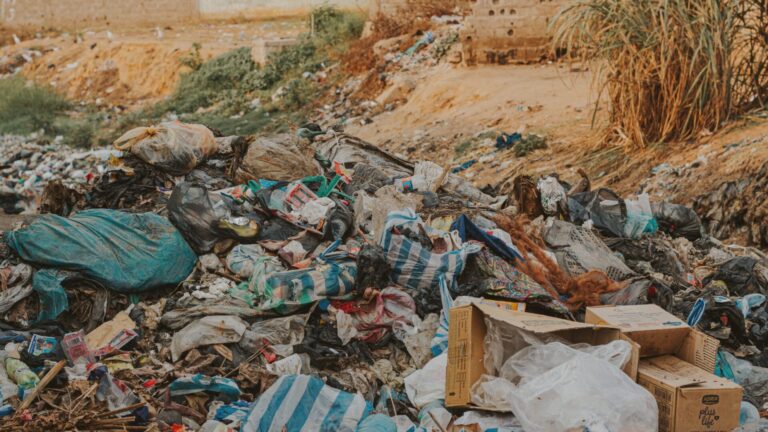
Here’s a staggering fact: roughly 25-30% of all food produced globally never gets eaten. When food decomposes in landfills, it produces methane, global food loss and waste are estimated to be responsible for 8–10% of total anthropogenic greenhouse gas emissions. By simply planning meals better, storing food properly, and getting creative with leftovers, you’re not just saving money—you’re actively fighting climate change.
Embracing What’s Nearby and in Season
Your grandmother probably knew this instinctively: eating what grows locally and in season just makes sense. These foods haven’t traveled thousands of miles in refrigerated trucks, they haven’t required heated greenhouses in winter, and they usually taste better because they’re harvested at peak ripeness. This approach also keeps money in your local economy and preserves regional food traditions that might otherwise disappear.
Supporting Regenerative Agriculture
Modern industrial agriculture has depleted soil quality worldwide, but a growing movement of farmers is working differently. Regenerative agriculture, conservation farming, and agroforestry are methods that actually improve soil health, sequester carbon, and increase biodiversity. When you support these producers, you’re investing in farming that gives back more than it takes.
Decoding the Labels: Organic, Ethical, and Local
Walk down any grocery aisle today and you’ll encounter a confusing alphabet soup of labels. Let’s clarify what they actually mean for sustainability:
Organic focuses primarily on environmental protection. Certified organic products minimize synthetic pesticides and fertilizers, which protects soil health, reduces water pollution, and preserves biodiversity. While organic isn’t automatically sustainable (you can still have organic monocultures shipped across continents), it generally represents a less chemically intensive approach that’s better for ecosystems.
Ethical certifications address the human side of food production. Fair trade labels ensure farmers receive living wages. Animal welfare certifications mean livestock are raised in humane conditions with adequate space and natural behaviors. These considerations matter because true sustainability must include the wellbeing of everyone involved in the food system, not just environmental metrics.
Local isn’t usually certified, but it’s one of the most practical sustainability choices you can make. When you buy from farmers’ markets or regional producers, you’re reducing “food miles”—the distance your food travels from farm to fork. You’re also cutting out middlemen, meaning more of your money goes directly to the people growing your food. Local eating naturally aligns with seasonal eating, which requires less artificial climate control and storage.
The most sustainable choice often combines these approaches: local, seasonal food produced using organic or regenerative methods that ensure fair treatment of workers and animals.
Related article: Organic vs. Additive-Free: A Complete Guide for Sustainable Living in Japan
Why Your Food Choices Matter More Than You Think
The Hidden Environmental Cost of Our Plates
Most people understand that driving less or using renewable energy helps the environment. What’s less obvious is that our food system is responsible for 21-37% of all human-caused greenhouse gas emissions—rivaling transportation and industry.
Agriculture consumes approximately 70% of the world’s freshwater, often in regions already experiencing water scarcity. Chemical fertilizer runoff creates “dead zones” in oceans where nothing can survive. The expansion of farmland, particularly for livestock grazing and animal feed crops, drives deforestation in critical ecosystems like the Amazon rainforest.
These aren’t abstract problems. They’re measurably degrading the systems that support all life on Earth, including our own.
How Climate Change Is Coming Back to Our Tables
Environmental destruction doesn’t just flow in one direction. Climate change is already disrupting food production worldwide, and it’s accelerating.
Rising temperatures, unpredictable rainfall, and extreme weather events are reducing yields of staple crops like wheat, corn, and rice. Paradoxically, while increasing atmospheric CO2 might boost crop growth in some cases, it actually reduces the nutritional content of those crops—meaning the same serving of food provides less protein, zinc, and iron than it did decades ago.
When harvests fail or decrease, food prices spike. This hits low-income families hardest, creating a vicious cycle where the people who contributed least to climate change suffer its effects most severely. We’re already seeing this play out in food price volatility over recent years.
Here’s perhaps the most troubling contradiction: while 821 million people worldwide don’t have enough to eat, 2 billion adults are overweight or obese. We simultaneously produce too much and too little food, wasting 25-30% of everything we grow while people go hungry. The greenhouse gases from that wasted food alone account for 8-10% of human emissions.
The Personal Health Connection You Can’t Ignore
Sustainable food isn’t just an environmental cause—it’s deeply personal.
Declining crop nutrition means we need to eat more food to get the same nutrients our grandparents got from smaller portions. Rising temperatures promote the growth of dangerous mold toxins and food-borne pathogens, threatening food safety. Areas with limited access to fresh, healthy food—called “food deserts”—are expanding, particularly in low-income communities and rural areas.
But here’s the encouraging part: the dietary changes that benefit the planet also benefit human health. Research shows that adopting a plant-forward diet reduces risk of heart disease, type 2 diabetes, certain cancers, and obesity. People who follow vegan diets can cut their personal greenhouse gas emissions by up to 75% while likely improving their health outcomes.
This isn’t about sacrifice. It’s about alignment between what’s good for you and what’s good for the planet.
The Sustainable Food Landscape: What Are Your Options?
Plant-Based Proteins: The Foundation of Sustainable Eating
You don’t need to become vegetarian or vegan to eat sustainably, but increasing plant-based proteins in your diet is one of the most impactful changes you can make.
Legumes—beans, lentils, chickpeas, peas—are nutritional powerhouses packed with protein, fiber, and essential minerals. Nuts and seeds provide healthy fats and protein. Whole grains like quinoa, farro, and brown rice offer protein along with complex carbohydrates. Together with vegetables and fruits, these foods form the basis of what researchers call the “Planetary Health Diet”—a way of eating that could feed 10 billion people sustainably by 2050.
Innovation on Your Plate: Next-Generation Alternatives
Food technology is creating new options that didn’t exist a decade ago.
Plant-based meat alternatives have improved dramatically. Companies like Beyond Meat and Impossible Foods create products that mimic the taste and texture of meat using ingredients like pea protein, potato starch, and coconut oil. These alternatives reduce greenhouse gas emissions by 30-90% and water use by 72-99% compared to conventional meat, while providing similar protein content.
Cultivated meat—real meat grown from animal cells without raising and slaughtering animals—is moving from laboratories to commercial production. While still expensive, it promises to provide meat with a fraction of the environmental impact.
Even more futuristic options are emerging. Insect protein, already eaten by billions of people in Asia, Africa, and Latin America, requires minimal water and land while providing complete protein. Algae and mushroom-based proteins are being developed as highly sustainable options that can be grown in controlled environments.
The Role of Sustainable Animal Products
Complete elimination of animal products isn’t necessary or realistic for everyone. The key is thoughtful selection.
Sustainable seafood programs help you choose fish species that aren’t overfished and are caught using methods that minimize environmental damage. Look for certifications from the Marine Stewardship Council or Monterey Bay Aquarium’s Seafood Watch program.
For meat and dairy, regenerative agriculture and holistic grazing practices can actually improve soil health and sequester carbon. Small-scale, pasture-raised operations often have dramatically different environmental impacts than industrial feedlots. These products typically cost more, which naturally encourages eating them in moderation—exactly the approach most health experts recommend.
Breaking the Myth: Sustainable Eating Isn’t Just for the Privileged
If you’ve felt intimidated by sustainable eating because it seems expensive or complicated, you’re not alone. But that perception often doesn’t match reality.
Local Food: Your Budget-Friendly Gateway to Sustainability
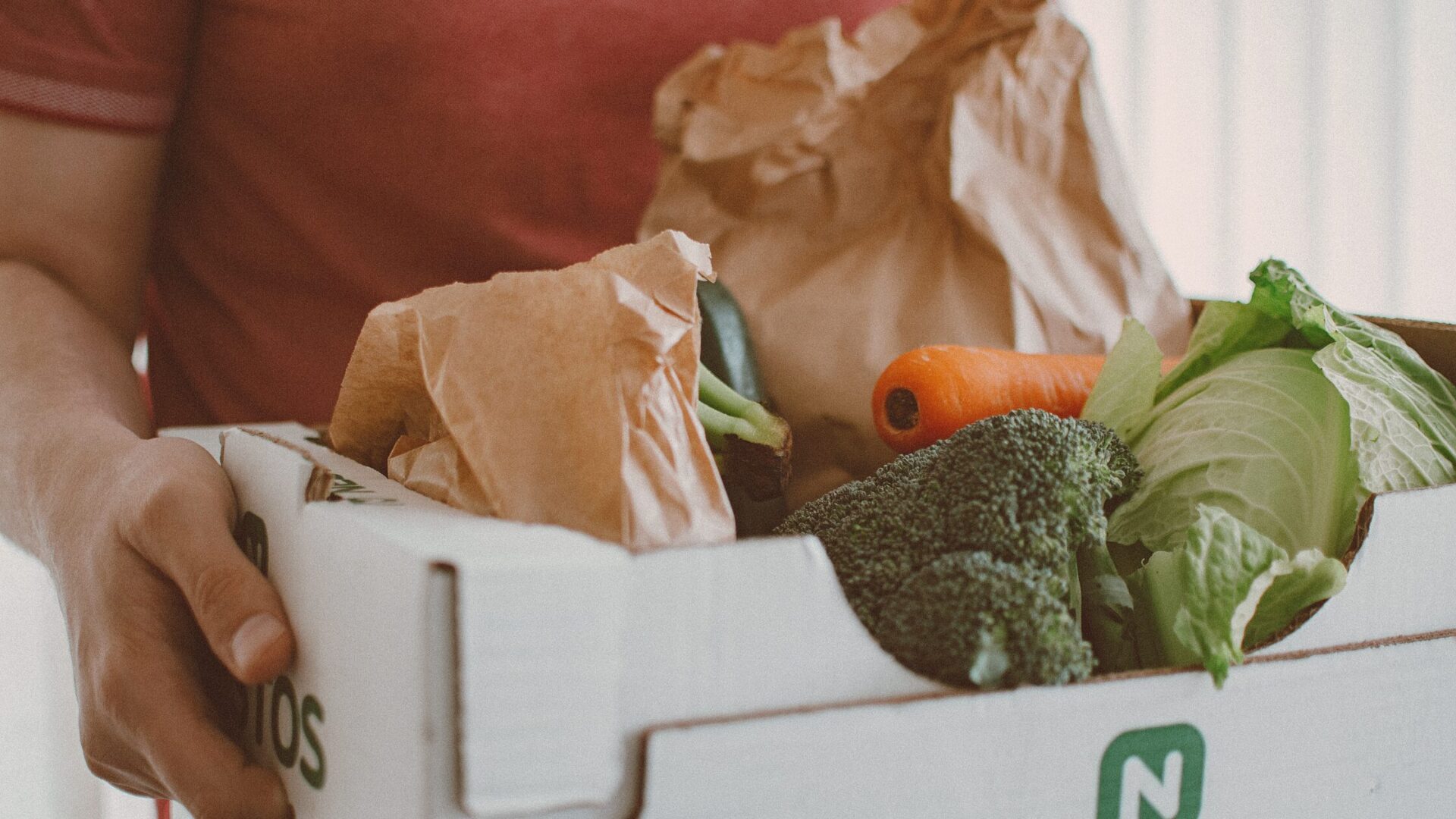
Shopping at farmers’ markets or buying directly from local farms often costs less than you’d think, especially when foods are in season. Without packaging, marketing, and multiple layers of distribution, prices can be surprisingly affordable. You’re also getting food at peak freshness, which means less waste from spoilage.
Many communities have Community Supported Agriculture (CSA) programs where you can buy a share of a farm’s harvest for the season, often at prices competitive with supermarkets but with much higher quality and variety.
Even small changes add up. Try replacing meat with beans in one or two meals per week. Choose whatever produce is on sale—it’s usually what’s in season locally. Cook at home more often using simple whole ingredients. None of these actions require a big budget.
The Power of Small, Consistent Changes
Perfectionism is the enemy of progress with sustainable eating. You don’t need to transform your entire diet overnight or achieve some ideal of purity.
Start with “Meatless Monday” or whatever day works for you. Learn to cook one new plant-based recipe per month. Buy one item from the farmers’ market when you’re there anyway. Reduce your food waste by planning meals around what you already have.
Every choice matters. When you buy something, you’re voting with your wallet for the kind of food system you want. Multiplied across millions of consumers, these small decisions reshape markets and incentivize producers to adopt better practices.
Rethinking Abundance: What We Gain by Eating Sustainably
Our culture often equates abundance with endless choice and availability—strawberries in January, exotic ingredients flown in from around the world, meat at every meal. But this version of abundance comes with hidden costs that are becoming harder to ignore.
True abundance might look different. It might mean eating tomatoes that actually taste like something because they’re grown locally in season. It might mean knowing the farmer who grew your vegetables and feeling connected to your food supply. It might mean better health, lower medical bills, and a cleaner environment for your children.
When you choose to support environmentally responsible producers, you’re not just buying food—you’re building a more resilient food system that benefits everyone. As more consumers make these choices, it becomes easier and more affordable for others to do the same. Your individual decisions contribute to systemic change.
Sustainability isn’t restriction. It’s about being intentional with your choices, understanding their impact, and aligning your daily habits with your values. That’s a new kind of abundance—one based on quality, connection, and sufficiency rather than mindless excess.
Your First Steps Toward Sustainable Eating
Ready to begin? Here are practical starting points:
This Week: Assess your food waste. Notice what you throw away and why. This awareness alone often reduces waste by 20-30%.
This Month: Replace one or two meat-based meals per week with plant-based alternatives. Experiment with lentil tacos, chickpea curry, or bean chili. Focus on making them delicious, not virtuous.
This Season: Visit a farmers’ market or farm stand in your area. Talk to the growers. Buy whatever looks good and is in season. Try something you’ve never cooked before.
Ongoing: Gradually shift the balance of your plate toward more plants, less meat, and fewer processed foods. Learn to cook a few go-to sustainable meals that you actually enjoy.
Remember, sustainable eating isn’t about achieving perfection—it’s about making progress. Every plant-forward meal matters. Every piece of food saved from the trash matters. Every dollar you spend with sustainable producers matters.
The question isn’t whether you can do everything right, but whether you’re willing to do something better. And the answer to that question is entirely in your hands—or rather, on your plate.