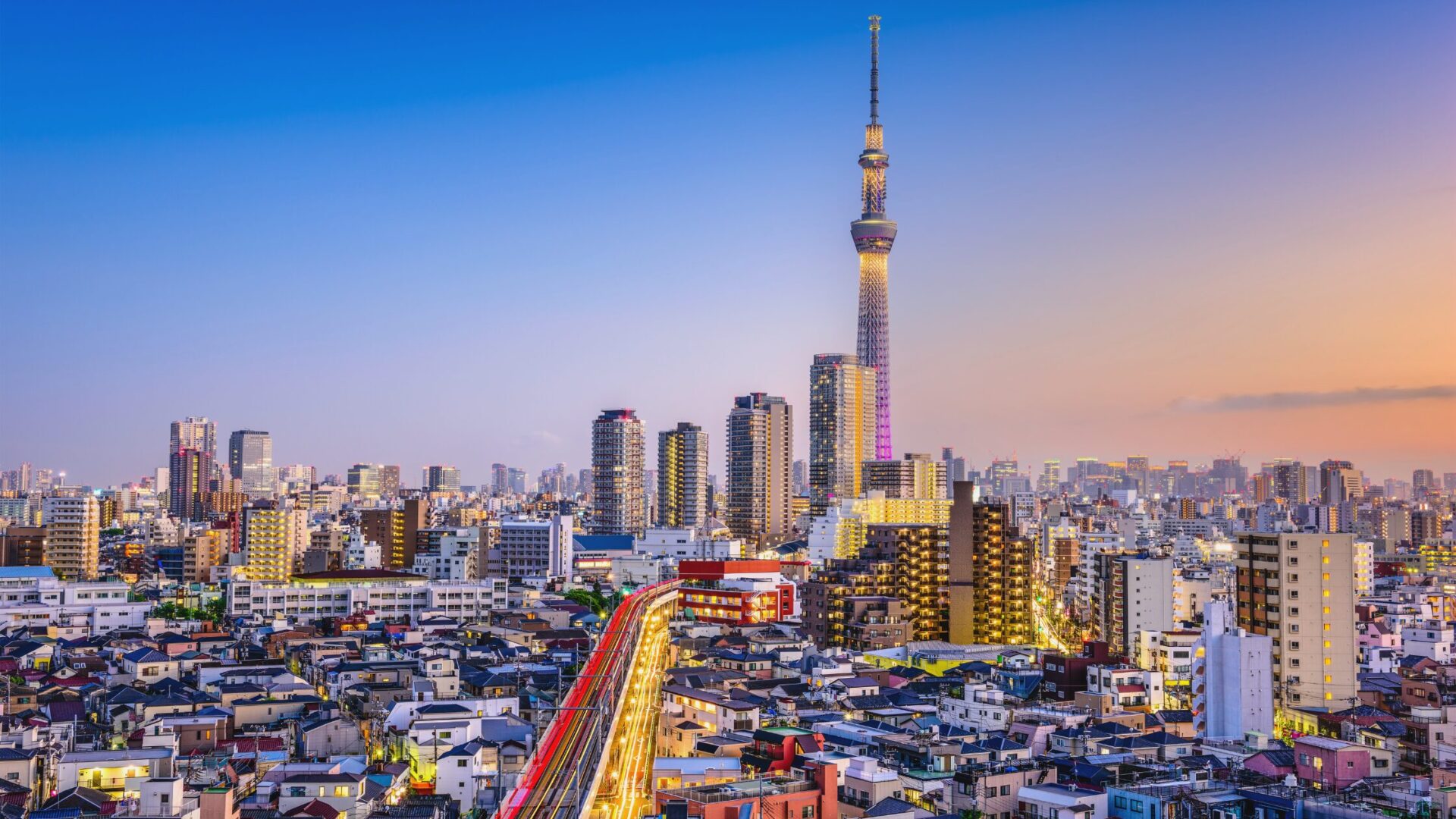

When you want to stay at a sustainable hotel, have you ever felt uncertain about what criteria to use when choosing one?
Even when a property claims to be “environmentally friendly,” it can be difficult to see the evidence behind such statements or to judge how seriously they’re committed to these efforts. Choosing where to stay—even for just one night—is connected to various impacts, including water and energy usage, amenity waste, and engagement with the local community.
This article focuses on hotels in Tokyo that have obtained international certifications from private third-party organizations, or facilities that disclose their initiatives in relatively detailed ways on their official websites.
I’ve compiled this information so you can compare options while thinking about what matters most to you.
*Note: The information in this article is primarily based on publicly available information from 2024. Since many certifications require renewal, please check each hotel’s official website for the latest certification status and current initiatives.
Criteria for Selecting Hotels in This Article
Our editorial team selected hotels based on the following perspectives:
Third-Party Certification Status
Hotels that have obtained and publicly disclosed certification programs for accommodations, such as “Sakura Quality An ESG Practice” (a GSTC-approved standard for lodging facilities), the internationally recognized environmental certification “Green Key,” and “Eco Mark (Hotels and Inns)” operated by the Japan Environment Association.
Transparency of Information Disclosure
When using terms like “sustainable” or “eco,” does the hotel provide supporting evidence such as specific certification names, evaluation details, or numerical targets?
Amenity and Resource Management Policies
Does the hotel clearly state specific operational measures such as eliminating or reducing disposable amenities, recycling efforts, or going paperless?
Consideration for Local Communities and Supply Sources
Does the hotel publicly share social and economic initiatives such as participation in local events, farm-to-table practices, or adoption of fair trade products?
This information is primarily based on first-hand sources such as official websites and press releases that were available at the time of writing.
Related article: Green Key Certified Hotels: A Traveler’s Guide to Sustainable Stays in Japan
9 Sustainable Hotels in Tokyo
1. karaksa hotel TOKYO STATION


Location: Yaesu
Sustainability Initiatives:
karaksa hotels, operated by the Xymax Group, has achieved the “3 Gyoiko Sakura” rating under “Sakura Quality An ESG Practice” for all six of its hotels as of March 2024. This certification is a program developed by the Japan Tourism Quality Certification Association for lodging facilities. It incorporates SDGs principles and uses 172 evaluation criteria (covering environmental consideration, community contribution, and governance). It’s recognized as a program aligned with international standards set by GSTC (the Global Sustainable Tourism Council).
Features:
Located within a 5-minute walk from Tokyo Station and approximately 58 minutes from Narita Airport via Narita Express, this hotel offers excellent access. It features Japanese-style rooms and connecting rooms that can accommodate up to six people, making it suitable for family travel. The hotel provides free WiFi and a 24-hour front desk, with clean rooms and friendly staff receiving high praise.
Price Range: Mid-range
Best For:
Those who value certifications based on GSTC-approved international standards, travelers looking for hotels operated under unified group-wide policies, families seeking well-located accommodations near Tokyo Station


Book here
Ikkyu
 Yahoo!Travel
Rakuten Travel
Yahoo!Travel
Rakuten Travel
2. mesm Tokyo, Autograph Collection


Location: Takeshiba/Hamamatsucho
Sustainability Initiatives:
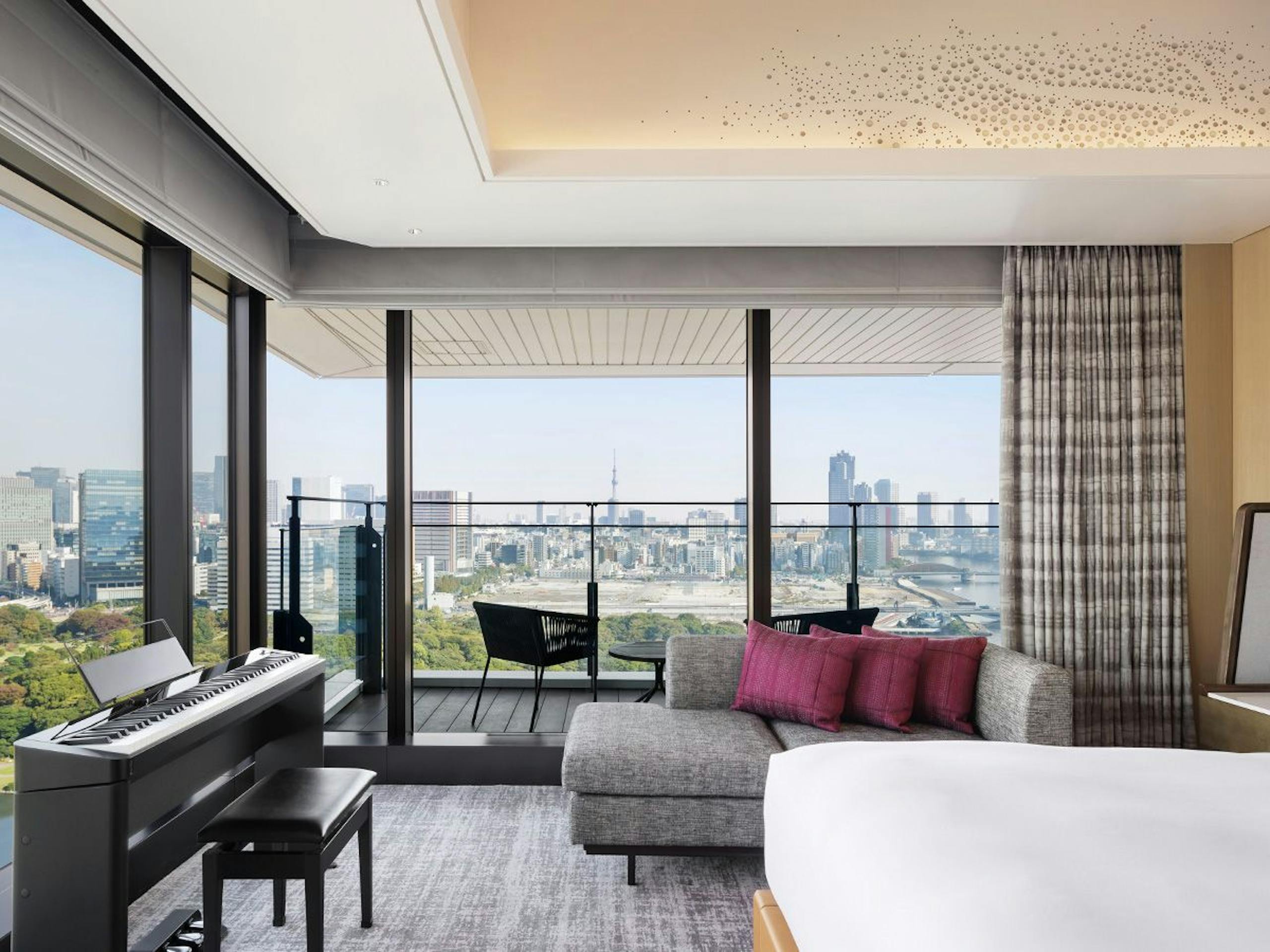
A Marriott International brand hotel that obtained “Sakura Quality An ESG Practice (4 Gyoiko Sakura)” in September 2024 and the international environmental certification “Green Key” in December 2024. As a hotel holding both certifications simultaneously, it gained attention as the first domestic hotel to achieve this “double certification” when awarded in December 2024. In-room information has been digitized through tablets to achieve a paperless approach, and as part of plastic reduction efforts, the hotel has announced plans to eliminate permanent toothbrushes from guest rooms by the end of March 2026.
Features:
Located 6 minutes on foot from Hamamatsucho Station in WATERS takeshiba, the hotel features an impressive lobby overlooking Hamarikyu Gardens. This urban luxury hotel integrates fashion, art, and technology with modern design, offering a fitness center, 24-hour front desk, and free WiFi. English-speaking staff are always available, creating an environment that easily accommodates international guests.
Price Range: High-end
Best For:
Those seeking validation through multiple international certifications, travelers who want hotels with specific timelines for paperless initiatives and amenity reduction, guests who enjoy modern design and urban atmosphere

Book here
Ikkyu Expedia
Yahoo!Travel
Rakuten Travel
Expedia
Yahoo!Travel
Rakuten Travel
3. The Westin Tokyo


Location: Ebisu
Sustainability Initiatives:
Also a Marriott International brand, this hotel has obtained “Green Key” certification. It has implemented the “Winnow Waste Monitor,” an AI camera-based food waste monitoring system, to reduce food loss. According to official announcements, the hotel’s waste recycling rate has reached over 80%.
Features:
Directly connected to Ebisu Station with exceptional access, some rooms offer views of Tokyo Tower. The hotel features a fitness center, restaurant, bar, and lounge, with 24-hour room service available. Guest rooms are equipped with the highly-rated Heavenly Bed, flat-screen TVs, and free WiFi as standard amenities, offering comfort suitable for an average 5-day stay.
Price Range: High-end
Best For:
Those who value environmental performance demonstrated through numbers such as food loss reduction and recycling rates, travelers considering extended stays in the Ebisu area
Points to Consider:
Details about the scope of the 80% recycling rate (whether it applies to all waste or specific categories), the year of measurement, and calculation methods were not confirmed in official announcements. Additionally, the “recycling rate” published by Japanese hotels may include thermal recycling (heat recovery during incineration), which differs from material recycling emphasized in Europe and other regions.

Book here
Ikkyu
Expedia
Yahoo!Travel
Rakuten Travel
4. Aloft Tokyo Ginza
Location: Ginza
Sustainability Initiatives:
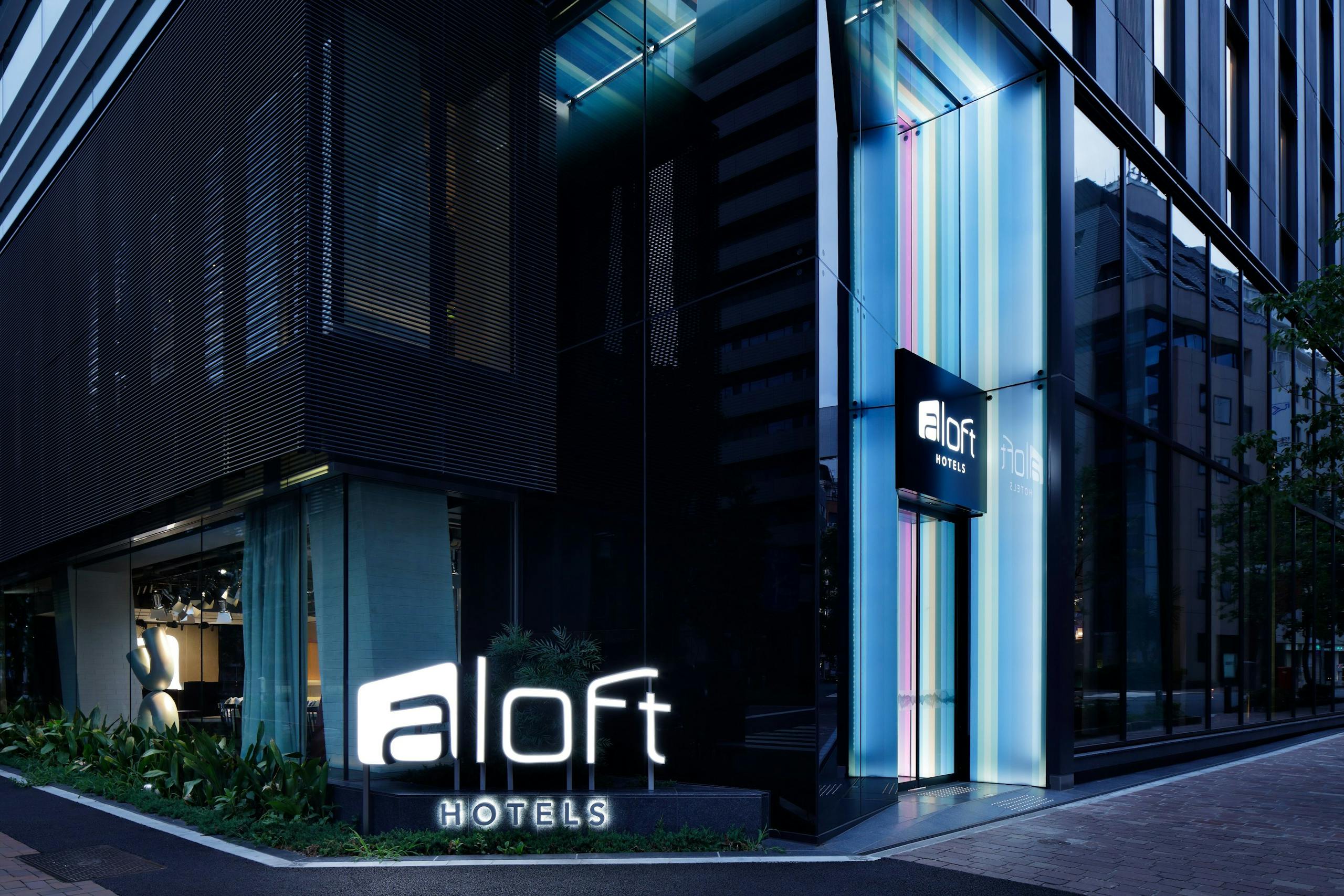
A Marriott property with “Green Key” certification. The official website indicates a policy to limit individually packaged amenities to approximately five items and adoption of toilet paper made from environmentally conscious materials such as recycled paper.
Features:
Located in the heart of Ginza, just minutes from Ginza and Higashi-Ginza stations, and close to the Tokyo International Forum. The hotel offers a 24-hour gym, rooftop terrace, and regular live music events (Live@Aloft) for an active stay experience. Guest rooms feature 55-inch 4K TVs and walk-in showers, with free WiFi throughout. The location provides excellent access to shopping and dining areas.
Price Range: Mid to high-end
Best For:
Those who appreciate specific reduction policies such as limiting amenity items, travelers who value the balance between location and price range, guests who want to enjoy shopping and dining in Ginza


Book here
Ikkyu
Expedia
Yahoo!Travel
Rakuten Travel
5. Tokyo Marriott Hotel


Location: Shinagawa
Sustainability Initiatives:
Obtained “Sakura Quality An ESG Practice (4 Gyoiko Sakura).” The official website states that the hotel was recognized for introducing environmentally conscious amenities made from wood and bamboo, as well as actively participating in local events such as the Shinagawa Shrine Festival.
Features:
Located in the Shinagawa area, close to the Meguro River cherry blossom-lined path and Toyosu Market, with complimentary station shuttle service. The hotel features restaurants including Lounge and Dining G, cafés, and a relaxed atmosphere with garden views. Equipped with free WiFi, an on-site convenience store, terraces, and facilities suitable for extended stays.
Price Range: High-end
Best For:
Those who value community engagement such as collaboration with local events, travelers who want to relax while enjoying garden views in the Shinagawa area


Book here
Ikkyu Expedia
Yahoo!Travel
Rakuten Travel
Expedia
Yahoo!Travel
Rakuten Travel
6. SORANO HOTEL

Location: Tachikawa
Sustainability Initiatives:
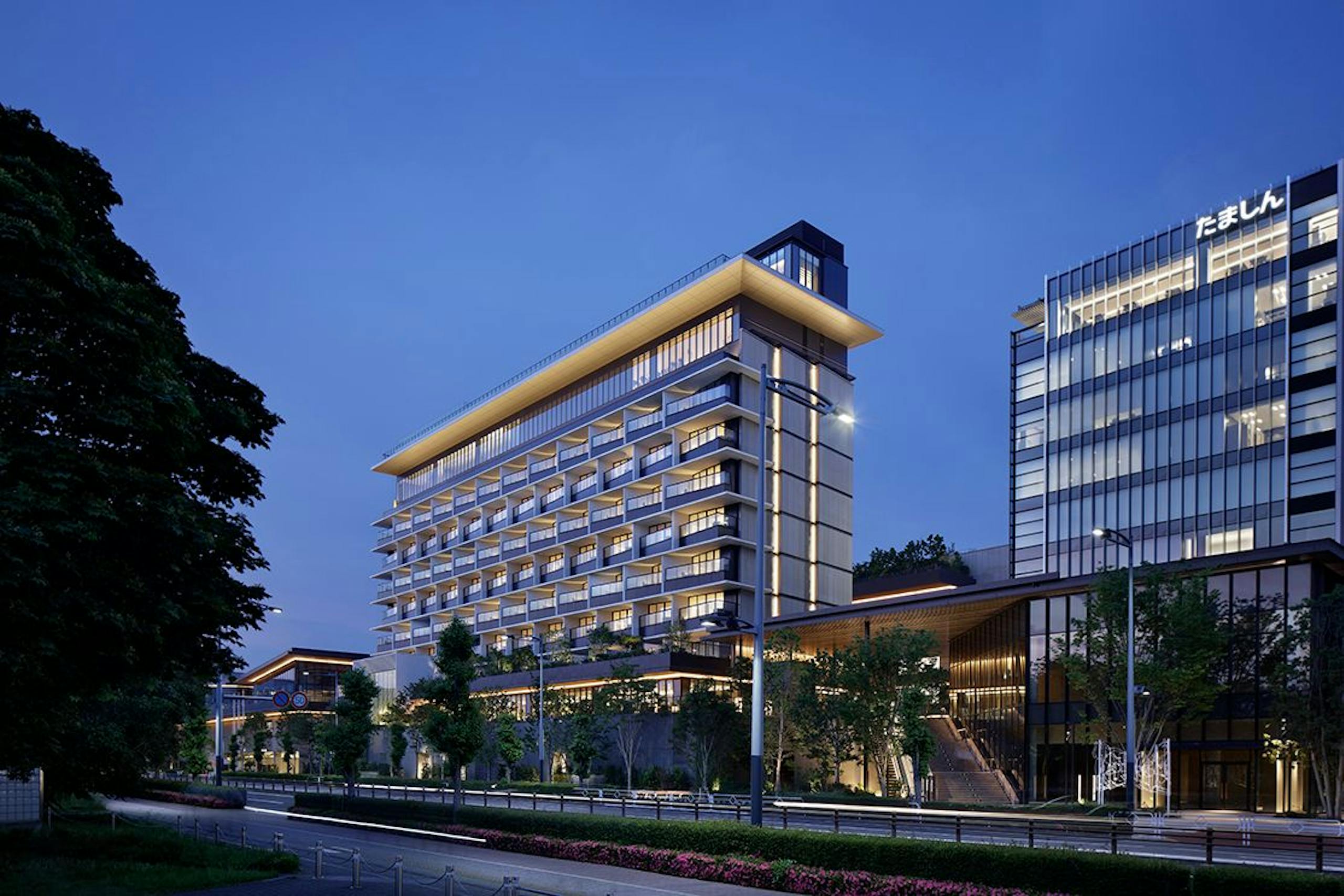
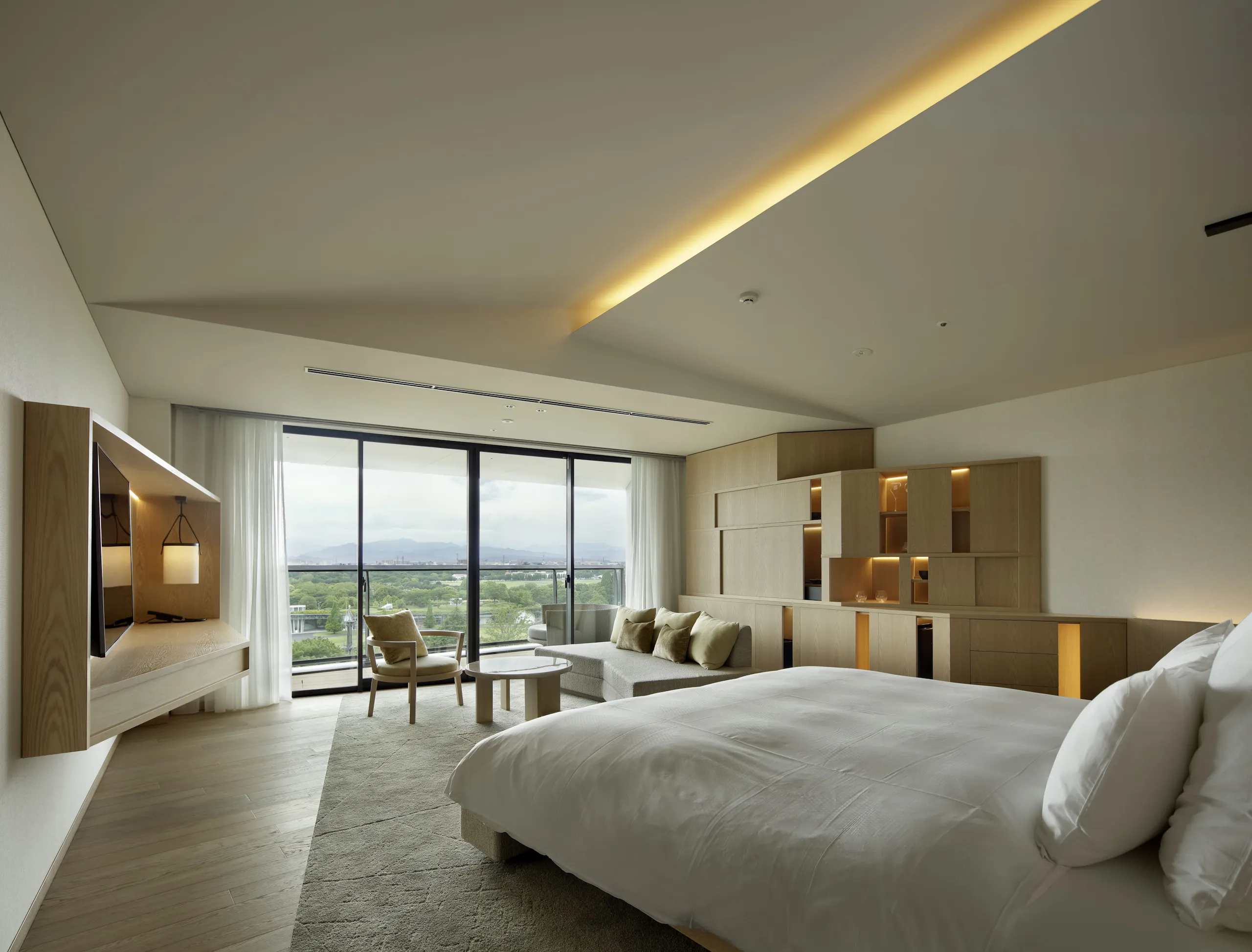
Clearly states an “amenity elimination” policy, not providing disposable toothbrushes and other amenities in rooms and encouraging guests to bring their own. As of 2024, all guest room towels are fair trade certified cotton towels by “Hotman,” a towel manufacturer from Ome, Tokyo. The hotel also uses recyclable urethane mattresses and publishes detailed procurement and disposal standards on its official website.
Features:
Located in Tachikawa City in the Tama area, 5 minutes on foot from Showa Memorial Park and Green Springs shopping mall. The hotel features spacious rooms with balconies offering views of Mount Fuji, along with a fitness center, bar, restaurant, free WiFi, and parking. Pets are welcome, allowing for a relaxing stay in a nature-rich area away from the city center.
Price Range: Mid-range
Best For:
Those who support complete elimination of disposable amenities, travelers who value fair trade products and partnerships with local businesses, guests seeking a natural environment away from the urban bustle, travelers with pets

Book here
Ikkyu/a> Expedia
Yahoo!Travel
Rakuten Travel
Expedia
Yahoo!Travel
Rakuten Travel
7. Super Hotel Premier Ginza (and other Tokyo locations)

Location: Higashi-Ginza
Sustainability Initiatives:
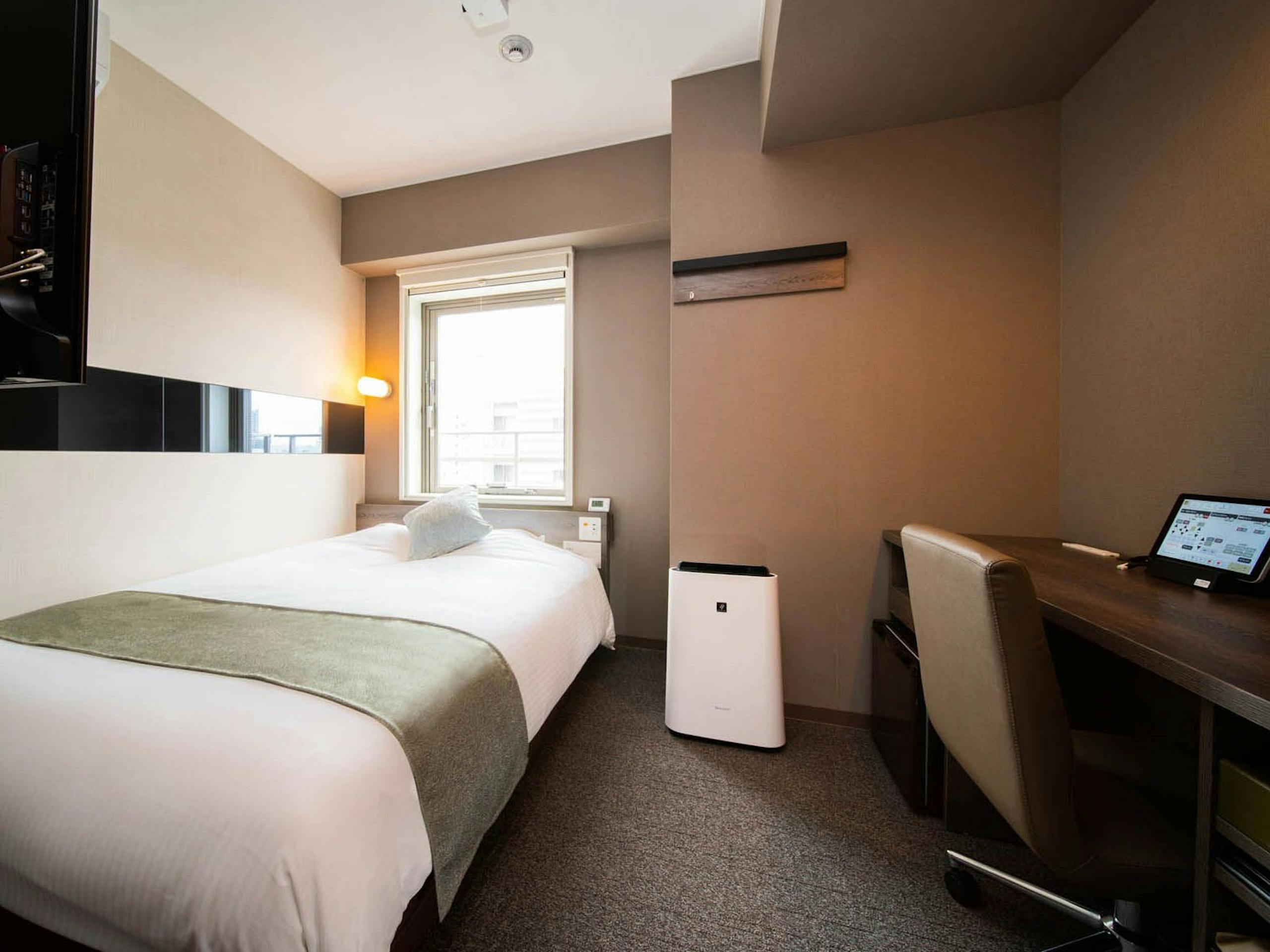
According to the official website, the hotel has received “Eco Mark (Hotels and Inns)” certification operated by the Japan Environment Association (as of 2024). The official website states that the hotel embraces “Lohas” as its concept, using environmentally conscious materials in interior design and offering breakfasts featuring organic vegetables and locally sourced menu items.
Features:
Located 4 minutes on foot from Ginza Station, near Higashi-Ginza Station in central Ginza, yet features natural hot springs sourced directly from Oku-Yugawara and massage rooms. The hotel offers free WiFi, rooms with soundproof walls, deep bathtubs, and electronic bidets. Highly rated for cleanliness and location, it provides a fulfilling stay at an affordable price.
Price Range: Low to mid-range
Best For:
Those who value certifications from Japanese public organizations, travelers interested in food initiatives such as farm-to-table and organic vegetables, budget-conscious travelers seeking sustainable options, guests who want to enjoy hot springs in Ginza
Book here
Ikkyu
Expedia
Yahoo!Travel
Rakuten Travel
8. Imperial Hotel Tokyo
Location: Hibiya
Sustainability Initiatives:
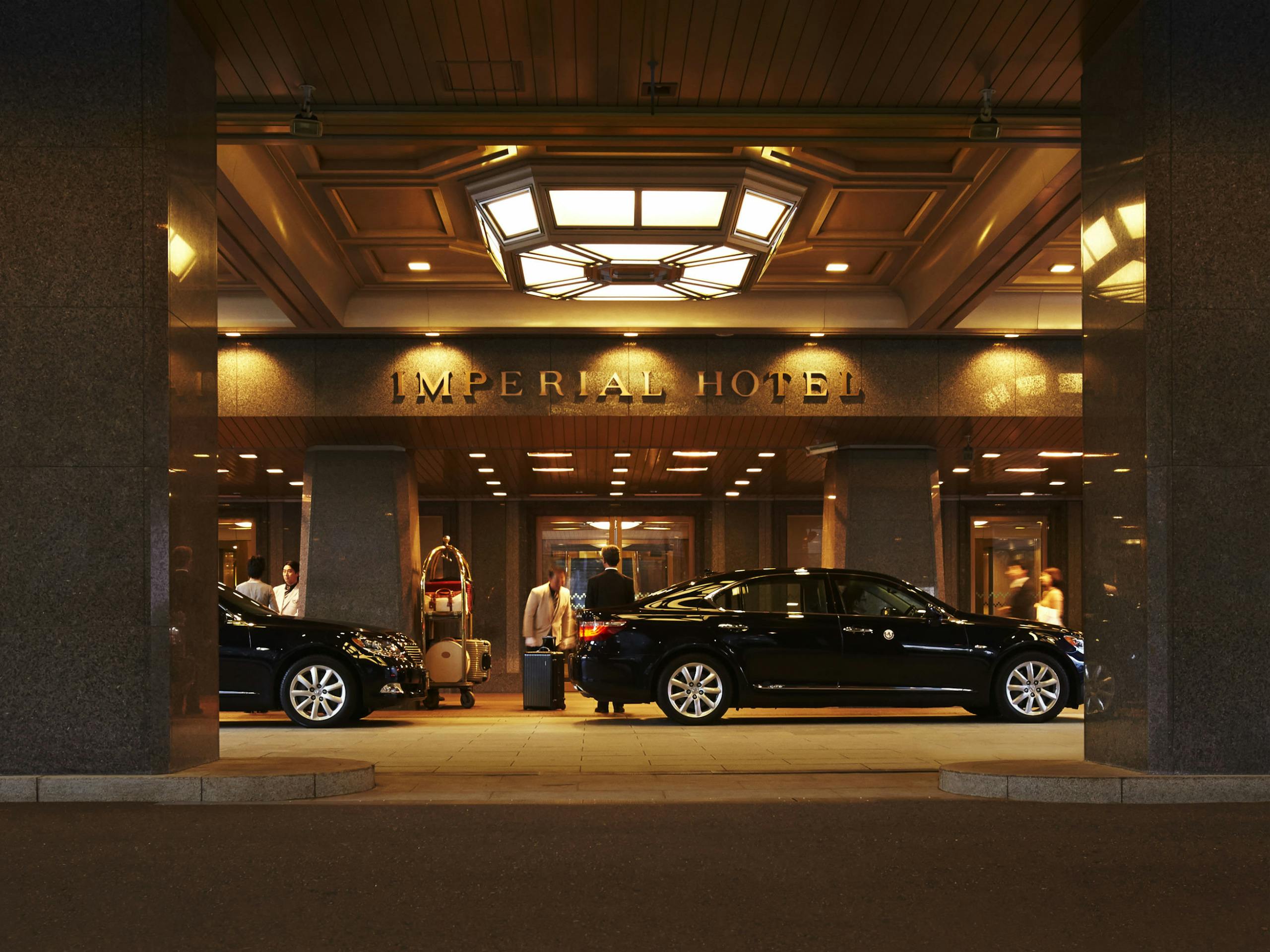
The official website publishes a “Sustainability Procurement Policy” based on UN guidelines and other frameworks, clearly stating consideration for the supply chain. The hotel has introduced electricity that effectively reduces CO2 emissions through the use of FIT non-fossil certificates. Additionally, banquet halls and some restaurants and bar lounges serve coffee from Rainforest Alliance certified farms.
Features:
This historic luxury hotel near the Imperial Palace and Hibiya Park is 5-10 minutes on foot from Ginza and Hibiya stations. It features eight restaurants centered on French cuisine, a spa, hot tubs, and saunas. Guest rooms include premium beds, flat-screen TVs, minibars, and free WiFi. The hotel is characterized by long-cultivated hospitality and a dignified atmosphere.
Price Range: High-end
Best For:
Those who appreciate consideration for the entire supply chain, including disclosure of procurement policies and adoption of certified products; guests who value history and prestige; travelers seeking a luxurious stay near the Imperial Palace
Points to Consider:
“CO2-free electricity” utilizes mechanisms such as FIT non-fossil certificates and is not necessarily 100% physically renewable energy.

Book here
Ikkyu Expedia
Yahoo!Travel
Rakuten Travel
Expedia
Yahoo!Travel
Rakuten Travel
9. The Capitol Hotel Tokyu
Location: Tameike-Sanno
Sustainability Initiatives:
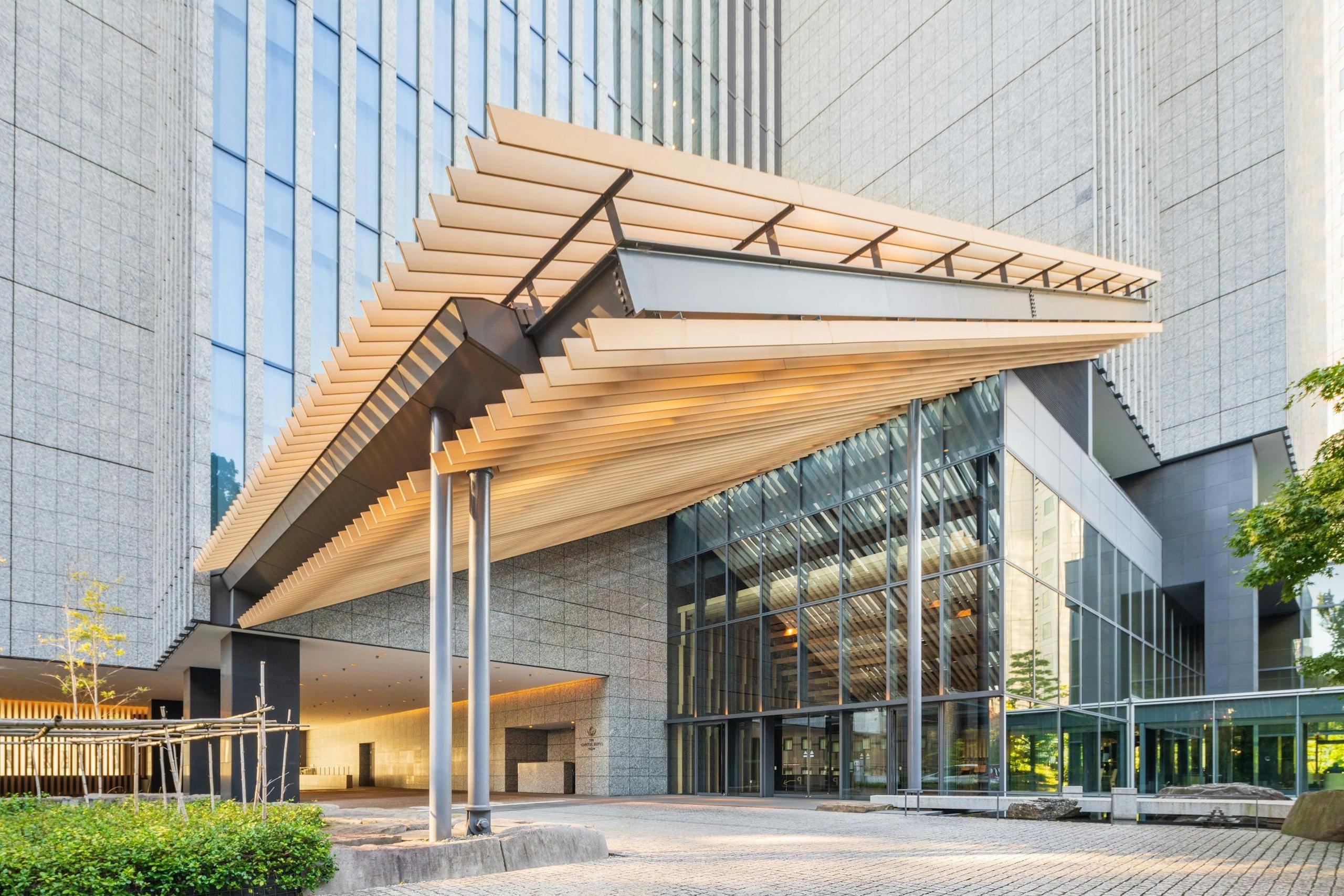
Member of the Sustainable Restaurant Association Japan, promoting sustainability through food (plant-based foods and farm-to-table). Guest room mineral water comes in label-free aluminum cans, which are collected within the hotel for resource circulation. The official website also introduces specific examples of resource circulation, such as creating insulated bags made from recycled PET bottle fabric.
Features:
Located near Tokyo’s Imperial Palace, within walking distance of the National Art Center and Tokyo Tower in a culturally rich area. The hotel offers extensive facilities including a full-service spa, indoor pool, three restaurants, and two bars. Some rooms include club lounge access, free WiFi, and garden views. Staff hospitality is particularly highly rated.
Price Range: High-end
Best For:
Those who want to learn about sustainability in restaurant operations and specific examples of resource circulation, travelers who wish to enjoy a quality stay while visiting cultural facilities near the Imperial Palace, guests who prioritize facilities such as spas and pools

Book here
Ikkyu/a> Expedia
Yahoo!Travel
Rakuten Travel
Expedia
Yahoo!Travel
Rakuten Travel
What to Know When Comparing Certifications and Initiatives
The Meaning of Third-Party Certification
Certifications such as “Sakura Quality An ESG Practice,” “Green Key,” and “Eco Mark” are not just self-declared by hotels but are awarded after review and on-site inspections by third-party organizations. This provides some assurance for the validity behind the word “sustainable.”
However, the absence of certification doesn’t mean a hotel lacks environmental consideration. Obtaining certification requires cost and time, so some facilities operate according to their own standards. Additionally, some small inns and guesthouses may not fit into certification systems but continue community-based initiatives.
Since many certifications require renewal, it’s important to verify acquisition dates and validity periods.
Perspectives on Amenity Elimination and Reduction
Eliminating or reducing disposable amenities is considered one plastic waste reduction measure recommended by many public agencies and NGOs. On the other hand, some guests may find it inconvenient when they “can’t bring their own” or “forgot” to pack these items.
Some facilities have switched to request-based or paid provision systems, so checking before booking can provide peace of mind.
Background of Numbers and Terminology
This article introduces information such as “recycling rate,” “CO2-free electricity,” and “fair trade” officially announced by each hotel, but each term has the following background:
Recycling Rate: The meaning of the number changes depending on the scope (all waste or specific categories), calculation method, and year. In Japan, thermal recycling (heat recovery during incineration) is often included, which differs from material recycling emphasized in Europe and other regions.
CO2-Free Electricity: Utilizes mechanisms such as FIT non-fossil certificates and is not necessarily 100% physically renewable energy.
Fair Trade/Certified Products: Meaning differs depending on which certification scheme is used and the scope of adoption.
When these details are not clearly stated on official websites, we recommend contacting the hotel directly if you have concerns.
The Meaning of Lack of Information Disclosure
The facilities introduced in this article are limited to those that publicly disclose certifications and initiatives on official websites or press releases. For facilities with insufficient information disclosure, we cannot determine whether they’re “not implementing initiatives” or “simply not publicizing them,” so they are not included.
Considering Other Options
Consider Your Travel Purpose
Reviewing your travel purposes and frequency and limiting travel to only truly necessary trips is one potential way to reduce environmental impacts such as CO2 emissions from transportation. However, since this relates to impacts on the tourism industry and local economies, there isn’t necessarily one single correct answer.
Contact Hotels Individually, Even Without Certification
Even when information isn’t available on official websites, directly asking hotels about their “amenity provision policies” or “environmental initiatives” can sometimes reveal their operational approach.
Choose Regional Small-Scale Accommodations
Rather than large chains, choosing small inns or guesthouses rooted in local communities may allow for stays that emphasize contribution to the local economy and engagement with the community.
Final Thoughts
As shown in the examples introduced in this article, there are several hotels in Tokyo that have obtained third-party certifications or officially publish their environmental consideration and social contribution initiatives.
No hotel is perfect—each has areas of strength and aspects that haven’t yet been disclosed.
Which hotel you should choose depends on “what matters most to you”—whether that’s certification status, amenity policies, community engagement, price range, location, or transparency of information disclosure.
I hope this article serves as one resource for your own decision-making.