
The holiday season arrives with its familiar flurry—gift lists growing longer, decoration displays becoming more elaborate, and calendars filling with commitments. For parents, the pressure to create picture-perfect moments can transform what should be joyful into something exhausting. But here’s a gentle reminder: your children don’t need perfection. What they’ll remember years from now isn’t whether you had the right color scheme or the trendiest toys—it’s how they felt, who they were with, and the warmth of being together.
This year, consider shifting your focus from extravagance to intention. A sustainable Christmas isn’t about deprivation or following strict rules. It’s about creating space for what truly matters: connection, creativity, and memories that outlast any store-bought item. The good news? You don’t need to overhaul everything at once. Small, thoughtful changes can transform your celebration into something more meaningful—for your family and for the planet.
Redefining What “Special” Really Means
We’ve become conditioned to equate celebration with consumption. Scroll through social media in December, and you’ll see elaborate table settings, mountains of wrapped packages, and perfectly styled trees. It’s easy to feel like you’re falling short if your celebration looks different.
But sustainable living invites us to question these assumptions. Does richness really come from abundance of things, or from abundance of presence? When we choose experiences over excess, we’re not sacrificing—we’re prioritizing what research consistently shows matters most to human wellbeing: meaningful relationships and shared experiences.
For children especially, the magic of Christmas lives in anticipation, participation, and togetherness. The cookies you bake together, messy though they may be, become more memorable than any store-bought dessert. The ornaments they craft from cardboard and yarn hold more meaning than pristine purchased decorations. This isn’t about making do with less—it’s about recognizing that “more” has been pointing us in the wrong direction all along.
Creating Decorations That Tell Your Story
Before heading to the store for new decorations, take an inventory walk through your home. You likely have more than you realize. That basket of pinecones from last autumn’s nature walk? Brush them with a bit of paint or leave them natural and tie them with twine. Glass jars become candleholders. Fabric scraps transform into garlands. Branches collected outdoors arrange beautifully in vases with simple ribbon accents.
The process of creating decorations together becomes part of your celebration. Children don’t notice if ornaments are perfectly symmetrical—they beam with pride seeing their own creations displayed. These imperfect, handmade pieces carry stories. Years later, when you unpack them, you’ll remember the rainy afternoon spent crafting, the concentration on your child’s face, the laughter when glitter ended up everywhere.
Consider decorations with longevity in mind. Natural materials—wood, fabric, paper—break down harmlessly when their time comes, unlike plastic that persists for centuries. Choose neutral tones and timeless designs that work beyond a single season. A simple garland of dried oranges and cinnamon sticks brings fragrance and beauty to your space whether it’s December or February.
If you’ve always dreamed of a Christmas tree but worry about waste, explore alternatives. A potted evergreen can live on your balcony year-round, brought inside for the holidays. Some communities offer tree rental programs. Or embrace the non-traditional: a branch arrangement, a wall hanging crafted from natural materials, or even a collection of plants dressed with lights and ornaments.
Rethinking the Holiday Table
Holiday meals often bring stress around both preparation and excess. We imagine we need elaborate, restaurant-worthy spreads, then face refrigerators full of untouched food the next day. But family favorites—even simple ones—create more genuine joy than dishes made solely for appearance.
Planning prevents waste. Before shopping, list what you’ll actually prepare and calculate realistic portions. Leftover ingredients intentionally become next-day meals rather than forgotten containers pushed to the back of the refrigerator. In fact, these “remix meals” can become their own tradition—a cozy way to extend the holiday feeling.
Involving children in meal preparation transforms cooking from a chore into connection. Even toddlers can tear lettuce or arrange vegetables. Older children measure, stir, and eventually cook simple dishes. The pride children feel contributing to the meal teaches them about food’s value and the care involved in feeding people you love.
Remember: special doesn’t require complicated. Sometimes the most memorable meals are familiar favorites presented with a bit of extra care—candles on the table, a nicer tablecloth, everyone’s participation in setting up. The ritual matters more than the menu.
Gifts That Go Beyond the Wrapping Paper
Gift-giving poses one of the biggest challenges for anyone pursuing a more sustainable lifestyle. Cultural expectations run deep, and we genuinely want to delight the people we love. But there’s a growing recognition that the best gifts often aren’t things at all.
Consider experience-based giving. Create homemade “tickets” for special time together—a movie afternoon, a trip to somewhere your child has mentioned wanting to visit, a parent-child workshop. These become anticipated events rather than objects that clutter drawers within weeks.
Handmade gifts from the heart carry unique power. A photo album documenting the year, a letter to your child about their growth and your hopes for them, a story you’ve written with them as the hero—these cost little financially but become treasured keepsakes. As a parent, watching your child read a heartfelt letter about how much they mean to you creates a moment no purchased item can match.
If you’re part of a friend group where children exchange gifts, propose a toy swap party. Everyone brings gently used items their children have outgrown. Kids enjoy “new to them” toys, parents declutter responsibly, and nothing goes to waste. It’s surprisingly fun and removes the pressure of purchasing.
When you do buy new items, choose with intention. Will this last as your child grows? Is it made to be repaired rather than replaced? Does it encourage open-ended play or skill development rather than passive consumption? Quality, durable items might cost more initially but prove more economical and sustainable over time.
Related article: Skipping Christmas Gifts: A Sustainable Approach to the Holidays That’s Better for Your Wallet, Mind, and Planet
Building Traditions of Reflection
Perhaps the most valuable shift toward a meaningful Christmas is building in time for reflection. After dinner or before bed, gather as a family and talk about the day. What brought joy? What felt special? These simple conversations help children process their experiences and identify what happiness actually looks like for them.
You might try a “gratitude share” where each person names three things they appreciated that day. This practice—casual though it is—helps children develop emotional vocabulary and recognize that happiness comes from moments and connections, not possessions and comparison.
Questions like “What made you smile today?” or “When did you feel happiest?” guide children toward defining fulfillment on their own terms rather than external metrics. In a culture that constantly suggests more is better, teaching children to recognize and name what brings them genuine contentment is a profound gift.
Your Christmas, Your Way
There’s no competition for who celebrates “best” or most sustainably. Every family’s circumstances, values, and joys differ. What matters is that your celebration aligns with what you actually care about rather than external expectations.
A sustainable Christmas isn’t about following rules or achieving some eco-perfect ideal. It’s about intention: noticing where consumption has replaced connection, where stress has overshadowed joy, where comparison has dimmed gratitude. It’s about small redirections that make space for what you’ll actually remember.
Start wherever feels natural. Maybe this year you make decorations instead of buying them. Maybe you focus on experience gifts. Maybe you simply slow down enough to be present. Any of these shifts matters.
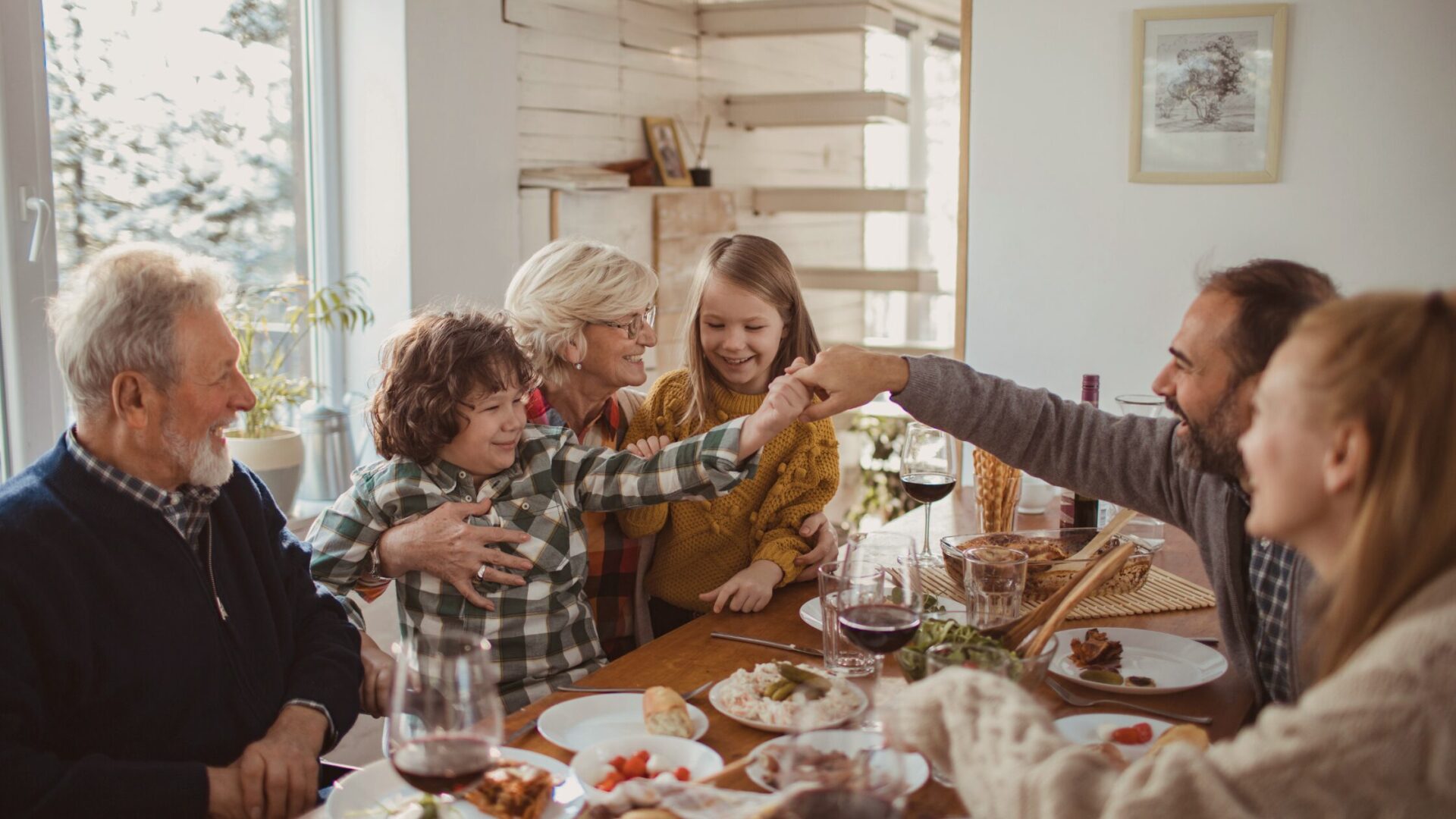
Your children won’t remember whether you had the trendiest decorations or the longest gift list. They’ll remember how it felt to be together. They’ll carry forward the values you demonstrated through your choices. They’ll recall the warmth, the laughter, the feeling of being seen and cherished.
That’s the real magic—and it’s been there all along, waiting underneath the wrapping paper.