
If your Japan itinerary is starting to feel like a checklist — temples, ramen, teamLab, repeat — nohaku might be worth your attention.
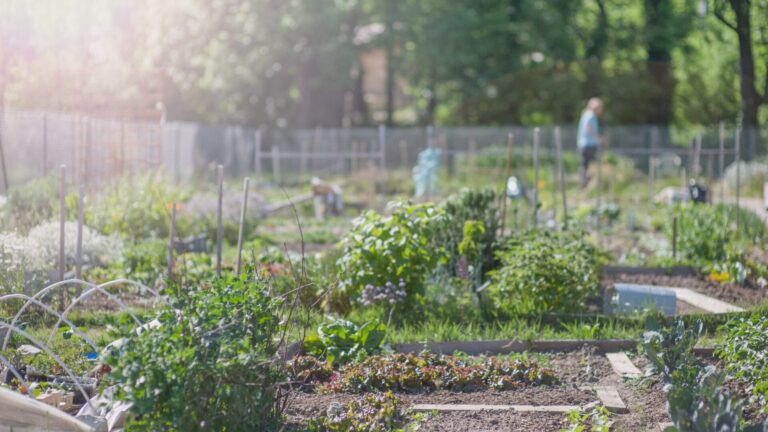
Nohaku (農泊) is Japan’s term for rural farm stays: overnight experiences where you sleep in agricultural communities and take part in actual farming work. It’s officially defined by Japan’s Ministry of Agriculture, Forestry and Fisheries as “a rural tourism style in which travelers stay in farming, mountain, or fishing villages and enjoy local food and activities rooted in the region.” That framing reflects the government-promoted ideal of nohaku; individual properties may vary in how closely they follow it.
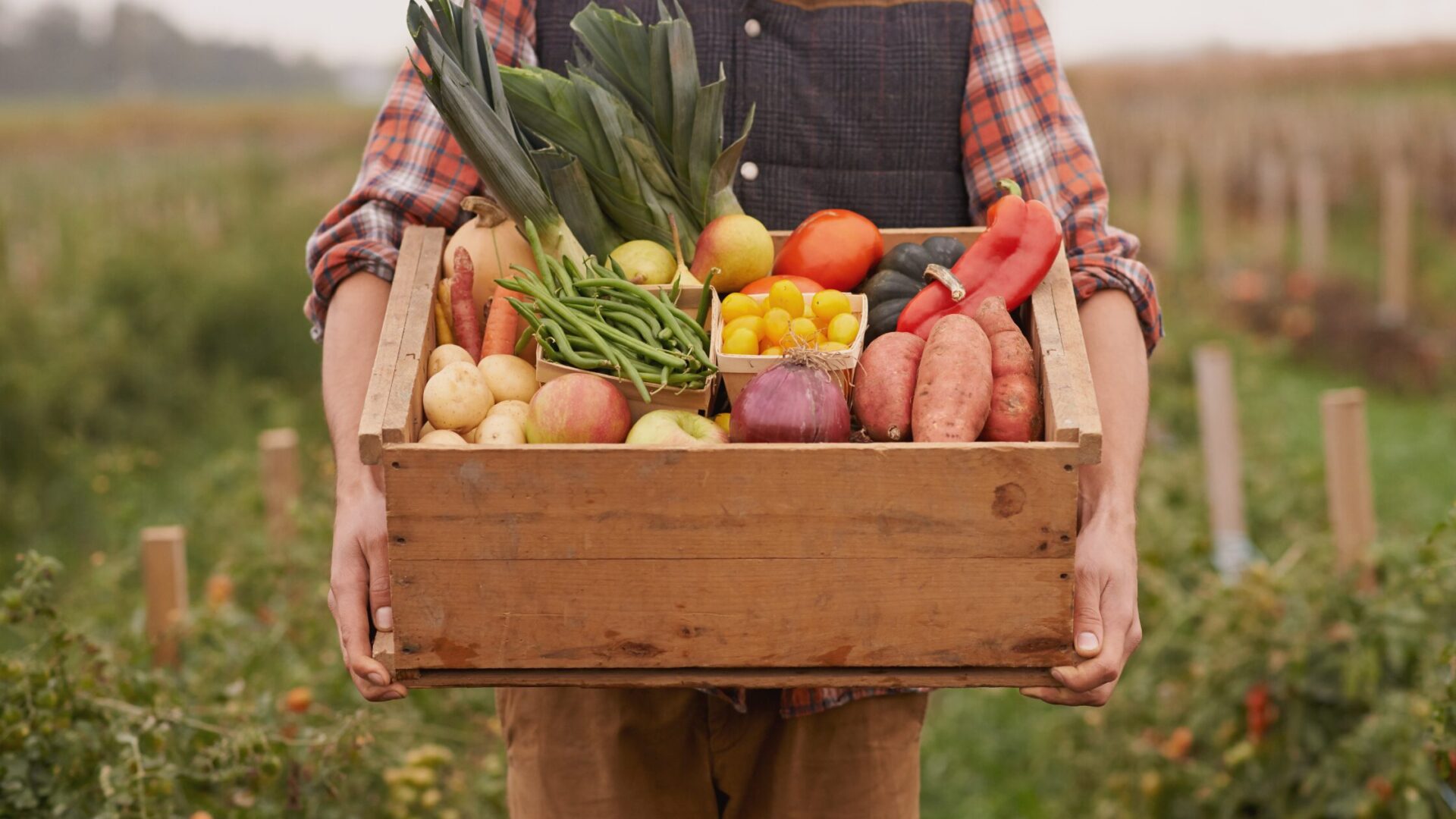
In practice, that means getting your hands in the soil, harvesting vegetables, planting rice, or pressing soy sauce alongside the people who actually live there — not just watching a demonstration.
This guide covers four verified options within reach of Tokyo, selected based on publicly available information from each property’s official website. We applied four criteria: evidence of local economic circulation, environmental practices with stated grounds, cultural continuity, and transparency about what they do and don’t offer.
No inflated claims. No guesswork. Just what we could confirm.
What Is Nohaku?
Nohaku is not glamping. It’s not a resort with a vegetable garden out back.
The term refers specifically to stays in rural agricultural communities where the farming is real, the hosts are actual farmers, and the experience is tied to the actual growing season. Japan’s government has promoted nohaku since the mid-2000s as a way to sustain rural communities economically while giving urban residents — and international visitors — direct contact with food production and traditional rural life.
The experience varies widely by property. Some offer a single harvesting activity as an add-on; others involve you in a full seasonal cycle — planting, tending, harvesting, processing. The four properties in this guide lean toward the latter.
Quick facts about nohaku:
- The word combines nou (農, farming/agriculture) and haku (泊, overnight stay)
- Properties are typically small-scale and family-run
- Availability of specific farm activities depends on season and weather
- Most properties require advance reservations, often directly with the host
How We Selected These Properties
We reviewed each property’s official website directly and cross-referenced with Japanese government tourism databases and regional tourism boards.
Our four criteria — all based on publicly confirmed information only:
- Local economic circulation — Does the property source food locally? Are regional producers or craftspeople involved?
- Environmental transparency — When a property claims organic or eco practices, is there a stated basis for that claim?
- Cultural continuity — Is the farming experience connected to the actual history and life of that place, or is it staged for visitors?
- Honest communication — Does the property disclose limitations alongside strengths?
Properties not featured here aren’t necessarily doing less — they may simply have less information publicly available.
The 4 Farm Stays Near Tokyo
01|Iwai Farm Guesthouse
Mutsuzawa, Chiba Prefecture
| Distance from Tokyo | Approx. 90 min by car |
| Accommodation type | Guesthouse + camping |
| Standout practice | Organic rice farming; Boso Peninsula wild game use |
| Best for | Families, school groups, first-time farm stay visitors |
| Languages | Japanese, English |
About the property
Iwai Farm sits in the satoyama — Japan’s traditional mixed landscape of farmland, forest, and human settlement — of the Boso Peninsula in Chiba. The farm grows rice and operates a guesthouse that accepts up to one group at a time, keeping the experience personal rather than tour-like.
What’s been confirmed
The farm’s official website states: “We grow rice without pesticides, using organic fertilizer and hand labor.” This is one of the few properties in our research where organic farming practices are explicitly stated on the official site, not just implied.
The experience program, listed on the official website, includes rice planting, rice harvesting, threshing, vegetable picking, wild boar (Boso Peninsula game) cooking, mochi (rice cake) pounding, and firewood splitting — each tied to a specific season. The use of local wild boar as a food ingredient connects to a real regional challenge: deer and boar overpopulation in Japan’s depopulating rural areas. Using game as a food resource is one way farms address that.
An English-language page and a dedicated school trip page are available on the official site, suggesting established experience hosting international and institutional visitors.
Worth knowing
Farm activity availability depends on season. Confirm which activities are possible during your planned dates before booking.
Book here
02|Boku no Sato (農家民宿 穆の里)
Kamogawa, Chiba Prefecture
| Distance from Tokyo | Approx. 90–120 min by car |
| Accommodation type | Farmhouse inn, one group at a time |
| Standout practice | Organic farming; fully traceable food sourcing |
| Best for | Individuals, couples, small families seeking quiet immersion |
| Languages | Japanese, English, Chinese, some Spanish |
About the property
A couple who relocated from Tokyo to the mountains of Kamogawa over 30 years ago runs this farm inn. They grow their own rice and vegetables without pesticides using organic methods — both confirmed on the official website. Boku no Sato accepts only one group at a time, which means the experience is effectively a private stay with the farming family.
What’s been confirmed
The official website states the following about food sourcing: rice is from their own farm; meat and dairy come from Seikatsu Club Co-op (a Japanese consumer cooperative known for traceable procurement); vegetables are from their own fields, locally sourced in Kamogawa, or domestic. This level of supply chain transparency is uncommon for a small rural inn.
The farming calendar, listed on the site, spans all four seasons: rice planting and plum-drying in spring; weeding and summer vegetable harvest; rice harvesting and chestnut picking in fall; shiitake inoculation and firewood splitting in winter. Natural dye (kusa-kizome) workshops using plant materials are also available year-round.
The one-group policy limits visitor numbers, which also limits pressure on the surrounding community.
Worth knowing
The official website has an older design that may look outdated. Whether the property operates year-round or has seasonal closures is not confirmed on the official site itself — contact the property directly to check availability for your planned dates, especially if you’re timing your visit around a specific seasonal activity.
Book here
03|Hanazonosou (花園創)
Otawara, Tochigi Prefecture
| Distance from Tokyo | Approx. 2–3 hours by car |
| Accommodation type | Renovated historic storehouse (kura) |
| Standout practice | Long-running farming family; living agricultural heritage |
| Best for | Travelers interested in Japanese rural history and cultural depth |
| Languages | Japanese (English availability not confirmed on official site) |
About the property
The Masubuchi family has farmed in the Hanazono area of Otawara for many generations — locally described as a long-running farming lineage. Their guesthouse is a renovated Meiji-era kura — a traditional Japanese storehouse — on the family farmland. The stated purpose, from the official About page: “to pass on the spirit, history, and culture of Hanazono to the next generation.”
What’s been confirmed
The area is known locally as a natural spring village, with water from the Nasu mountain range supplying the agricultural irrigation system. Regional environmental and tourism databases note that the nearby area includes habitat associated with the Miyako Bitterling, a freshwater fish protected under Japanese law — this detail is not stated on the property’s official site itself, but appears in local environmental records.
The farm experience program, listed on the official website, includes rice cultivation and sake rice and brewing-related activities, in addition to general seasonal farm work. Regional tourism sources also note that guests can harvest chemical-free vegetables from the farm and use them in meals alongside home-grown rice.
The combination of a continuously farmed landscape, a Meiji-era building still in use, and a stated commitment to cultural transmission gives this property a kind of layered context that’s harder to find at newer rural tourism ventures.
Worth knowing
Otawara is farther from Tokyo than the other properties in this guide — plan for 2 to 3 hours by car. Some regional sources describe it as “near Tokyo,” but that framing is optimistic. For travelers without a car, access requires planning. Confirm program details and pricing directly with the property before booking.
Book here
04|Fujino Club (農業法人 藤野倶楽部)
Sagamihara (former Fujino area), Kanagawa Prefecture
| Distance from Tokyo | Approx. 60 min by train from Shinjuku to Fujino Station, plus local bus or taxi |
| Accommodation type | Traditional farmhouse (kominka) rental |
| Standout practice | Farm-to-table restaurant; membership farm; train-accessible |
| Best for | Travelers looking for a lower-commitment entry point; day trip + overnight combinations |
| Languages | Japanese (English availability not confirmed on official site) |
About the property
Fujino Club is an agricultural corporation — a formal legal designation in Japan for entities that farm commercially. The complex includes a working farm growing vegetables and tea, a farm-to-table restaurant called Hyakusho no Daidokoro (“The Peasant’s Kitchen”), a membership-based rental farm (Anshin Nouen), an organic food shop, a kominka (traditional farmhouse) guesthouse called Yuzu no Ie, a barbecue area, and tennis courts.
The Fujino area, now part of Sagamihara, has a long-standing reputation as a place where artists and farmers have coexisted — a characteristic that distinguishes it from more purely agricultural rural areas.
What’s been confirmed
The farm grows its own vegetables and tea and supplies them directly to the on-site restaurant — confirmed on the official website and in government tourism databases, where the property is listed for harvest experiences and farm-to-table dining. An organic food retail corner is also confirmed on the official site.
Worth knowing
Whether the kominka accommodation and farm activities are available as a combined package is not clearly stated on the official website — lodging and experience pages are listed separately with no explicit nohaku-style bundle described. If you’re planning an overnight farm stay specifically, contact the property to confirm how the experience is structured. The complex works well as a starting point: visit for a meal or a day harvest experience first, then decide whether to book overnight.
Book here
 じゃらん
じゃらん
What to Know Before You Book
Farm activities are seasonal. Rice planting happens in spring. Rice harvesting happens in fall. Blueberries and summer vegetables have their own windows. If you have a specific activity in mind, check with the property before booking — not after.
Most properties require direct contact. These are small, family-run operations. Many don’t have real-time online booking systems. Email or phone contact is often the only way to confirm availability and reserve.
Language support varies. Boku no Sato and Iwai Farm both have confirmed English-language capacity. For Hanazonosou and Fujino Club, English support is not confirmed on official sources — plan accordingly or use a translation app.
Travel times are approximations. Driving times assume reasonable traffic conditions and may vary. For Fujino Club, the train journey from Shinjuku to Fujino Station takes roughly 60 minutes, but reaching the property from the station requires a local bus or taxi. For properties in Chiba and Tochigi, renting a car gives you significantly more flexibility.
Weather affects everything. Outdoor farm work gets canceled in heavy rain or extreme heat. Build flexibility into your schedule.
Quick Comparison
| Property | Prefecture | Travel time from Tokyo | Organic farming confirmed | One-group policy | English support confirmed |
|---|---|---|---|---|---|
| Iwai Farm Guesthouse | Chiba | ~90 min by car | ✓ | ✓ | ✓ |
| Boku no Sato | Chiba | ~90–120 min by car | ✓ | ✓ | ✓ |
| Hanazonosou | Tochigi | ~2–3 hrs by car | Not stated | Not stated | Not confirmed |
| Fujino Club | Kanagawa | ~60 min by train + local transport | Not stated | ✗ | Not confirmed |
Final Thoughts
Nohaku doesn’t fit neatly into the usual Japan travel categories. It’s not a ryokan, not a hostel, not a resort. It’s closer to staying with a farming family — which means the experience is less curated and more contingent on season, weather, and the rhythms of actual agricultural work.
That’s also what makes it different from most things on a Japan itinerary.
If you want to understand where Japanese food actually comes from, or see what rural Japan looks like beyond train windows, or simply spend two days working outside with people who have farmed the same land for generations — nohaku is a reasonable way to do that.
The four properties in this guide aren’t the only options, but they’re the ones where we could verify that the farming is real, the practices are stated honestly, and the experience is connected to something beyond tourism.
Information in this article is based on official property websites and Japanese public tourism databases, confirmed as of April 2026. Travel times are approximations and may vary by departure point, traffic, and local transport options. Prices, program availability, and operating status may change. Contact each property directly for current information before booking.