
Scroll through social media and you’ll find endless images of pristine, nearly empty rooms accompanied by promises that “reducing your possessions will change your life.” The minimalist movement has captured imaginations worldwide, offering an antidote to our cluttered, consumption-driven culture. But beneath those aesthetically pleasing photos lies a more complex reality.
If you’ve ever wondered whether minimalism is right for you—or worried you might regret decluttering too aggressively—you’re asking the right questions. The truth is that simple living isn’t a one-size-fits-all solution, and the “how much” matters far less than the “why.”
This article explores both the genuine benefits and the real drawbacks of minimalist living, helping you discover an approach that actually fits your life rather than someone else’s Instagram feed.
What Simple Living Actually Means (And What It Doesn’t)
Let’s clear up a fundamental misconception: simple living isn’t about achieving some arbitrary minimum number of possessions. It’s not about deprivation, stark white walls, or living out of a backpack.
At its core, simple living means owning only what aligns with your values and serves your life—no more, no less. It’s a conscious choice to focus on what genuinely matters to you: comfort, meaningful time, personal growth, or environmental responsibility. The possessions you keep aren’t excessive baggage; they’re tools and treasures that support the life you want to live.
Think of it this way: simple living isn’t about reclaiming your life from your possessions—it’s about reclaiming your authentic self. The goal is freedom of choice, not a new set of restrictive rules.
The Visible and Invisible Transformations of Owning Less
When you begin reducing possessions, changes emerge in two distinct layers: the obvious physical shifts and the deeper psychological transformations. Interestingly, the latter often proves more significant.
Physical Changes You’ll Notice Immediately
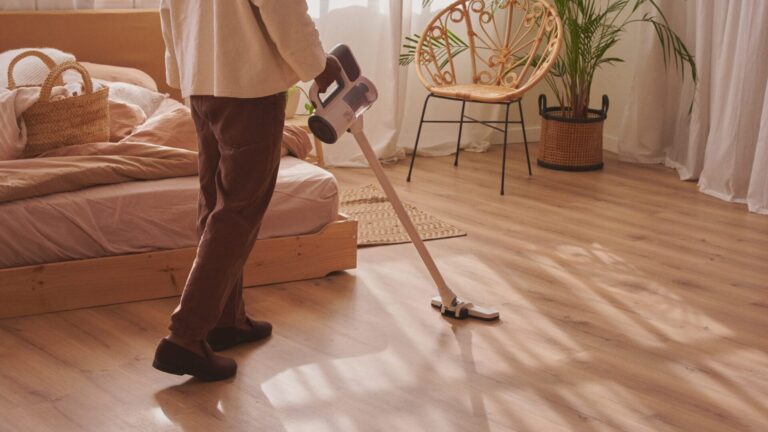
The tangible benefits are straightforward and immediate. Your living space becomes noticeably tidier, and cleaning transforms from a multi-hour ordeal into a quick, manageable task. With fewer items crowding surfaces and floors, vacuuming and dusting no longer require moving obstacles out of the way.
Management costs plummet. Those frustrating moments of searching for misplaced items—”Where did I put my keys?”—dramatically decrease. Decision paralysis while getting dressed or choosing which tool to use diminishes. Your daily routines become smoother, with fewer friction points interrupting your flow.
The Mental Shifts That Matter More
The less visible changes carry greater weight. Decision fatigue, that exhausting mental drain from making countless small choices, noticeably decreases when you own less. Morning wardrobe decisions take seconds instead of minutes. Shopping trips become more purposeful as you develop clearer criteria for what deserves space in your life.
Most significantly, your value system crystallizes. The process of asking “Why did I keep this?” and “Why am I letting that go?” naturally reveals what you truly want to cherish. This clarity extends beyond possessions into how you spend time, energy, and attention.
Why People Choose Minimalism: Four Proven Benefits
The advantages of simple living center less on savings and more on creating margin—breathing room in your schedule, budget, and mental space.
Reclaiming Your Time From Stuff Management
Fewer possessions mean dramatically less time spent searching, organizing, maintaining, and deciding between options. Cleaning and tidying routines shorten considerably, freeing up hours each week that accumulate into entire days each year.
This reclaimed time—margin time—becomes available for activities that genuinely enrich your life: pursuing hobbies, connecting with loved ones, learning new skills, or simply resting without guilt. For many people practicing simple living, this temporal freedom represents the single greatest benefit.
Smarter Spending and Financial Freedom
Conscious minimalism transforms shopping behavior. Impulse purchases decline sharply as you develop the habit of asking, “Do I genuinely need this? Will I use it long-term?” rather than justifying purchases with “It’s on sale!” or “I might need it someday.”
The financial impact compounds over time. Money previously spent on unnecessary items becomes available for building savings, paying down debt, investing in experiences, or supporting causes you care about. This shift toward intentional spending creates long-term financial stability and security.
Living Lighter on the Planet
A lifestyle focused on using fewer things longer and avoiding unnecessary consumption directly reduces resource extraction and waste generation. Every item not purchased represents materials not mined, energy not expended in manufacturing, and waste not sent to landfills.
This environmental benefit naturally aligns with broader sustainable living practices. By consuming less and choosing quality items designed for longevity, minimalists reduce their ecological footprint. It’s a practical, daily way to express environmental values through action rather than just intention.
The Surprising Mental Health Advantages
Excessive possessions and information overload create unconscious stress. Research suggests that organized, uncluttered environments contribute to psychological peace and improved mental clarity.
Beyond the environmental benefits, the process of thoughtfully evaluating what to keep and release clarifies personal values. This clarity makes decision-making easier across all life areas. Many people also find that narrowing their social commitments to relationships they can genuinely nurture reduces emotional drain and increases satisfaction.
The Uncomfortable Truth: When Minimalism Backfires
Honesty requires acknowledging that minimalism doesn’t suit everyone, and even when it does, certain approaches create new problems. Understanding these potential pitfalls helps you avoid them.
The Inconvenience of Taking It Too Far
Aggressive decluttering can create genuine daily inconveniences. Reduce too much and you’ll struggle when friends unexpectedly visit, weather changes require different clothing, or projects need specific tools you no longer own.
The “rebuy” cycle wastes both money and resources. If you eliminate clothes or kitchen items too drastically, you might find yourself doing laundry constantly, improvising frustratingly during meal prep, or eventually repurchasing items you actually needed. Extreme minimalism can paradoxically increase burden rather than reducing it.
The Perfectionism Trap
Pursuing minimalism too rigidly often creates a new form of self-judgment. The mindset that “less always equals better” leads to harmful internal monologues: “I still own too much,” “I’m failing at minimalism,” or “I should be able to let go of this.”
Social media comparison amplifies this problem. Seeing carefully curated photos of others’ minimalist spaces can trigger feelings of inadequacy: “I’m not a real minimalist yet.” This comparison game undermines self-esteem and transforms a potentially liberating practice into another source of stress and self-criticism.
When Your Simple Life Clashes With Others
Living with family or roommates introduces significant complications. One person’s enthusiasm for decluttering can feel like judgment or coercion to others. When you want to reduce possessions but family members cherish items with sentimental value or enjoy hobby collections, conflicts easily emerge.
Reducing someone else’s belongings without permission damages trust and relationships. The solution requires patience and boundaries: start with your own possessions and shared spaces, communicate openly about your motivations, and respect that others may not share your minimalist values—and that’s okay.
Finding Your Balance: Questions to Ask Before Decluttering
Avoiding regret with simple living depends more on understanding why you’re reducing than achieving any specific number of possessions.
Three Essential Perspectives for Smart Decluttering
Before letting go of something, consider these three questions:
When did you last use it? If an item hasn’t been used in over a year, future use is statistically unlikely. This practical test cuts through “just in case” justifications that keep clutter accumulating.
Does it support a comfortable space? Some items create cramped, cluttered feelings, while others provide genuine peace of mind. If keeping something brings comfort rather than stress, there’s no reason to force its departure.
Does it align with current values? Judge based on “Is this necessary for my life now?” rather than hypothetical future scenarios. Your values and life stage determine what deserves space, not abstract minimalist ideals.
Choosing Quality Over Quantity
The goal isn’t achieving a specific item count—it’s improving quality of life. This philosophy prioritizes selecting durable, well-made items you’ll use for years rather than accumulating cheap, disposable alternatives.
Instead of setting numerical targets for reduction, ask whether each possession makes your life easier or more comfortable. This quality-focused approach ensures your simplified space genuinely serves you rather than conforming to someone else’s standard.
Your Minimalism Doesn’t Need to Look Like Anyone Else’s
There’s no universal template for successful simple living, and your approach will evolve as your life changes. This flexibility is a feature, not a flaw.
Why the “Perfect Minimalist” Doesn’t Exist
You don’t need to adopt the label “minimalist” or meet anyone’s criteria for what that means. Your needs naturally shift with life circumstances: raising children, intense work periods, caring for aging parents, or diving deep into hobbies all require different possessions.
Comparing yourself to others’ minimalist journeys is counterproductive. What matters is crafting a simple life that feels right for your unique situation rather than conforming to external standards.
Creating Your Custom Approach
Consider separating areas where you minimize from areas where you keep what you love. Perhaps you maintain a small wardrobe but keep an extensive book collection. Maybe you own minimal kitchen gadgets but invest in quality art supplies. Items that fulfill your heart and support your passions don’t need forced reduction.
Another approach focuses on “not buying” rather than “reducing.” Carefully maintaining what you already own while avoiding new purchases is a valid and respectable form of simple living. There are many paths to intentional living—find yours.
Redefining What It Means to Live Richly
Simple living represents freedom of choice, not deprivation. This reframing changes everything.
Richness isn’t measured by possession count. True wealth comes from choosing based on “How do I want to live?” rather than “What should I have?” This value shift represents a new understanding of abundance.
When you own less, you can cherish each item more fully. With fewer options, you can focus on what genuinely matters. Many people discover that this selective approach to possessions creates a deeper, more satisfying sense of richness than acquisition ever did.
Your Next Steps Toward Intentional Living
A lifestyle with reduced possessions offers real benefits: reclaimed time, transformed spending habits, decreased mental noise, and reduced environmental impact. These advantages are genuine and significant.
However, drawbacks exist alongside benefits: potential inconvenience from excessive reduction, the risk of perfectionism and comparison, and possible conflicts with family members. These challenges deserve acknowledgment and planning.
The wisdom lies in choosing your path after understanding both sides. You don’t need to force yourself toward some idealized version of minimalism. Instead, discover “just the right amount of not having”—the balance that feels comfortable and sustainable for you.
Perfect minimalism doesn’t exist, and pursuing it misses the point. Take your time exploring what a rich life means to you, for you. That journey toward intentional, value-aligned living matters far more than any destination.